8 culinary tips from our grandmothers
Votes: 13
Maybe moms really do know best. But grandma has the final say, especially if you're in her kitchen.
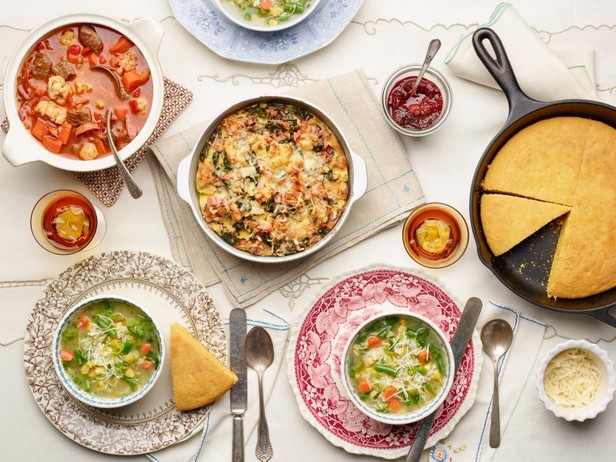
Cooking with love
You can learn a lot by cooking with your grandmother. While most grandmothers aren't professional chefs, they know how to make delicious food. The secret is to shop wisely, cook often, and use everything, even leftovers and scraps.
Save the crusts and trimmings
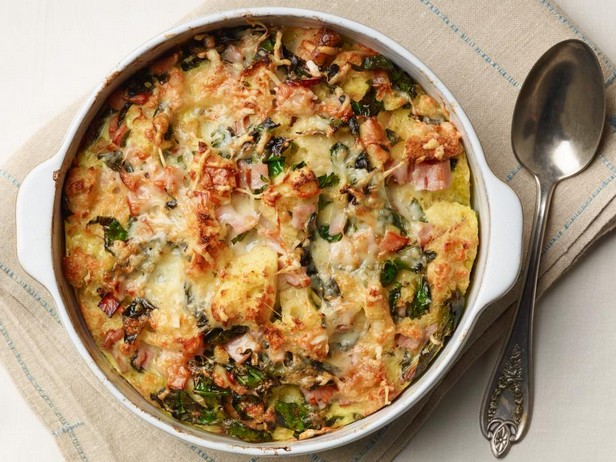
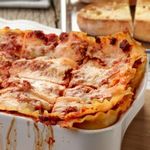
"Everything comes in handy around the house"—our grandmothers often say this and live by this principle themselves. They especially love saving tasty little things like Parmesan rinds, corn cobs, and onion trimmings to use in soups and stews. Similarly, a grandmother will find a use for leftover cheese and breathe new life into stale bread (or bagels or English muffins), creating a hearty and healthy starter.
Recipe: Grandma's casserole
Use overripe fruits
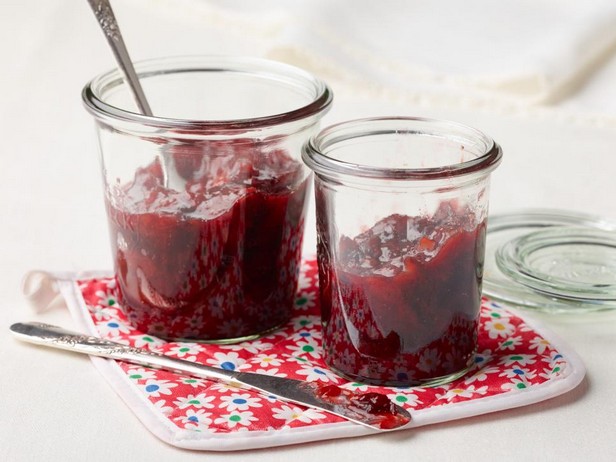
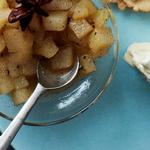
Overripe fruit, too soft to eat on its own, is worth its weight in gold to Grandma. She simply cuts off the darkened parts and makes a quick jam in a frying pan, using whatever fruit is on hand. No need to fuss with canning: this quick compote keeps in the refrigerator and is eaten much faster than its expiration date.
Recipe: Plum and almond jam in a frying pan
Add ingredients you have on hand
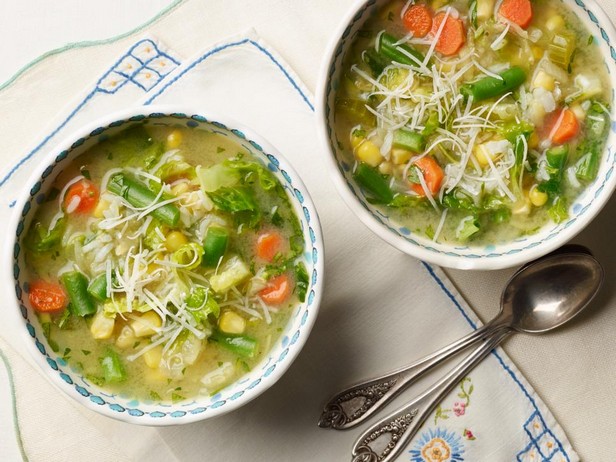
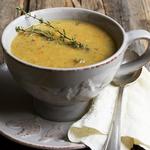
Grandmothers rarely follow recipes strictly. They rather improvise, based on the ingredients they have and what they need to use first. Soup is a classic example. By using a basic recipe (broth, aromatics, vegetables, starch or grain, plus quick-cooking greens), grandma leaves herself plenty of room for choice, ensuring every pot of soup is delicious and nothing is wasted.
Recipe: Soup from everything there is
Time is the secret ingredient
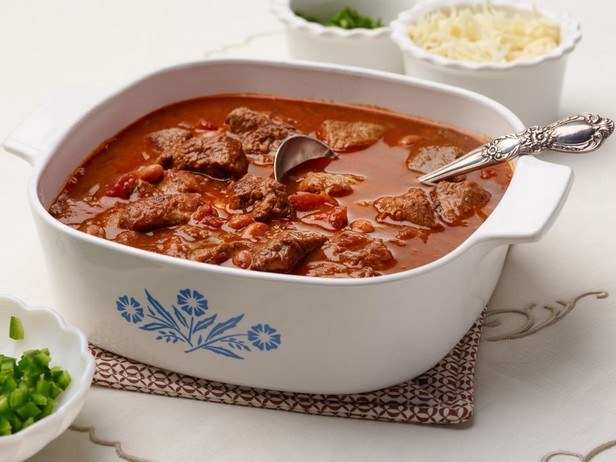
In Grandma's kitchen, the most expensive cuts of meat aren't always the most delicious. Grandma knows that with a little time and a little anticipation, even an ordinary dish can be transformed into something special. A tough cut of meat becomes tender and flavorful if cooked long, at a low temperature, and with plenty of seasoning. And some dishes, like chili, taste even better the next day.
Recipe: Traditional chili con carne
Buy products at a discount
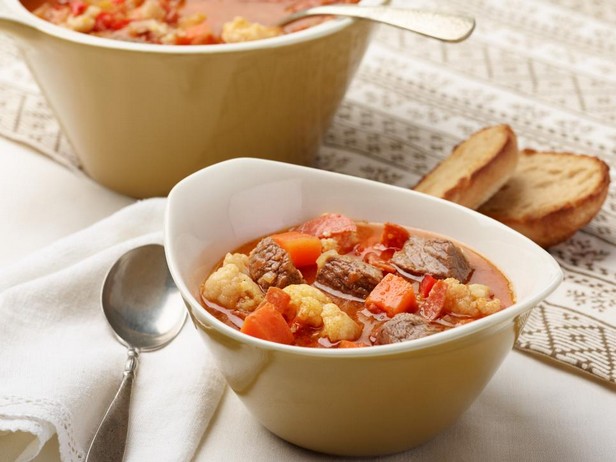
When going grocery shopping, Grandma rarely makes a shopping list beyond a few basic ingredients that are about to run out. Instead of planning a weekly menu in advance, she looks at what items are on sale and decides what to cook based on that. If beef and carrots are on sale, she'll make a roast or a stew. If shrimp are on sale at the store, she'll end up with shrimp scampi.
Recipe: Meat stew from what's available
Fat = taste
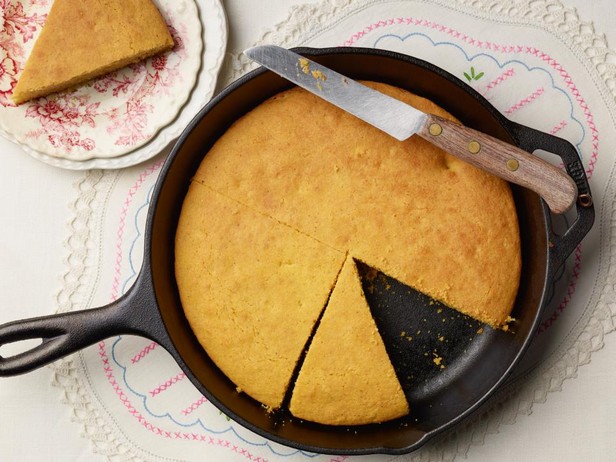
Grandma always keeps a small container of rendered lard in the refrigerator. It collects the cooled fat after frying bacon. She uses it sparingly, like a valuable seasoning, adding a spoonful to various dishes; the fat adds a rich flavor to beans, stews, and cornbread.
Recipe: Cornbread with bacon grease
The freezer is your friend
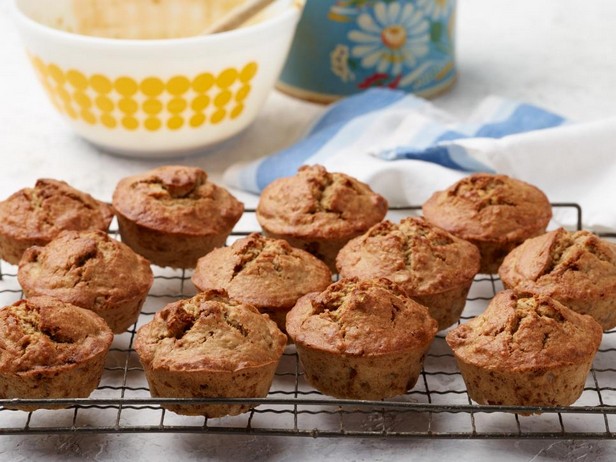
Grandma never wastes anything: she stores leftovers in the freezer for later use. For example, the bones from a roasted chicken—when she has enough, she can make broth out of them. And if she only has one overripe banana left, she'll peel it, slice it, and freeze it so she can bake banana bread later, when she has several.
Recipe: Banana muffins with walnuts
Cook in large batches at once
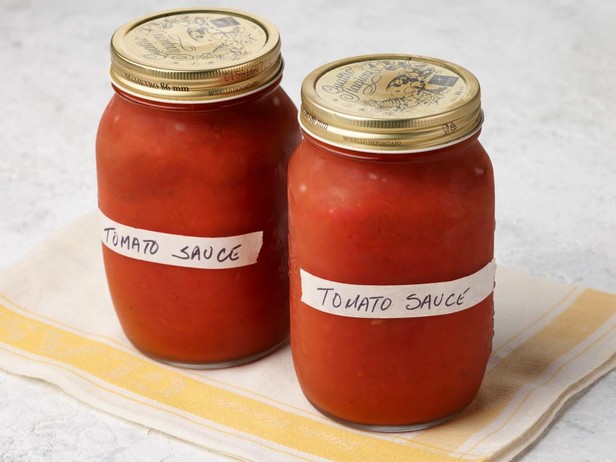
Grandma always says that making two pots of tomato sauce is no more difficult than making one. Buying ingredients in bulk is usually cheaper, and having extra in the freezer means there's always room for another guest at the table. Leftover pasta, rice, beans, or porridge will be the basis for quick meals throughout the week.
Recipe: A large serving of meatballs in red sauce
Categories:
Similar recipes