7 Tools for Making Pasta at Home
Fresh pasta is much more flavorful than the dried kind you buy at the store. Making it yourself is quite simple, though it does require some effort. In this article, we'll look at the 7 essential tools to help you make your own pasta.
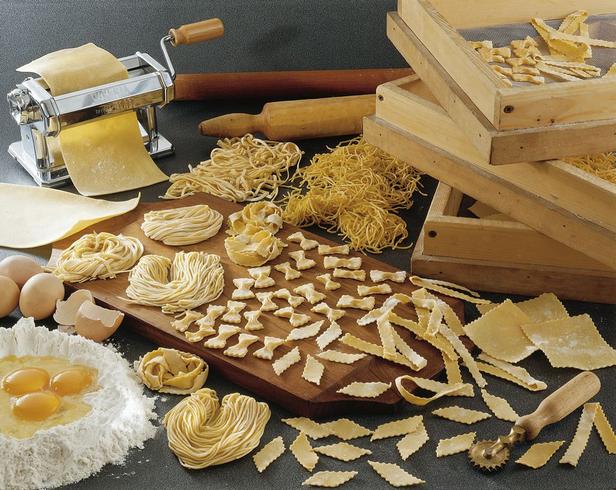
Fresh pasta is much more flavorful than the dried kind you buy at the store. Making it yourself is quite simple, though it does require some effort. In this article, we'll look at the 7 essential tools to help you make your own pasta.
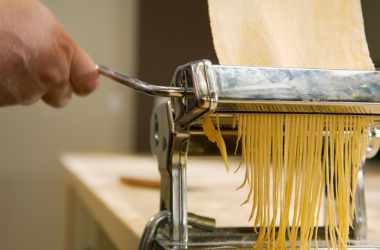
1. Pasta machine. This is a fairly inexpensive and useful device. It's designed for rolling out dough into a very thin layer. It allows you to make pasta of the desired shape, size, and thickness. The best are manual pasta machines made of stainless steel. They're durable, easy to operate, easy to clean, and look good. Electric models are also available. A pasta machine makes making pasta much easier. But that doesn't mean it's essential. You can roll out the dough with a regular rolling pin. However, there are machines that can make pasta of various shapes, such as spirals or hollow tubes.
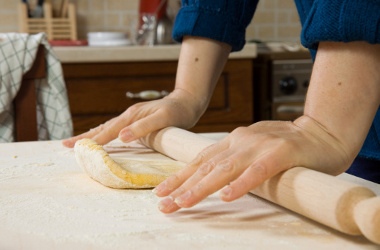
2. Rolling pin. If you can't afford a pasta machine, don't worry. A rolling pin is what you need! With just a little practice, you'll learn how to roll out pasta dough beautifully and gracefully. Rolling pins come in a variety of sizes and configurations. They can be with or without a handle. Handleless rolling pins are best for pasta. This will help you roll out the dough evenly and thinly. However, if you already have a rolling pin with a handle, there's no need to buy a new one. You can get the hang of rolling out the dough with this one. Incidentally, many people prefer to roll out pasta dough directly on the table rather than on a dedicated board, as this type of work requires a lot of space.
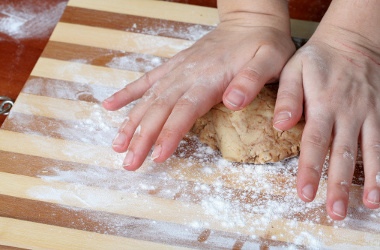
3. Cutting board. If you have a food processor or mixer, you can knead the dough in it. But if you don't, a cutting board will come in handy. You can mound the flour onto it, make a well in it, and place the eggs in it. Then knead the dough directly on the board. This depends on preference, though. As mentioned above, some people like to knead the dough directly on the counter. If you use a board, make sure it's large enough.
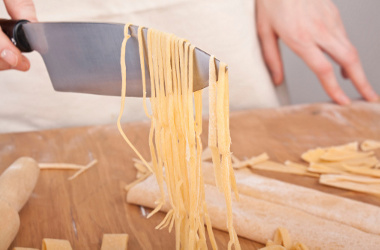
4. Knives. Now that the dough is rolled out thinly, you can cut it into the desired pasta shape. Most pasta machines come with cutting tools. However, if you don't have one, a sharp knife will come in handy. A knife is what you use to cut spaghetti. Use a good chef's knife with a comfortable handle. You can cut the dough into more than just very thin strips. You can also make wider strips, or even cut the dough into squares. If you're just learning how to work with pasta, stick to the simplest shapes.
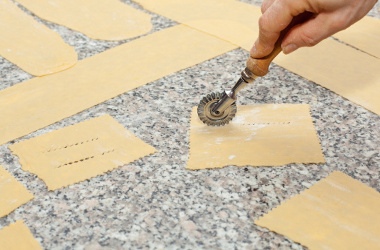
5. A special knife for cutting pasta. It looks like a rotating circle on a handle. This handy tool lets you easily cut pasta into various shapes with wavy edges. Butterfly-shaped pasta is especially effective. Double-bladed knives are sometimes available.
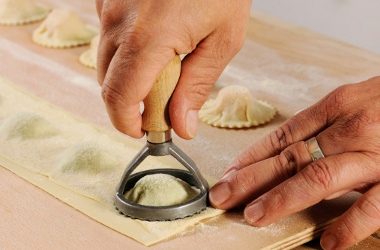
6. Ravioli cutter. It allows you to cut small ravioli-shaped pieces from a large piece of dough. If you love this dish, it's definitely worth investing in a knife. You can also buy a mold for this purpose. It can be square, heart-shaped, or round. Modern stores sell a variety of tools for making ravioli or dumplings, from rolling pins to cutting boards, which are ideal for preparing ravioli.
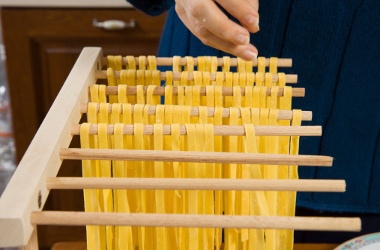
7. Dryer. Once you've cut the pasta dough or noodles into long strips, they should first be dried briefly. To do this, hang them on a special device similar to a drying rack. Noodles dry best when hung. Trying to dry them directly on a cutting board will result in a completely different outcome. This prevents air from circulating around the noodles, preventing them from drying properly. For large-scale pasta production, complete drying cabinets with varying numbers of racks are now available.
If you've made pasta at home once and weren't happy with the results, that's okay. Keep practicing! Homemade pasta cooks much faster than store-bought, and it's much more delicious!
1. Pasta machine. This is a fairly inexpensive and useful device. It's designed for rolling out dough into a very thin layer. It allows you to make pasta of the desired shape, size, and thickness. The best are manual pasta machines made of stainless steel. They're durable, easy to operate, easy to clean, and look good. Electric models are also available. A pasta machine makes making pasta much easier. But that doesn't mean it's essential. You can roll out the dough with a regular rolling pin. However, there are machines that can make pasta of various shapes, such as spirals or hollow tubes.
2. Rolling pin. If you can't afford a pasta machine, don't worry. A rolling pin is what you need! With just a little practice, you'll learn how to roll out pasta dough beautifully and gracefully. Rolling pins come in a variety of sizes and configurations. They can be with or without a handle. Handleless rolling pins are best for pasta. This will help you roll out the dough evenly and thinly. However, if you already have a rolling pin with a handle, there's no need to buy a new one. You can get the hang of rolling out the dough with this one. Incidentally, many people prefer to roll out pasta dough directly on the table rather than on a dedicated board, as this type of work requires a lot of space.
3. Cutting board. If you have a food processor or mixer, you can knead the dough in it. But if you don't, a cutting board will come in handy. You can mound the flour onto it, make a well in it, and place the eggs in it. Then knead the dough directly on the board. This depends on preference, though. As mentioned above, some people like to knead the dough directly on the counter. If you use a board, make sure it's large enough.
4. Knives. Now that the dough is rolled out thinly, you can cut it into the desired pasta shape. Most pasta machines come with cutting tools. However, if you don't have one, a sharp knife will come in handy. A knife is what you use to cut spaghetti. Use a good chef's knife with a comfortable handle. You can cut the dough into more than just very thin strips. You can also make wider strips, or even cut the dough into squares. If you're just learning how to work with pasta, stick to the simplest shapes.
5. A special knife for cutting pasta. It looks like a rotating circle on a handle. This handy tool lets you easily cut pasta into various shapes with wavy edges. Butterfly-shaped pasta is especially effective. Double-bladed knives are sometimes available.
6. Ravioli cutter. It allows you to cut small ravioli-shaped pieces from a large piece of dough. If you love this dish, it's definitely worth investing in a knife. You can also buy a mold for this purpose. It can be square, heart-shaped, or round. Modern stores sell a variety of tools for making ravioli or dumplings, from rolling pins to cutting boards, which are ideal for preparing ravioli.
7. Dryer. Once you've cut the pasta dough or noodles into long strips, they should first be dried briefly. To do this, hang them on a special device similar to a drying rack. Noodles dry best when hung. Trying to dry them directly on a cutting board will result in a completely different outcome. This prevents air from circulating around the noodles, preventing them from drying properly. For large-scale pasta production, complete drying cabinets with varying numbers of racks are now available.
If you've made pasta at home once and weren't happy with the results, that's okay. Keep practicing! Homemade pasta cooks much faster than store-bought, and it's much more delicious!
Votes: 1
Categories:
Related articles