Helpful tips for microwave cooking
Microwave ovens are an essential part of our lives. It's hard to find a home these days without one. These ovens use microwaves to heat food. These microwaves are electromagnetic waves with a very long wavelength, which are easily absorbed by the water, sugar, and fats found in foods.
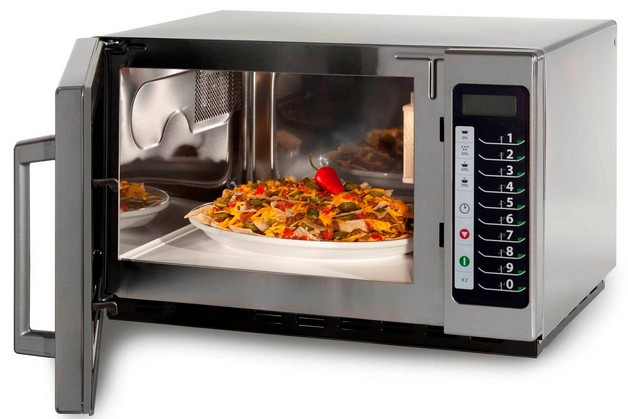
Microwave ovens are an essential part of our lives. It's hard to find a home these days without one. These ovens use microwaves to heat food. These microwaves are electromagnetic waves with a very long wavelength, which are easily absorbed by the water, sugar, and fats found in foods. Microwave ovens are great because they don't consume much electricity and help save time on cooking. However, there are some safety precautions to take.
General recommendations
Always use plastic containers when preparing food. You can also use microwave-safe utensils. Microwave-safe utensils are usually marked with a symbol consisting of four parallel waves.
- Plastic containers must be specifically designed for microwave use. Regular plastic containers are not suitable, as harmful plastic compounds can leach into food when heated and pose a health hazard. Do not microwave newspapers or other paper, as they may catch fire. Unless otherwise directed, avoid using aluminum foil. Do not microwave disposable ice cream cups. Glass containers are safe to use, as long as they are specifically designed for microwave use.
- Do not use metal containers. Microwaves cannot penetrate metal, so the food will not heat up. However, there is a risk that the metal will convert microwaves into electricity, which can cause a spark. Use only microwave-safe containers.
If you microwave food in large pieces, it will heat unevenly. If possible, cut large pieces into smaller pieces. It's best to place the food in a container where it will be evenly distributed. This will ensure the food heats up completely.
- It's usually recommended to seal the container tightly with a lid. In reality, it's better to leave the lid loosely, leaving a small gap for steam to escape.
- It's preferable to use small containers for heating food. They will heat food better and more evenly than larger ones.
If you're heating foods high in fat, it's best to use glass containers. There's a risk that the chemicals in the plastic container will react with the fatty components of the food at very high temperatures.
- Never operate a microwave oven if it's empty. If nothing inside the oven absorbs microwave radiation, the equipment may malfunction, creating a fire hazard.
- Don't use a microwave to sterilize baby bottles. Heat water on a stovetop and sterilize bottles and jars traditionally, even if it takes significantly longer.
- Do not allow children to use the microwave oven unless an adult is present. When the oven is in operation, keep children away from it. If your oven has a child safety lock, use it.
- It is important to periodically clean the microwave oven from burnt particles and food residues.
- Do not attempt to repair the stove yourself. If you notice corrosion or broken doors, stop using it and have it repaired.
Cooking Tips
- If you're defrosting food, set the appropriate temperature. Avoid defrosting food in foam or plastic trays, as they can't withstand high temperatures.
If you regularly cook and reheat poultry, beef, veal, and pork in the microwave, install a built-in thermometer or place it in the microwave. Make sure the internal temperature of the microwave oven reaches 165°F (74°C). This is the minimum temperature required for food to be edible. Higher temperatures are acceptable, depending on your preference. Let the food sit in the microwave for 3-4 minutes before removing it and checking the temperature. Ideally, the food should be steaming hot when you remove it from the microwave, whether it's chicken, fish, casseroles, hot dogs, or other dishes.
- Cook food according to the instructions. Food will continue to cook for a few minutes after turning off the oven.
- Avoid cooking meat products with stuffing. Stuffings generally cannot be heated through or cooked properly. It's best to cook them separately. If you're reheating a whole chicken, leave the meat in the oven for at least 5 minutes after turning off the heat. This will help the heat penetrate deep into the meat, resulting in better cooking.
- Be careful when reheating pies with liquid fillings. The outside of the pie may be barely warm, but the filling will be very hot. Do not eat the pies immediately after removing them from the microwave. Wait a few minutes or eat them slowly, cutting off pieces with a knife.
- Don't boil eggs in the microwave. Steam will build up inside the shell, causing the egg to explode inside the microwave.
- Avoid foods that can cause sparking. This can occur when certain ingredients react with metal elements inside the oven. Sausages and carrots are known to cause sparking due to the salts and minerals they contain. If this occurs, turn off the oven immediately and cook these foods differently.
If you microwave drinks for longer than the recommended time, they may overheat. This can happen if you use very smooth dishes or if the dishes have just been washed in the dishwasher. Therefore, remove the water very carefully to avoid scalding. It's best not to remove it immediately; let it sit for a few minutes after turning off the microwave. To prevent overheating, you can add a little salt or sugar to the water.
- If you are heating food for your baby, try it yourself first, as the food may be too hot and your baby may get burned.
Microwave ovens are undoubtedly one of the greatest inventions of the last century. Research has shown that food cooked in microwaves retains the most nutrients and vitamins compared to other cooking methods. By following the tips above, you can cook food quickly and safely, saving energy and time.
General recommendations
Always use plastic containers when preparing food. You can also use microwave-safe utensils. Microwave-safe utensils are usually marked with a symbol consisting of four parallel waves.
- Plastic containers must be specifically designed for microwave use. Regular plastic containers are not suitable, as harmful plastic compounds can leach into food when heated and pose a health hazard. Do not microwave newspapers or other paper, as they may catch fire. Unless otherwise directed, avoid using aluminum foil. Do not microwave disposable ice cream cups. Glass containers are safe to use, as long as they are specifically designed for microwave use.
- Do not use metal containers. Microwaves cannot penetrate metal, so the food will not heat up. However, there is a risk that the metal will convert microwaves into electricity, which can cause a spark. Use only microwave-safe containers.
If you microwave food in large pieces, it will heat unevenly. If possible, cut large pieces into smaller pieces. It's best to place the food in a container where it will be evenly distributed. This will ensure the food heats up completely.
- It's usually recommended to seal the container tightly with a lid. In reality, it's better to leave the lid loosely, leaving a small gap for steam to escape.
- It's preferable to use small containers for heating food. They will heat food better and more evenly than larger ones.
If you're heating foods high in fat, it's best to use glass containers. There's a risk that the chemicals in the plastic container will react with the fatty components of the food at very high temperatures.
- Never operate a microwave oven if it's empty. If nothing inside the oven absorbs microwave radiation, the equipment may malfunction, creating a fire hazard.
- Don't use a microwave to sterilize baby bottles. Heat water on a stovetop and sterilize bottles and jars traditionally, even if it takes significantly longer.
- Do not allow children to use the microwave oven unless an adult is present. When the oven is in operation, keep children away from it. If your oven has a child safety lock, use it.
- It is important to periodically clean the microwave oven from burnt particles and food residues.
- Do not attempt to repair the stove yourself. If you notice corrosion or broken doors, stop using it and have it repaired.
Cooking Tips
- If you're defrosting food, set the appropriate temperature. Avoid defrosting food in foam or plastic trays, as they can't withstand high temperatures.
If you regularly cook and reheat poultry, beef, veal, and pork in the microwave, install a built-in thermometer or place it in the microwave. Make sure the internal temperature of the microwave oven reaches 165°F (74°C). This is the minimum temperature required for food to be edible. Higher temperatures are acceptable, depending on your preference. Let the food sit in the microwave for 3-4 minutes before removing it and checking the temperature. Ideally, the food should be steaming hot when you remove it from the microwave, whether it's chicken, fish, casseroles, hot dogs, or other dishes.
- Cook food according to the instructions. Food will continue to cook for a few minutes after turning off the oven.
- Avoid cooking meat products with stuffing. Stuffings generally cannot be heated through or cooked properly. It's best to cook them separately. If you're reheating a whole chicken, leave the meat in the oven for at least 5 minutes after turning off the heat. This will help the heat penetrate deep into the meat, resulting in better cooking.
- Be careful when reheating pies with liquid fillings. The outside of the pie may be barely warm, but the filling will be very hot. Do not eat the pies immediately after removing them from the microwave. Wait a few minutes or eat them slowly, cutting off pieces with a knife.
- Don't boil eggs in the microwave. Steam will build up inside the shell, causing the egg to explode inside the microwave.
- Avoid foods that can cause sparking. This can occur when certain ingredients react with metal elements inside the oven. Sausages and carrots are known to cause sparking due to the salts and minerals they contain. If this occurs, turn off the oven immediately and cook these foods differently.
If you microwave drinks for longer than the recommended time, they may overheat. This can happen if you use very smooth dishes or if the dishes have just been washed in the dishwasher. Therefore, remove the water very carefully to avoid scalding. It's best not to remove it immediately; let it sit for a few minutes after turning off the microwave. To prevent overheating, you can add a little salt or sugar to the water.
- If you are heating food for your baby, try it yourself first, as the food may be too hot and your baby may get burned.
Microwave ovens are undoubtedly one of the greatest inventions of the last century. Research has shown that food cooked in microwaves retains the most nutrients and vitamins compared to other cooking methods. By following the tips above, you can cook food quickly and safely, saving energy and time.
Votes: 1
Categories:
Related articles