Coffee beans
The article discusses whole-bean coffee and provides tips on choosing, preparing, and storing it.
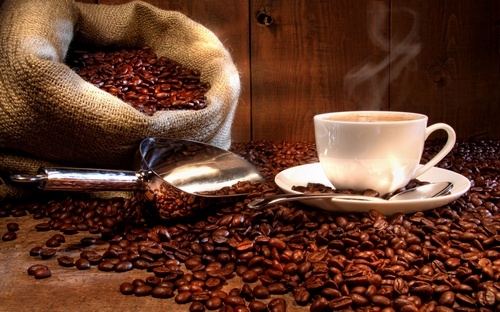
The main types of coffee trees are Arabica and Robusta. Robusta trees produce lower quality coffee, producing beans with an astringent taste. A blend of Arabica and Robusta beans is called whole bean coffee. The distinct flavor and wonderful aroma result from this blended coffee, as the beans are already roasted. However, there are some differences in the beans.
Arabica beans are elongated in shape and have a uniform color across the entire surface. Robusta beans, on the other hand, have a uniform color and are round in shape after roasting. Coffee packaging contains all the information about this product. Of course, the exact composition and proportions of the coffee beans are a trade secret, and the manufacturer is unlikely to reveal its secrets. However, unprocessed coffee beans may also be available for sale. If you purchase unprocessed coffee beans, pay attention to the pleasant green aroma, and if you bite into the coffee, you'll notice a slight tingle on your tongue. However, unprocessed coffee that is gray, white, or even black, odorless, or even unpleasant, can be harmful to your health, and should not be consumed.
The quality and flavor of coffee depend on the growing and production process. Climate, harvesting season, and the ripeness of the berries also influence bean quality. The size of the bean determines the grade of coffee; the larger the bean, the better, as larger beans are harvested from riper berries. The infusion from such beans will have a rich, full-bodied flavor. After all the beans are harvested, the lengthy process of turning them into raw materials begins, ready for consumption. The quality of the coffee depends on how the beans are processed. Bean-to-bean coffee retains its flavor and aroma much longer and better than ground coffee beans. When buying coffee in the store, choose the best and most trusted producers.
Both raw and roasted coffee beans are sold at retail outlets. Stores also purchase ground coffee, chicory-infused coffee, and instant coffee. Barley, acorn, and various coffee substitutes are also available. Roasting is essential before drinking. It's best to roast the coffee beans in a heavy-bottomed pan, preferably cast iron. Stir the beans constantly until they turn brown. Next, place the beans in a grinder and grind them. You can use an electric grinder or grind by hand. While grinding, inhale the beneficial aroma emanating from the beans.
Coffee beans should be stored in glass or metal jars with tightly sealed lids. Coffee in tin cans last no more than a year, and in paper boxes, no more than six months. It's best to grind the beans just before brewing.
Coffee beans should be brewed in a coffee pot or in a special coffee maker or coffee machine. There are many different recipes for brewing coffee beans properly. The coffee should not boil, but be gently brought to a simmer. Remove from the heat when the foam begins to rise. Never reheat coffee that has cooled; in this case, it's best to drink it cold. Reheated coffee will lose its original aroma and flavor.
Votes: 1
Categories
Recipe collections / Culinary articlesSimilar recipes




























Appetizers
Soups
Main courses
Salads
Fast food
Sauces
Grill, barbecue
Bakery
Desserts
Drinks
Alcoholic cocktails
Cooking methods
Canned goods
Seasonal dishes
Festive dishes
Cuisines of the world
Scandinavian Swedish
Asian Chinese Japanese Thai Vietnamese Korean Filipino
Arabic Jewish Turkish
Indian
African Moroccan
American Hawaiian Cajun Canadian Tex-Mex
Latin American Mexican Venezuelan Argentine Brazilian
Caribbean Cuban Jamaican