Brazilian coffee
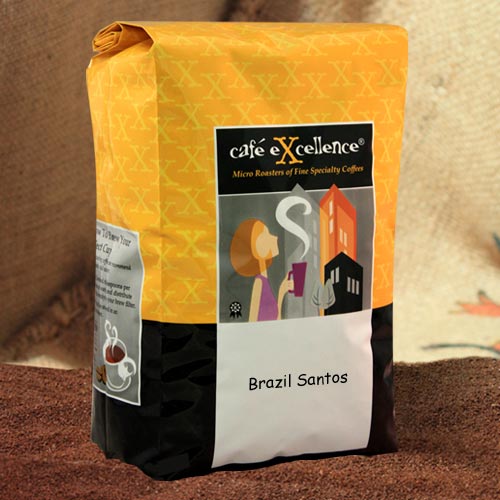
Brazil is the birthplace of mass-produced coffee, from cheap to premium, which in turn produces some of the world's best espresso. In Brazil, coffee beans are separated from the pulp using four different methods. It's not uncommon for all of them to be used in a single harvest. Brazilian coffee is grown in low-altitude areas, which explains its low acidity.
Traditionally in Brazil, coffee beans are dried in the sun. (dry processing), it often has a sweetish taste with some nuances. Latin American Arabica is usually called "bourbon"The best of its varieties are sold as "Santos 2." Santos is actually a coffee market—the port through which shipments are made—and the number "2" signifies "high class." Coffee labels typically indicate: Brazil - Bourbon - Santos or Brazil - Santos.
When the coffee beans are wet processed, the taste of Brazilian coffee becomes a little brighter, Brazilians call this coffee half-washedThis method is considered risky: if the fruit is susceptible to rot, the beans will absorb the fermentation flavor, and the brewed coffee will have a harsh, medicinal taste. For example, the notorious Rio coffee is characterized by an intense iodine flavor and is very popular in Eastern Europe and the Middle East.
Several years ago, the Brazilian government attempted to deregulate the coffee industry, allowing large plantations to sell their coffee directly on global markets (without requiring state certification). Consequently, coffees like Santos or Bourbon Santos appeared on store shelves directly from producers—"fazendas." Large fazendas producing excellent coffee include: Monte Alegre, Ipanema, Lambari, Daterra, Lagoa, Vereda. Improved organic coffee is produced by the Cachoeira farm, this coffee is sold under the name Blue of Brazil.
Top Brazilian coffee is grown in three regions, which account for the majority of sales:
Mogiana - famous for its deep, richly red soil and sweet, round coffee beans.
Sal Mines Hills - the heart of Brazilian coffee.
Cerrado Plateau - a new area, the most promising in terms of coffee quality, since the weather here is often clear and dry, which contributes to more thorough drying of the coffee fruit.
Categories
Culinary Encyclopedia / DrinksSimilar material
Cold whipped coffee
Spicy Cold Coffee with Cream "Cowgirl"
Brazilian berry cocktail
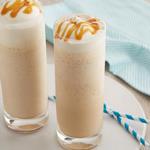
Coffee frappe in a blender

Venetian coffee
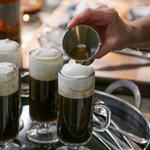
Irish coffee

Coffee and cinnamon brownie
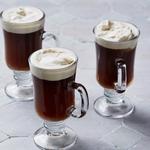
Classic Irish Coffee
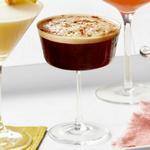
Coffee frappe with brandy
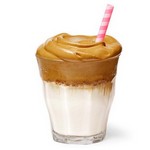
Dalgona coffee
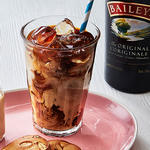
Cold coffee with ice
Espresso coffee granita
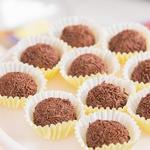
Brazilian truffle "Brigadeiro"
Masala coffee in a slow cooker

Latte Mochaccino
Homemade cappuccino coffee
Pumpkin Spice Latte Base
Pao de Quejo (Brazilian Cheese Bread)
Iced coffee
Carajillo (Spanish Coffee)

Brazilian cocktail "Caipirinha"
Irish coffee

Elegant Irish coffee

Real Irish coffee
Brazilian Pave Cake
Kenyan coffee
Guatemalan coffee

Interesting facts about coffee

Time for coffee

Coffee with cherry cream
Brazilian coffee cocktail
Cayenne pepper (Indian, Brazilian)
Appetizers
Beer snacks
Cheese appetizers
Sandwiches
Snacks
Canapes
Assorted appetizers
Snacks with sauces
Meat appetizers
Fish appetizers
Vegetable appetizers
Egg appetizers
Soups
Cold soups
Creamy soups
Cream soups
Soups with dressings
Clear soups
Vegetable soups
Thick soups, stews
Meat soups
Fish soups
Soups with pasta and cereals
Main courses
Meat
Bird, game
Side dishes
Vegetables, mushrooms
Fish, seafood
Cereals, legumes
Eggs, dairy products
Pasta
Casseroles
Salads
Warm salads
Vegetable salads
Leafy salads
Fruit salads
Salads with cereals and pasta
Salads with meat
Salads with fish
Salads with eggs
Salads with beans
Salads with bread
Fast food
Hamburgers
Sandwiches
Hot dogs
Pizzas
Hot sandwiches
Tortilla Dishes
Pita dishes
Pancakes
Sauces for fast food
Deep-fried dishes
Sauces
Seasonings
Gravies
Dips
Spreads
Barbecue glazes and sauces
Salad dressings
Oil mixtures
Emulsion sauces
Sweet sauces
Hot sauces
Sauces for fast food
Grill, barbecue
Grilled meat
Grilled poultry
Grilled fish
Smoked dishes
Grilled vegetables and fruits
Grilled flour products
Barbecue glazes and sauces
Bakery
Savory pies, pizzas
Homemade bread
Potato pancakes, pancakes
Unsweetened buns, pies
Unsweetened cookies and muffins
Desserts
Cupcakes
Fruit desserts
Cookie
Cakes
Donuts, pies, buns
Candies and small sweets
Creams, sauces, mousses, puddings
Soufflé, meringues, meringues
Jelly
Ice cream, sorbets
Cakes
Sweet pies, tarts
Pancakes, fritters, waffles, toast
Breakfast cereals, granola, muesli
Drinks
Milkshakes
Smoothies, granitas
Coffee and chocolate based drinks
Fruit drinks, juices
Tea and herbal drinks
Hot drinks
Alcoholic cocktails
Cocktails with vodka
Cocktails with gin
Whiskey cocktails
Cocktails with wine
Cocktails with brandy, cognac
Cocktails with absinthe
Cocktails with rum
Cocktails with sparkling wine
Tequila cocktails
Cocktails with beer
Cocktails with liqueurs
Frozen cocktails
Cooking methods
Air fryer
Pressure cooker
Cold dishes
Multicooker
Stuffed dishes
Deep-frying
Double boiler
Pan
Baking tray
Foil
Oven
Roaster
Mixer
Blender
Brazier
Food processor
Microwave
Wok
Pickled dishes
Dried and cured foods
Pickled dishes
Poached dishes
Salty dishes
Smoked dishes
Canned goods
Seasonal dishes
Festive dishes
New Year
Christmas
Valentine's Day
March 8
Easter
May 1st
Halloween
Birthday
Party Dishes
Wedding dishes
Cocktail party
Dinner party
Mother's Day
Cuisines of the world
European
French
Italian
Spanish
Greek
English
Irish
German
Portuguese
Austrian
Polish
Russian
Scandinavian Swedish
Asian Chinese Japanese Thai Vietnamese Korean Filipino
Arabic Jewish Turkish
Indian
African Moroccan
American Hawaiian Cajun Canadian Tex-Mex
Latin American Mexican Venezuelan Argentine Brazilian
Caribbean Cuban Jamaican
Scandinavian Swedish
Asian Chinese Japanese Thai Vietnamese Korean Filipino
Arabic Jewish Turkish
Indian
African Moroccan
American Hawaiian Cajun Canadian Tex-Mex
Latin American Mexican Venezuelan Argentine Brazilian
Caribbean Cuban Jamaican
Categories
Breakfasts
Lunches
Dinners
Children's dishes
Dishes for future use
Budget recipes
Comfort food
Recipes for one
Recipes for two
Picnic
Backyard Recipes
Dishes for fans
Movie Night Dishes
Cooking methods
Food Network Recipes
Recipe collections
Recipes by ingredients
Healthy eating
Healthy breakfasts
Lunches
Dinners
Healthy snacks
Dishes rich in fiber
Gluten-free dishes
Low sodium content
Low-calorie dishes
Dishes for diabetics
Low-carb meals
Low fat content
Low cholesterol
Calorie content of prepared meals
Vegetarian dishes
Vegan dishes