15 Foods You Shouldn't Refrigerate
Cold storage is essential for many foods, but some can be damaged by such temperatures. Keeping these foods away from the refrigerator is best.
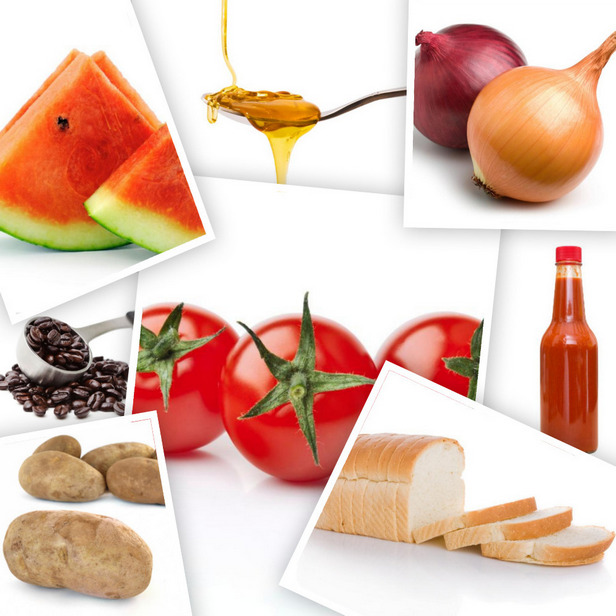
Cold storage is essential for many foods, but some can be damaged by such temperatures. Keeping these foods away from the refrigerator is best.
Cold storage is essential for many foods, but some can be damaged by such temperatures. Keeping these foods away from the refrigerator is best.
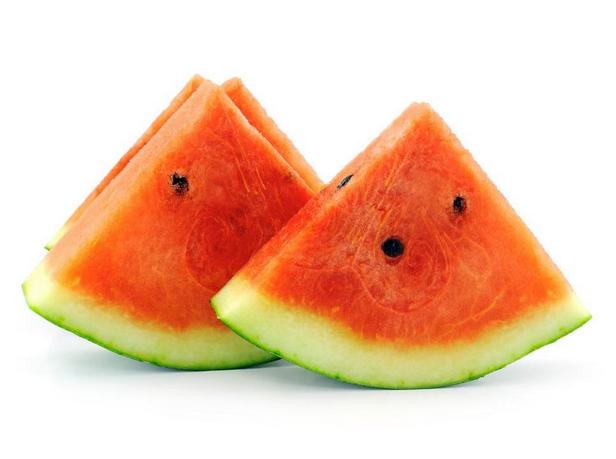
Melon and watermelon
Keep whole melons and watermelons on the counter for a tastier taste. A study by the Department of Agriculture found that room temperature can help preserve antioxidants. However, if you've already cut up a watermelon or melon, keep them in the refrigerator for up to 3-4 days.Potato
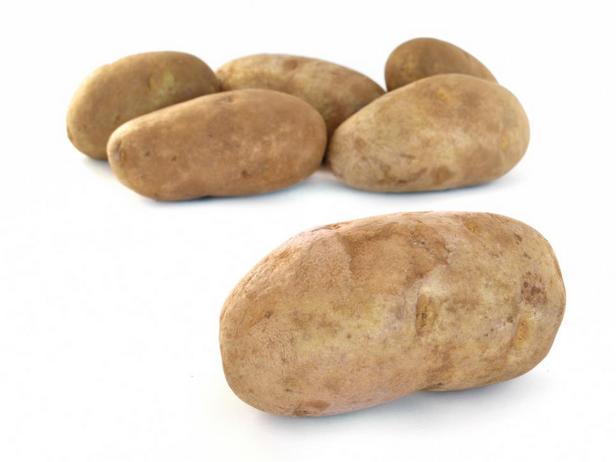
Low temperatures will destroy the starch in potatoes, leaving them unpleasantly sweet and grainy. A cool, dark place is their best friend.Honey
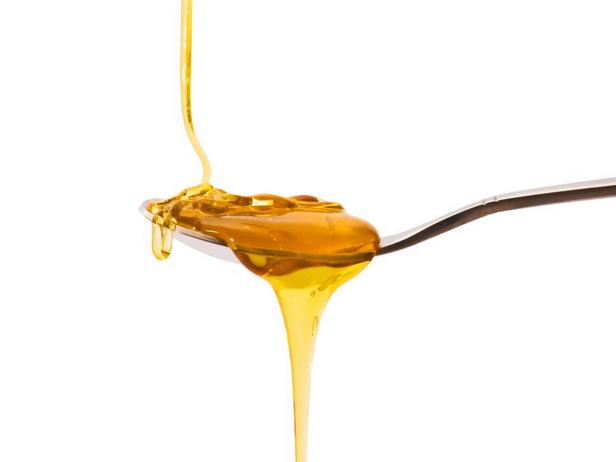
Honey will crystallize faster in the cold. Room temperature is best for maintaining this natural sweetener at its ideal consistency.Coffee
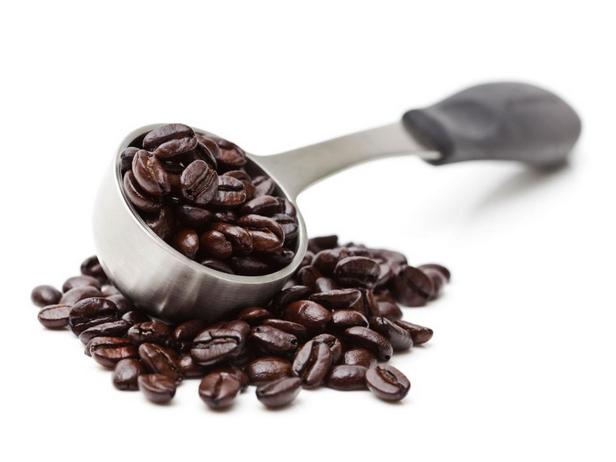
Humidity in the refrigerator can trigger condensation, which can ruin the flavor of ground coffee or whole beans. Store it in an airtight container in the cupboard.Tomatoes
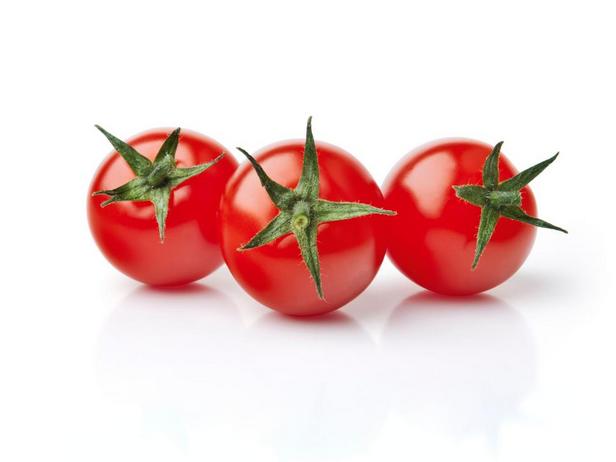
Tomatoes become wilted and lose their texture in the cold. Store them on the counter (unripe ones can be placed on the windowsill). If they become overripe, it's time to make tomato jam or baked tomato sauce.Onion
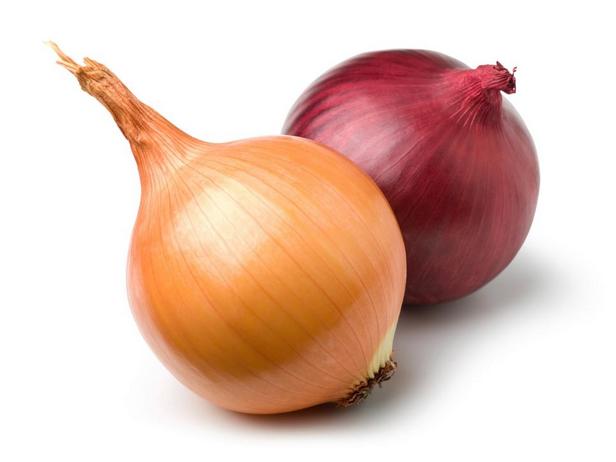
Uncut onions shouldn't be stored in the refrigerator. The humidity in the refrigerator will cause them to mold and become soft faster. Avoid direct sunlight, and after cutting, store the onions in a reusable storage bag in the crisper drawer.Garlic
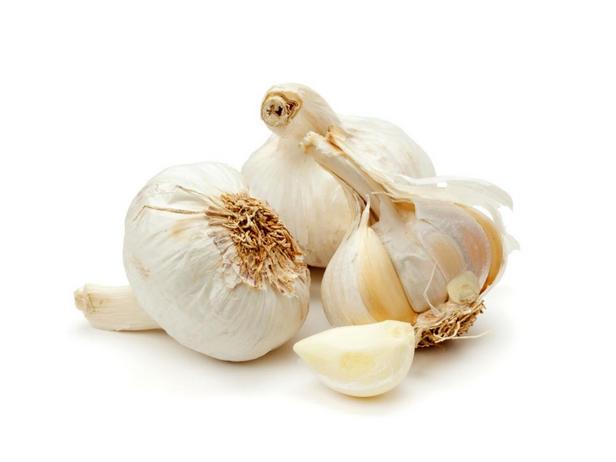
Preserve garlic's rich flavor by storing it in a cool, dry, air-conditioned container. Individual cloves can be stored for up to 10 days.Hot sauce
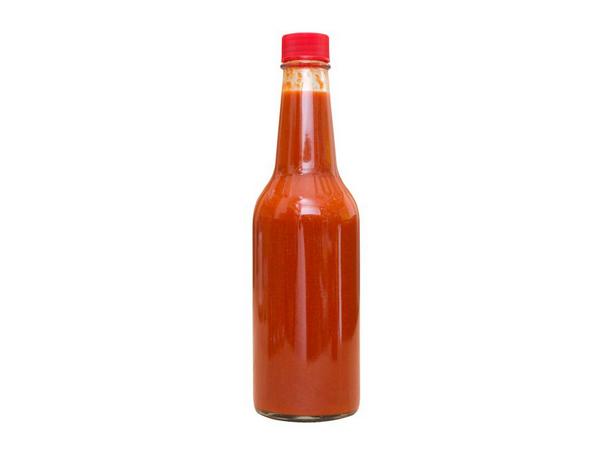
There's no need to refrigerate hot sauce. It contains enough vinegar to prevent bacterial growth, and the pepper's heat is stronger at room temperature.Chocolate-nut butter
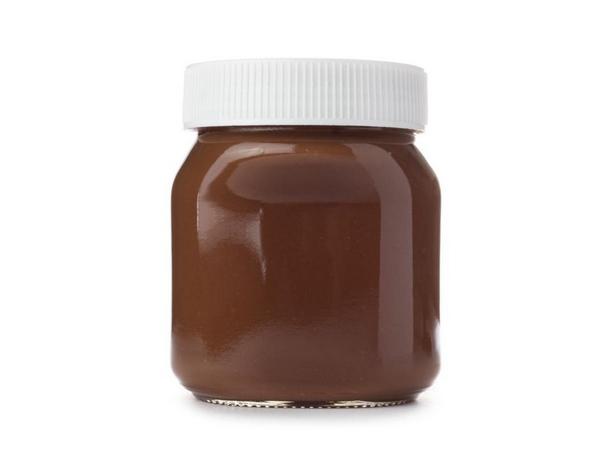
This paste is much easier to spread when stored outside the refrigerator, and the characteristic chocolate flavor is better revealed when the product is not refrigerated.Bread
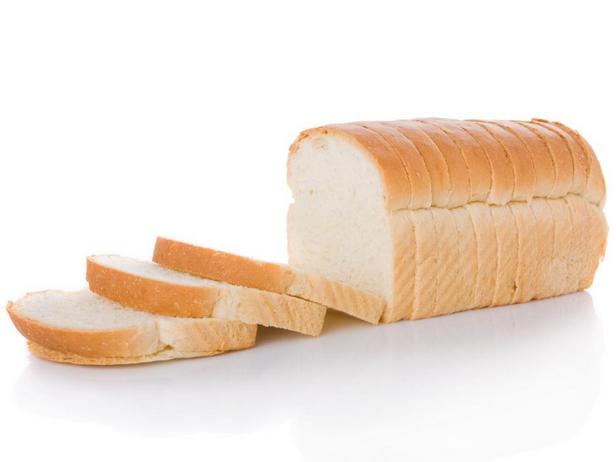
Bread can get moldy outside the refrigerator, but the refrigerator can dry it out. Keep loaves on the counter. If you have more bread than you need, store it in the freezer and use it for toast.Nuts
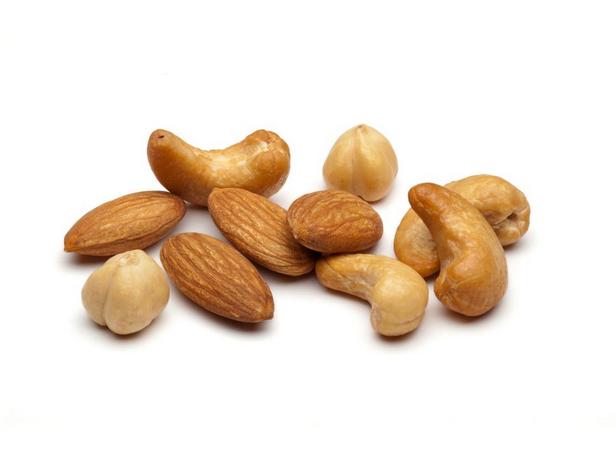
Low temperatures help prevent the vegetable oils in nuts from spoiling and going rancid, but they can weaken the nutty flavor; shelled nuts can also absorb odors from the refrigerator. Store nuts in an airtight container in the pantry. If you already have a large supply of nuts in the refrigerator, toast them in a dry frying pan before using.Apples
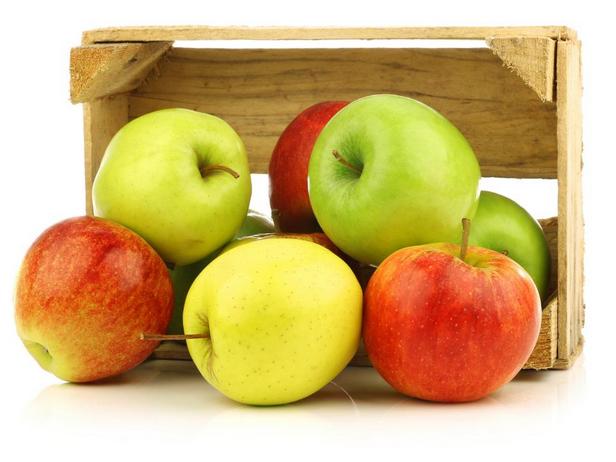
Freshly picked apples will keep well (and look beautiful) on your table. If you don't eat them within a week or two, you can refrigerate them.Avocado
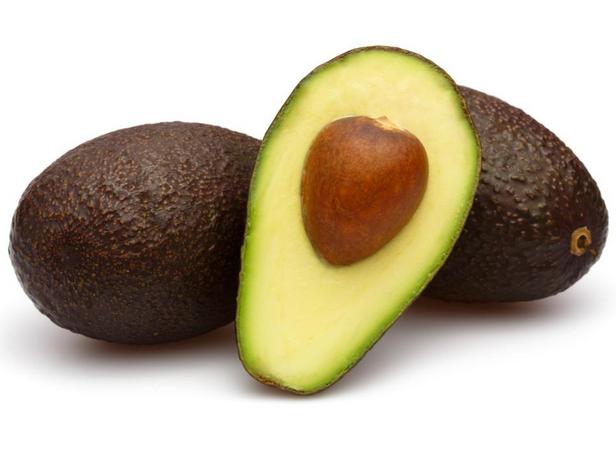
Avocado's distinctive creamy texture is best appreciated at room temperature. If you have a lot of ripe avocados and don't plan to use them soon, you can refrigerate them to preserve them for a few more days.Stone fruits
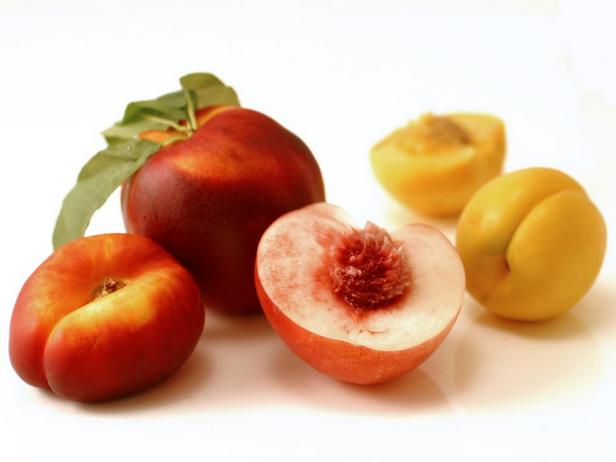
Leave peaches, apricots, nectarines, and plums to ripen at room temperature. If you don't have time to eat them quickly, store them in the crisper drawer of the refrigerator to extend their life for a few more days.Berries
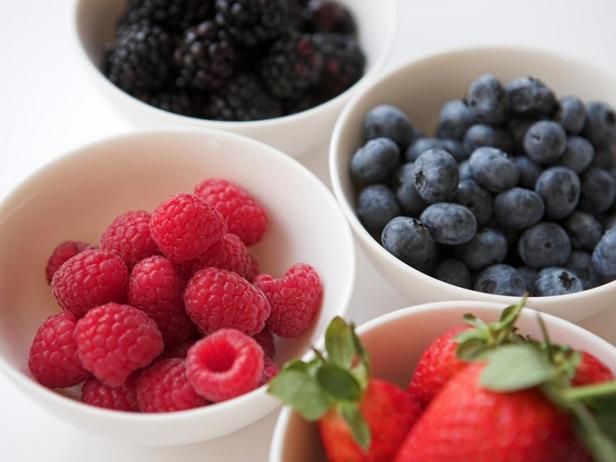
Fresh berries from a local farm are best at room temperature, so it's best to eat them as quickly as possible. For long-term storage, refrigerate. Avoid spoiled berries and rinse them immediately before eating.Votes: 1
Categories:
Related articles