15 Foods You Should Always Keep in the Freezer
Some foods should be stored exclusively in the freezer. Freezing not only prevents them from spoiling and saves you money, but also preserves maximum nutrients.
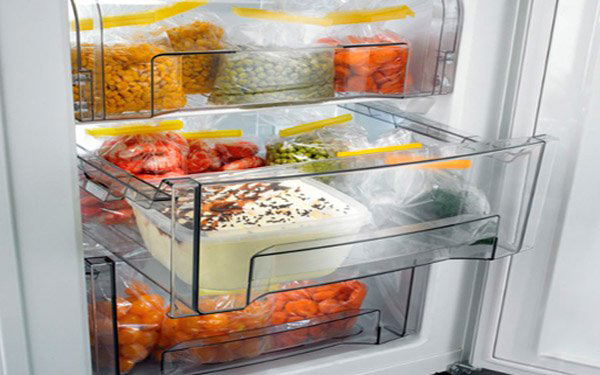
Some foods should be stored exclusively in the freezer. Freezing not only prevents them from spoiling and saves you money, but also preserves maximum nutrients.
Below is a list of 15 foods you can, and maybe even should, store in your freezer.
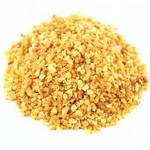
Because these foods contain a lot of oil, they quickly become rancid. It's best to keep them in the freezer unless you plan to use them immediately after purchase. Peanuts, walnuts, pecans, and cashews can be frozen. macadamia nuts, hazelnuts, and almonds. The nuts can be shelled or unshelled. Simply wrap them in a plastic bag and place them in the freezer.
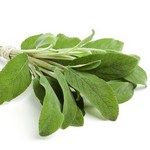
Finely chop rosemary, oregano, sage, or thyme. Place the herbs in an ice cube tray, add extra-virgin olive oil, and freeze overnight. Then, remove the resulting ice cubes from the tray, place them in a plastic bag, and return them to the freezer. If needed, you can remove one cube, place it in a frying pan, and melt it over low heat, then fry something in the pan. The cubes can be added to stews and soups.
Freezing ginger is very easy. Wrap unpeeled pieces of ginger in plastic wrap and place them in the freezer. When you need to use them, simply remove them and scrape them with a knife. Frozen ginger can be added to soups, tea, and other dishes.
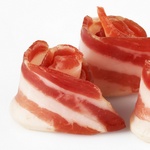
Don't be afraid to freeze it. It thaws very quickly at room temperature. Cut the bacon into slices and wrap each slice in parchment or baking paper, then place them in a plastic container and put them in the freezer. If you need to finely chop the bacon for a dish, it's easier to do so if the meat is frozen.
You can stock up on butter and store it in the freezer. Place the butter packets in a plastic bag beforehand to prevent odors.
It's helpful to freeze very ripe bananas before using them in various dishes. Place them in bags, squeezing out all the air first. Don't put all the bananas in one bag. It's important that they don't touch each other. You can then remove them and blend them in a blender while still frozen, add yogurt, and make a banana-cream smoothie. Alternatively, you can defrost them by keeping them at room temperature for about an hour, after which they can be used in banana bread or other baked goods.
Strawberries, blackberries, raspberries, and blueberries freeze best. These berries are rich in nutrients and preserve best in the freezer. Place the berries on a baking sheet and freeze overnight. Afterward, you can transfer them to a bag or plastic container and return them to the freezer. Frozen berries can be added to smoothies, yogurts, or cereals, or thawed and used in baking.
Frozen grapes make a great snack. Wash the berries, dry them, place them on a baking sheet, and freeze for a few hours. Afterward, you can eat them immediately or continue storing them in the freezer in a plastic container.
When freezing bread, first place it in the refrigerator to cool. Then wrap it in plastic and place it in the freezer. Bread can also be stored lightly toasted. You can also freeze any baked goods, whether purchased or made in advance, from buns to Easter cakes.
If you're a fan of this drink, we suggest making coffee ice cubes. Brew coffee, pour it into an ice cube tray, and freeze it. You can then add the cubes to your freshly brewed coffee to cool it down or create iced coffee.
Squeeze the juice from a lemon, lime, or orange and freeze it into cubes in a mold. These cubes can then be added to iced tea or lemonade, or used in recipes that call for lemon, lime, or orange juice.
Milk can be bought in bulk, just like butter, and frozen. Simply pour it into a plastic container, but not all the way to the top, then freeze. When defrosting, refrigerate the milk first. If its texture becomes too grainy after freezing, you can add it to unfrozen milk. As for sour milk, most recipes call for very small amounts, so there's no need to freeze a lot. Pour a spoonful into each well of an ice cube tray and place the tray in the freezer overnight. The next day, remove the frozen sour milk cubes from the tray, place them in a bag, and return them to the freezer. When defrosting, just like milk, sour milk should be refrigerated first before removing it completely.
To prevent cooked pasta from sticking together when reheating, it's best to place it in the freezer first. To defrost, you can microwave it later or simply pour hot sauce over it.
When heated, they can suffer the same effects as pasta. Therefore, after cooking, rice and grains should be cooled, placed in a plastic container, and placed in the freezer. Defrosting should be done in much the same way, in the microwave or by adding a small amount of water to the pan.
Shortbread cookies will keep better in the freezer. Cool them completely immediately after baking, place them in a bag or container with a lid, and place them in the freezer. When defrosting, place them in the refrigerator first and then remove them. You can also try eating them frozen. Chocolate cookies are especially delicious frozen.
Below is a list of 15 foods you can, and maybe even should, store in your freezer.
1. Nuts and nut flour
Because these foods contain a lot of oil, they quickly become rancid. It's best to keep them in the freezer unless you plan to use them immediately after purchase. Peanuts, walnuts, pecans, and cashews can be frozen. macadamia nuts, hazelnuts, and almonds. The nuts can be shelled or unshelled. Simply wrap them in a plastic bag and place them in the freezer.
2. Herbs
Finely chop rosemary, oregano, sage, or thyme. Place the herbs in an ice cube tray, add extra-virgin olive oil, and freeze overnight. Then, remove the resulting ice cubes from the tray, place them in a plastic bag, and return them to the freezer. If needed, you can remove one cube, place it in a frying pan, and melt it over low heat, then fry something in the pan. The cubes can be added to stews and soups.
3. Ginger
Freezing ginger is very easy. Wrap unpeeled pieces of ginger in plastic wrap and place them in the freezer. When you need to use them, simply remove them and scrape them with a knife. Frozen ginger can be added to soups, tea, and other dishes.
4. Bacon
Don't be afraid to freeze it. It thaws very quickly at room temperature. Cut the bacon into slices and wrap each slice in parchment or baking paper, then place them in a plastic container and put them in the freezer. If you need to finely chop the bacon for a dish, it's easier to do so if the meat is frozen.
5. Butter
You can stock up on butter and store it in the freezer. Place the butter packets in a plastic bag beforehand to prevent odors.
6. Ripe bananas
It's helpful to freeze very ripe bananas before using them in various dishes. Place them in bags, squeezing out all the air first. Don't put all the bananas in one bag. It's important that they don't touch each other. You can then remove them and blend them in a blender while still frozen, add yogurt, and make a banana-cream smoothie. Alternatively, you can defrost them by keeping them at room temperature for about an hour, after which they can be used in banana bread or other baked goods.
7. Berries
Strawberries, blackberries, raspberries, and blueberries freeze best. These berries are rich in nutrients and preserve best in the freezer. Place the berries on a baking sheet and freeze overnight. Afterward, you can transfer them to a bag or plastic container and return them to the freezer. Frozen berries can be added to smoothies, yogurts, or cereals, or thawed and used in baking.
8. Grapes
Frozen grapes make a great snack. Wash the berries, dry them, place them on a baking sheet, and freeze for a few hours. Afterward, you can eat them immediately or continue storing them in the freezer in a plastic container.
9. Bread and bakery products
When freezing bread, first place it in the refrigerator to cool. Then wrap it in plastic and place it in the freezer. Bread can also be stored lightly toasted. You can also freeze any baked goods, whether purchased or made in advance, from buns to Easter cakes.
10. Coffee
If you're a fan of this drink, we suggest making coffee ice cubes. Brew coffee, pour it into an ice cube tray, and freeze it. You can then add the cubes to your freshly brewed coffee to cool it down or create iced coffee.
11. Citrus juice
Squeeze the juice from a lemon, lime, or orange and freeze it into cubes in a mold. These cubes can then be added to iced tea or lemonade, or used in recipes that call for lemon, lime, or orange juice.
12. Milk and yogurt
Milk can be bought in bulk, just like butter, and frozen. Simply pour it into a plastic container, but not all the way to the top, then freeze. When defrosting, refrigerate the milk first. If its texture becomes too grainy after freezing, you can add it to unfrozen milk. As for sour milk, most recipes call for very small amounts, so there's no need to freeze a lot. Pour a spoonful into each well of an ice cube tray and place the tray in the freezer overnight. The next day, remove the frozen sour milk cubes from the tray, place them in a bag, and return them to the freezer. When defrosting, just like milk, sour milk should be refrigerated first before removing it completely.
13. Frozen pasta
To prevent cooked pasta from sticking together when reheating, it's best to place it in the freezer first. To defrost, you can microwave it later or simply pour hot sauce over it.
14. Boiled rice and other grains
When heated, they can suffer the same effects as pasta. Therefore, after cooking, rice and grains should be cooled, placed in a plastic container, and placed in the freezer. Defrosting should be done in much the same way, in the microwave or by adding a small amount of water to the pan.
15. Homemade chocolate or regular cookies
Shortbread cookies will keep better in the freezer. Cool them completely immediately after baking, place them in a bag or container with a lid, and place them in the freezer. When defrosting, place them in the refrigerator first and then remove them. You can also try eating them frozen. Chocolate cookies are especially delicious frozen.
Votes: 1
Categories:
Related articles