All About Spices – Storage Tips and Interesting Facts
You probably won't believe it now, but in the Middle Ages there were actual wars fought for the possession of the islands where spices were grown.
Spices not only impart flavor and aroma to dishes, but also serve as excellent preservatives and flavor enhancers.
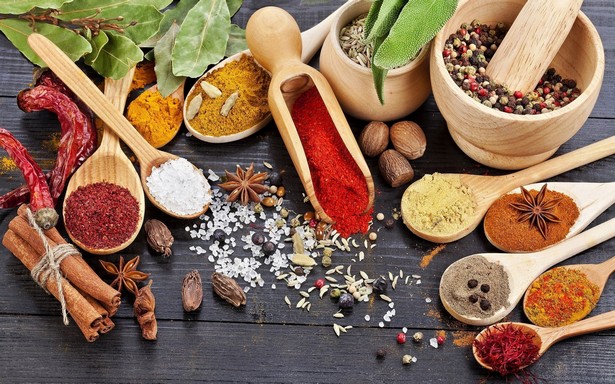
You probably won't believe it now, but in the Middle Ages there were actual wars fought for the possession of the islands where spices were grown.
Spices not only impart flavor and aroma to dishes, but also serve as excellent preservatives and flavor enhancers.
Different seasonings have their own flavors and characteristics, and the same one can often be used for different purposes. Aromas stimulate the appetite but also aid digestion.
Some spices are used to enhance the flavor of dishes, while others impart a pleasant aroma. Complex flavors can also be achieved by combining different seasonings and spices.
What are spices?
Ayurvedic medicine prescribes the use of spices to warm and cool the body, as well as to regulate the digestive system.
Hot spices like ginger, turmeric, and cloves induce sweating, which can lead to cooling in hot tropical climates. Various types of peppers also provide a feeling of internal warmth, making them a good addition to foods when it's cold.
What is the difference between spices and herbs?
Spices are the aromatic part of tropical plants. They can be:
– root (ginger, turmeric);
- bark (cinnamon);
- flowers (saffron);
– seeds (cumin, pepper, coriander).
Fragrant herbs Herbs are plants that do not have a woody stem. They are typically annuals. These include basil, thyme, rosemary, mint, and parsley.
Where do spices get their aroma and flavor?
Spices get their aroma and flavor from the essential oils they contain. Spices are lipophilic, meaning they combine better with heated fats than cold ones or water. When we add spices to food, they quickly release these chemical compounds, causing their aroma to diffuse into the food and air. To release their aroma more quickly, spices are crushed or ground before use.
It's important to add spices to a dish at the right moment during cooking. If they're added at the beginning, they impart flavor, while if they're added at the end, they impart aroma, leaving the flavor barely perceptible. However, it's not always necessary.
Storage
To keep spices fresh and maintain their quality, you need to follow certain rules for purchasing and storing them:
1. Always buy spices in small quantities. This way, they will always be fresh and very aromatic.
2. Ground spices retain their aroma longer.
3. Store aromatic herbs and spices in clean, airtight containers that protect them from air, heat, light, and moisture. Handle spices properly: avoid handling them with wet hands and always close the container tightly after use.
4. If you've purchased a large quantity of spices, set some aside in a container for immediate use, and place the rest in a bag or other container, seal it tightly, and store it in a dry, dark place. Spices can also be stored in the refrigerator.
5. The shelf life of spices depends on their form and the part of the plant they come from. For example, ground or chopped spices lose their aroma more quickly than whole plants.
Whole plants
Flowers – from 1 to 2 years;
Seeds and bark – 2-3 years;
Ground plants
Bark – 3 years;
Roots – 2 years;
Leaves – 1 year.
6. Keep spices away from the stove and microwave.
7. It's best to store aromatic herbs in labeled glass jars. Store the jars in a dark place or out of direct sunlight.
Health benefits
Spices are known to be healthy. They reduce the sodium content of food while enhancing its flavor. Reducing sodium is a truly beneficial thing, especially for those suffering from high blood pressure.
Interesting facts about spices
1. Spices were brought to European countries by the Romans, who discovered them during their trading expeditions to the East.
2. In ancient times, the Arabian Peninsula was a center of the spice trade.
3. The desire of traders to supply as many spices as possible to European markets led to new voyages and the discovery of new types of seasonings.
4. Pepper was so valued in the Middle Ages that it was used as a substitute for money.
5. In Rome, the use of rare spices was a sign of wealth. Possessing spices could impress others, with the goal of extracting personal or political advantage from the right people.
Spices not only impart flavor and aroma to dishes, but also serve as excellent preservatives and flavor enhancers.
Different seasonings have their own flavors and characteristics, and the same one can often be used for different purposes. Aromas stimulate the appetite but also aid digestion.
Some spices are used to enhance the flavor of dishes, while others impart a pleasant aroma. Complex flavors can also be achieved by combining different seasonings and spices.
What are spices?
Ayurvedic medicine prescribes the use of spices to warm and cool the body, as well as to regulate the digestive system.
Hot spices like ginger, turmeric, and cloves induce sweating, which can lead to cooling in hot tropical climates. Various types of peppers also provide a feeling of internal warmth, making them a good addition to foods when it's cold.
What is the difference between spices and herbs?
Spices are the aromatic part of tropical plants. They can be:
– root (ginger, turmeric);
- bark (cinnamon);
- flowers (saffron);
– seeds (cumin, pepper, coriander).
Fragrant herbs Herbs are plants that do not have a woody stem. They are typically annuals. These include basil, thyme, rosemary, mint, and parsley.
Where do spices get their aroma and flavor?
Spices get their aroma and flavor from the essential oils they contain. Spices are lipophilic, meaning they combine better with heated fats than cold ones or water. When we add spices to food, they quickly release these chemical compounds, causing their aroma to diffuse into the food and air. To release their aroma more quickly, spices are crushed or ground before use.
It's important to add spices to a dish at the right moment during cooking. If they're added at the beginning, they impart flavor, while if they're added at the end, they impart aroma, leaving the flavor barely perceptible. However, it's not always necessary.
Storage
To keep spices fresh and maintain their quality, you need to follow certain rules for purchasing and storing them:
1. Always buy spices in small quantities. This way, they will always be fresh and very aromatic.
2. Ground spices retain their aroma longer.
3. Store aromatic herbs and spices in clean, airtight containers that protect them from air, heat, light, and moisture. Handle spices properly: avoid handling them with wet hands and always close the container tightly after use.
4. If you've purchased a large quantity of spices, set some aside in a container for immediate use, and place the rest in a bag or other container, seal it tightly, and store it in a dry, dark place. Spices can also be stored in the refrigerator.
5. The shelf life of spices depends on their form and the part of the plant they come from. For example, ground or chopped spices lose their aroma more quickly than whole plants.
Whole plants
Flowers – from 1 to 2 years;
Seeds and bark – 2-3 years;
Ground plants
Bark – 3 years;
Roots – 2 years;
Leaves – 1 year.
6. Keep spices away from the stove and microwave.
7. It's best to store aromatic herbs in labeled glass jars. Store the jars in a dark place or out of direct sunlight.
Health benefits
Spices are known to be healthy. They reduce the sodium content of food while enhancing its flavor. Reducing sodium is a truly beneficial thing, especially for those suffering from high blood pressure.
Interesting facts about spices
1. Spices were brought to European countries by the Romans, who discovered them during their trading expeditions to the East.
2. In ancient times, the Arabian Peninsula was a center of the spice trade.
3. The desire of traders to supply as many spices as possible to European markets led to new voyages and the discovery of new types of seasonings.
4. Pepper was so valued in the Middle Ages that it was used as a substitute for money.
5. In Rome, the use of rare spices was a sign of wealth. Possessing spices could impress others, with the goal of extracting personal or political advantage from the right people.
Votes: 1
Categories:
Related articles