The history of coffee
In the Western world, people started drinking coffee not so long ago – only some 300 years ago, although people knew and loved this drink long before that.

In the Western world, people started drinking coffee not so long ago – only some 300 years ago, although people knew and loved this drink long before that.
Do you know when it became known?
The first archaeological evidence of coffee's existence dates back to 800 BC. It can be read about in Homer, and there are also references to it in various Arabian tales and legends. So, it's possible that it existed much earlier. Coffee has always been characterized as a black, bitter drink with a stimulating effect.
Some claim that a goatherd named Kaidi first discovered coffee beans after his sheep ate coffee leaves and then scared him with their cries all night. He also tried the plant and found that his mood improved significantly afterward. However, there are different stories about the origin of coffee, making it difficult to pinpoint its exact origin.
Another theory holds that coffee originally appeared in the country now called Ethiopia. From there, it spread to Yemen, Arabia, and Egypt. The first coffee trees were grown on the Arabian Peninsula around 1100 CE, and the drink derived from its fruit was called "gahwa." People soon began gathering to enjoy a cup of coffee, and by 1475 CE, the first coffee shop opened in Constantinople. It was immediately followed by the opening of the world's first two coffee houses!
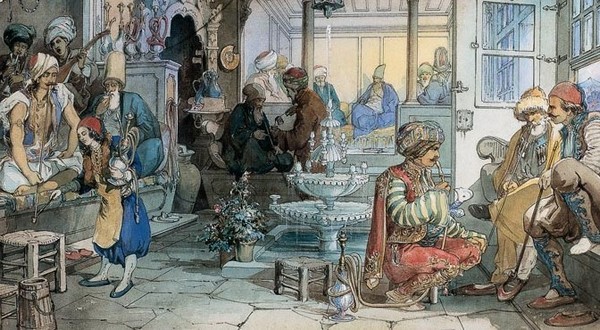
 Coffee then began to spread further around the world. It first fell into the hands of traveling European traders, who brought it to Venice in the late 1500s. It's no wonder that Italians still love this drink to this day. Espresso and latte are the most popular brewing methods. Almost immediately after the arrival of coffee beans, coffee shops opened in the country.
Gradually, coffee shops opened in other cities: London, Paris, Vienna, and Berlin. Drinking coffee in Europe was considered a special luxury and a privilege for the nobility.
The growing demand for coffee and its incredibly high price forced scientists to search for regions with suitable climates where coffee trees could be grown locally rather than imported from overseas. Martinique and the Antilles proved ideal locations. Suitable areas for coffee cultivation were also discovered in Asia and the Americas, where several European countries established colonies. It is believed that the seedlings of the first Brazilian coffee tree were stolen in Paris.
In 18th-century Italy, coffee was considered an intellectual and even political drink. Within 200 years of coffee's introduction to the country, hundreds of coffeehouses had opened, and people began gathering over coffee and discussing politics. Thus, coffeehouses became gathering places for the intelligentsia. In any case, the French and American Revolutions were born in coffeehouses. It's therefore not surprising that in the 17th century, the English king banned the sale of coffee in his country, much less the opening of coffeehouses.
One of the key factors in the spread of coffee in the United States was the excessively high taxes on tea in Great Britain. Americans didn't want to pay high prices for this drink and switched to coffee. Many years have passed since then, and coffee is still drunk here.
Today, coffee is the most popular drink, the second-most-sold commodity in the world after vegetable oil. More than 400 billion cups of this aromatic beverage are consumed worldwide each year.
If you are a coffee fan, you might be interested in Interesting facts about coffee.
Do you know when it became known?
The first archaeological evidence of coffee's existence dates back to 800 BC. It can be read about in Homer, and there are also references to it in various Arabian tales and legends. So, it's possible that it existed much earlier. Coffee has always been characterized as a black, bitter drink with a stimulating effect.
Some claim that a goatherd named Kaidi first discovered coffee beans after his sheep ate coffee leaves and then scared him with their cries all night. He also tried the plant and found that his mood improved significantly afterward. However, there are different stories about the origin of coffee, making it difficult to pinpoint its exact origin.
Another theory holds that coffee originally appeared in the country now called Ethiopia. From there, it spread to Yemen, Arabia, and Egypt. The first coffee trees were grown on the Arabian Peninsula around 1100 CE, and the drink derived from its fruit was called "gahwa." People soon began gathering to enjoy a cup of coffee, and by 1475 CE, the first coffee shop opened in Constantinople. It was immediately followed by the opening of the world's first two coffee houses!
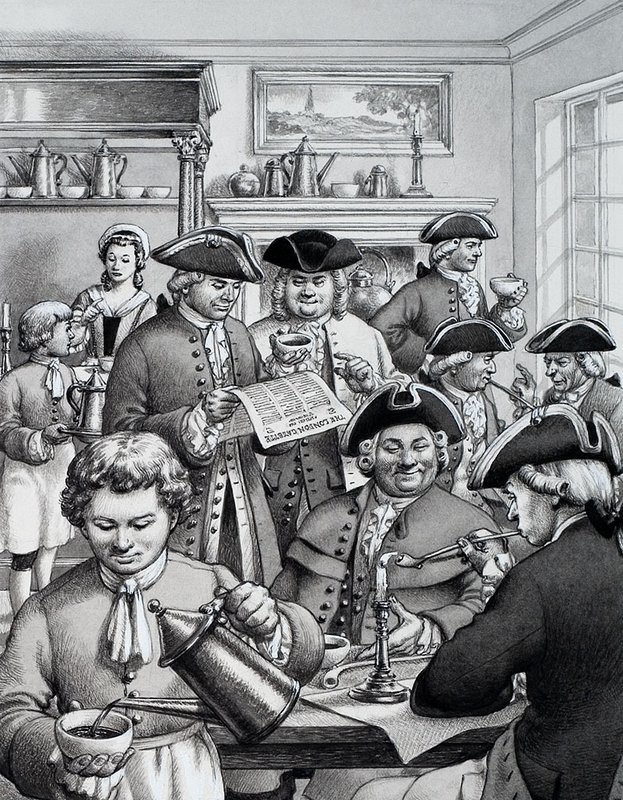 Coffee then began to spread further around the world. It first fell into the hands of traveling European traders, who brought it to Venice in the late 1500s. It's no wonder that Italians still love this drink to this day. Espresso and latte are the most popular brewing methods. Almost immediately after the arrival of coffee beans, coffee shops opened in the country.
Gradually, coffee shops opened in other cities: London, Paris, Vienna, and Berlin. Drinking coffee in Europe was considered a special luxury and a privilege for the nobility.
The growing demand for coffee and its incredibly high price forced scientists to search for regions with suitable climates where coffee trees could be grown locally rather than imported from overseas. Martinique and the Antilles proved ideal locations. Suitable areas for coffee cultivation were also discovered in Asia and the Americas, where several European countries established colonies. It is believed that the seedlings of the first Brazilian coffee tree were stolen in Paris.
In 18th-century Italy, coffee was considered an intellectual and even political drink. Within 200 years of coffee's introduction to the country, hundreds of coffeehouses had opened, and people began gathering over coffee and discussing politics. Thus, coffeehouses became gathering places for the intelligentsia. In any case, the French and American Revolutions were born in coffeehouses. It's therefore not surprising that in the 17th century, the English king banned the sale of coffee in his country, much less the opening of coffeehouses.
One of the key factors in the spread of coffee in the United States was the excessively high taxes on tea in Great Britain. Americans didn't want to pay high prices for this drink and switched to coffee. Many years have passed since then, and coffee is still drunk here.
Today, coffee is the most popular drink, the second-most-sold commodity in the world after vegetable oil. More than 400 billion cups of this aromatic beverage are consumed worldwide each year.
If you are a coffee fan, you might be interested in Interesting facts about coffee.
Votes: 1
All recipes with coffee
Categories:
Related articles