The history of black caviar

Sturgeon is one of the most ancient fishes, dating back more than 250,000 years. It is known that black caviar was consumed in Russia at the royal court since ancient times. Later, other classes of nobility also began to consume it.
Sturgeon is a large fish and difficult to catch, which is why the price of its caviar has always been very high. Those lucky enough to catch a sturgeon would display it alive for everyone to see before throwing a grand feast. Soon, caviar became less of a rarity. Russians traveling to Paris and other European cities for vacation always took a jar or two of caviar with them.
In the early 1900s, the United States joined the ranks of the largest producers of sturgeon caviar. They produced so much product that they sometimes couldn't sell it, forcing it to be fed to livestock. Caviar could be purchased in any bar in the United States. Bartenders served it with onions, pretzels, peanuts, and a variety of drinks.
Sturgeon were so overfished in the United States that they were quickly almost completely overfished. In 1906, commercial sturgeon fishing was banned in the country. Now, only sport fishermen can catch the fish, who, as is well known, catch, weigh, and release them. The stock is constantly monitored and regulated.
Throughout the 20th century, sturgeon were caught in the Caspian Sea. At a certain point, their numbers there also became dangerously low. In 1962, the Soviet Union was forced to impose restrictions on sturgeon fishing. Sturgeon are protected by the Convention on International Trade in Endangered Species of Wild Fauna and Flora.
There are currently approximately 2,000 sturgeon species worldwide. Some countries, such as the United States, prohibit the import of sturgeon caviar. However, there are farms that breed sturgeon specifically for this legendary delicacy.
Votes: 1
Categories
Culinary articlesSimilar material
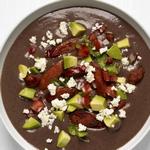
Slow Cooker Black Bean Soup with Chorizo

Black bean brownie

Grape granita with black currant

Black bean burgers

Pico de gallo with black beans

Angel Hair Pasta with Caviar and Lemon
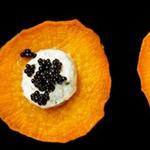
Sweet potato with black caviar
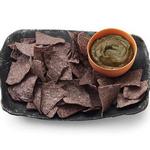
Black Marsh Black Bean Dip
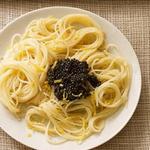
Capellini pasta with lemon and black caviar

Stuffed potatoes with eggplant filling

Black Bean Salad with Watercress

Black Bean and Avocado Quesadilla

Margarita with acai juice

Eggs stuffed with smoked salmon and caviar

Chocolate-coffee beer

Potato pancakes with caviar

Greek appetizer "Taramosalata" - caviar paste
Cuban Black Bean Soup with Sofrito

Black Bean and Mango Salsa

Black cherry ice cream with chocolate sauce

Black Bean Salsa

Black bean hummus

Black Bean and Corn Salad

The beneficial properties of kvass

The history of chewing gum

Pairing caviar with wine and beer
Black caviar in questions and answers
How to serve caviar and storage tips
What words should every black lover know?

The history of coffee

The Gastronomic History of Potatoes
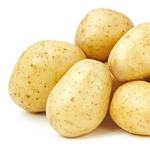
Potatoes. History of origin and useful properties