The best foods to boost immunity
Votes: 9
These foods help strengthen the immune system.

Products for immunity
Want to avoid fatigue or boost your immune system? When you go grocery shopping, add these 10 immune-boosting foods to your cart.
Citrus fruits

Tangerines, clementines, grapefruit, lemons, and limes contain vitamin C, which is known for its effectiveness in fighting infections. Many citrus fruits, such as Valencia oranges, Meyer lemons, red and pink grapefruits, and limes, are available year-round. Others, such as tangelos and mandarins, are sold in the winter and spring months.
Fermented foods
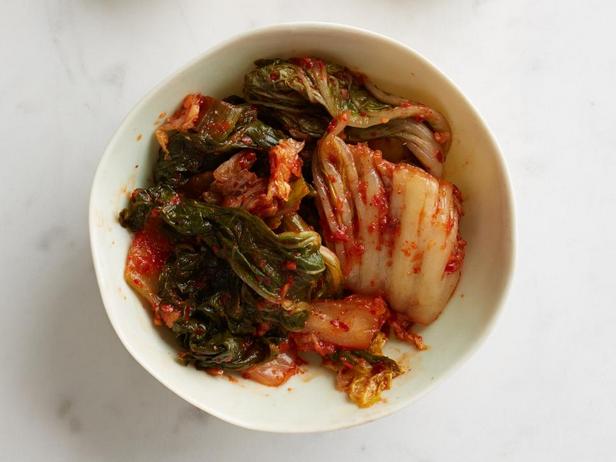
Probiotics ("good bacteria") found in fermented foods—sauerkraut, kimchi, miso, and tempeh—support digestive health. But that's not all they offer. According to a published review article, probiotics can help combat a number of immune-related conditions, including viral infections, allergies, and eczema. Furthermore, a 2019 study discusses a direct link between bacteria in fermented foods and the immune system, specifically examining the precise mechanism by which they work.
Seafood
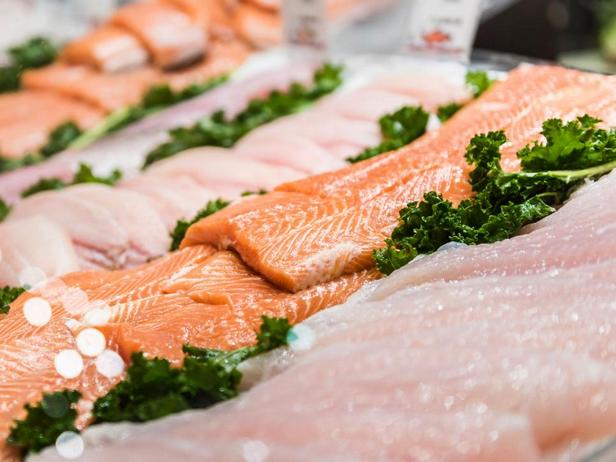
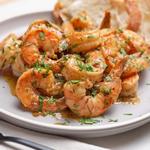
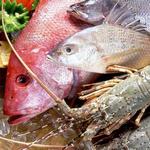
Seafood such as shrimp, tuna, halibut, and sardines contain the mineral selenium, which is essential in small amounts for a healthy immune system. Selenium helps protect the body from oxidative damage and infection. Other rich sources of selenium include beef, chicken, and cottage cheese.
Green tea

Green tea contains polyphenols, powerful antioxidants. A certain type of polyphenol, catechins, boosts the immune system and can counteract compounds that promote disease. When brewing green tea, steep the tea bag for the specified time (over-steeping will result in a bitter tea) and avoid adding milk, as it binds the polyphenols, making them less effective.
Sunflower seeds
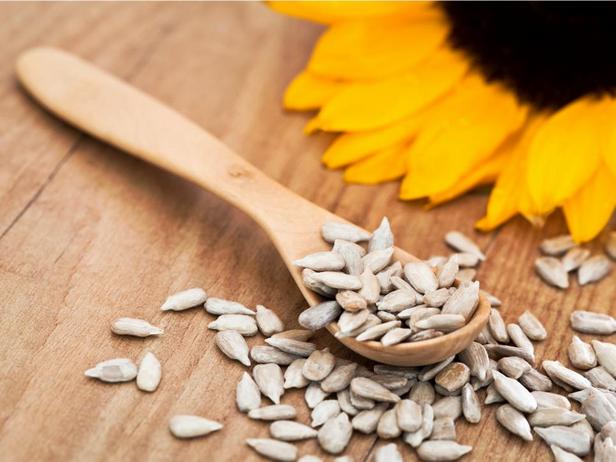
Two tablespoons of sunflower seeds provide about 30% of the recommended daily intake of vitamin E. This antioxidant helps scavenge free radicals. Vitamin E also promotes the formation of antibodies that fight pathogenic bacteria. Alternatively, try sunflower seed butter instead of seeds.
Chicken soup
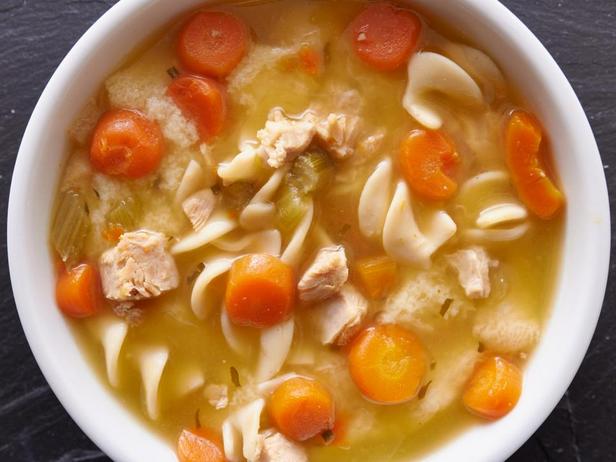
It's no coincidence that our mothers fed us hot chicken soup when we were sick. Studies have shown that this dish improves well-being and can shorten the duration of a cold. It's not entirely clear whether this is due to the combination of chicken and vegetables or the minerals and electrolytes contained in the broth. Either way, this soup is delicious.
Garlic
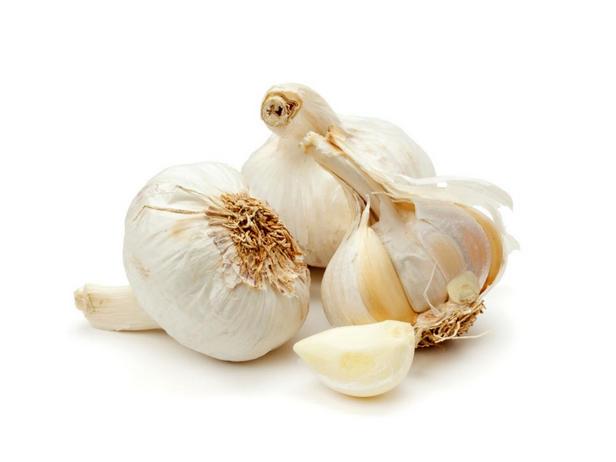
This aromatic vegetable contains antibacterial substances, especially the phytochemical allicin. Although chewing fresh garlic is not recommended (your loved ones won't be thrilled!), include it in your daily diet—add it to stir-fries, ground beef and chicken dishes, and salad dressings.
Red meat

Beef, pork, or lamb can be part of your healthy diet. Red meat is one of the best sources of zinc, which is essential for a healthy immune system. Choose lean cuts of beef, pork, or lamb to control your calorie and saturated fat intake.
Ginger
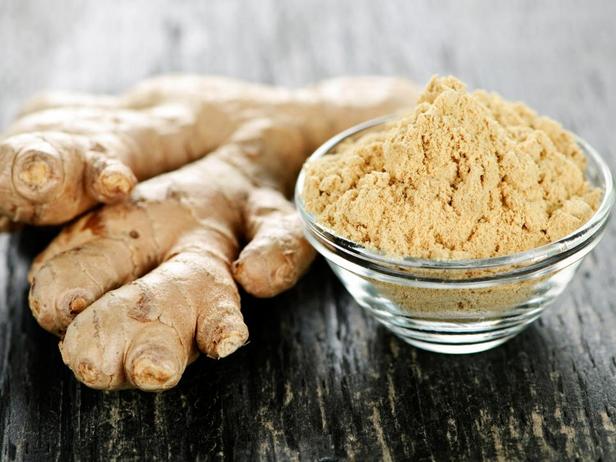
This vibrantly flavored rhizome helps reduce inflammation thanks to the phytochemicals it contains. These help fight inflammatory conditions, including sore throats. For double the benefits, combine ginger with antioxidant-rich foods (such as citrus fruits).
Bell pepper
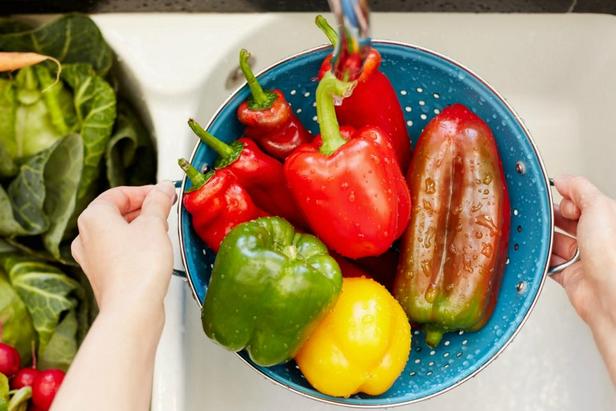
While citrus fruits are rich in vitamin C, bell peppers have even more! One medium-sized red bell pepper contains 253% of the recommended daily intake of this antioxidant vitamin. Add sliced peppers to omelets, stir-fry them with onions for fajitas, or dip them in hummus or guacamole.
Categories:
Similar recipes