Peanut flour
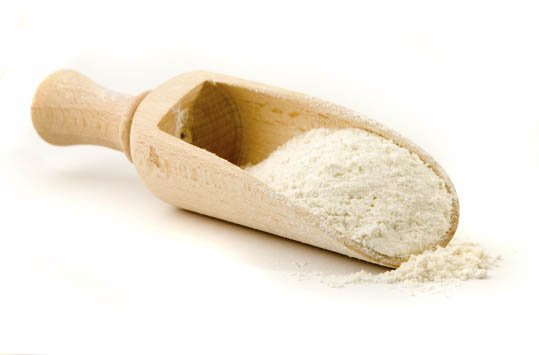
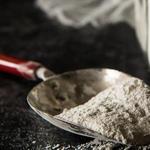
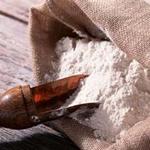
Peanut flour is the residue left over from peanuts after the oil has been pressed out. It's a great gluten-free alternative to traditional wheat flour. It's often used in cooking to enhance the flavor of various dishes and is also a popular ingredient in low-carb diets. Peanut flour is used in various sauces, soups, breads, cakes, and noodles, as well as protein shakes and bars.
To make flour, peanuts are roasted and shelled. The kernels are then crushed to produce peanut oil, which is sold commercially. Peanut oil is very popular in several countries and is used in cooking for frying foods. The remaining peanuts after the oil is extracted are dried and ground into powder. This is how peanut flour is produced.
Peanut flour's fat content and color vary slightly depending on the cooking method. It can be light, dark, or a mixture of colors, with fat content ranging from 12% to 28%. To obtain darker peanut flour, the nuts need to be roasted longer. The more roasted peanuts, the more fat they contain, and the more fat, the tastier they are.
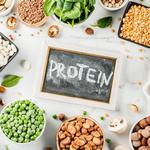
Peanut flour is also good because it's low in carbohydrates compared to white wheat flour. However, it's much higher in protein. While a cup of wheat flour contains about 13 grams of protein, a cup of peanut flour contains 31 grams of protein. This is why it's used in protein shakes and bars.
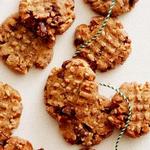
Chefs use peanut flour to thicken soups and sauces, and also add it to various side dishes and desserts to enhance their flavor. They sometimes partially or completely replace wheat flour used in pastries with it.
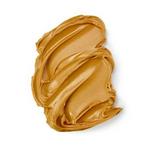
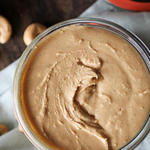
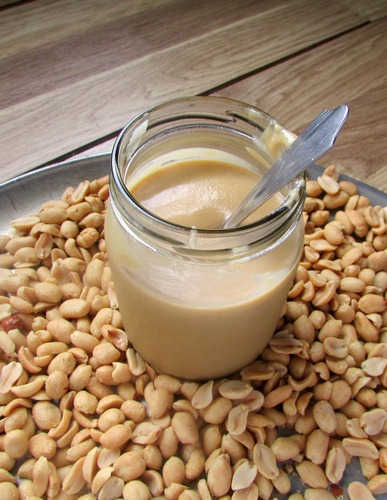
It's said that peanut flour can even be used to make peanut butter. To do this, add a small amount of peanut butter or water and mix until it forms a paste. Then add sugar and salt to taste. The resulting mixture is then used as a spread on sandwiches.
Categories:
Related articles