What Nutrition Experts Really Think About the Keto Diet
Find out what subtleties of the trendy diet may be cause for concern.
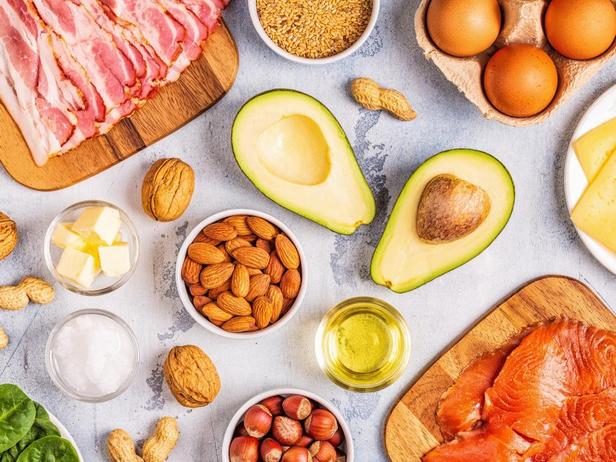
Controversies about the keto diet
People seem to be relying on the keto diet's popularity, but not all nutritionists support it. We spoke with 10 nutritionists from across America to get their thoughts on this high-fat, moderate-protein, and very low-carb diet.
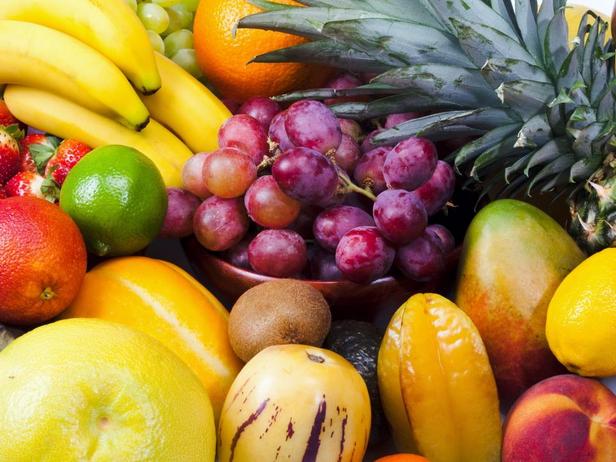
It excludes most fruits.
"I'm not a fan of the keto diet because it excludes most fruits, which are sources of many micro- and macronutrients, as well as vitamins," says Jonathan Valdez, owner of Genki Nutrition and spokesperson for the New York State Academy of Nutrition and Dietetics. "Nutrients found primarily in fruits include magnesium, potassium, folate, and vitamins A, E, and C. Research has established a direct link between adequate fruit consumption and a reduced risk of cardiovascular disease, cancer, obesity, osteoporosis, hypertension, depression, respiratory disease, and gastrointestinal disease. While you're on the keto diet, your risk of heart disease and stroke increases. Who needs that?"
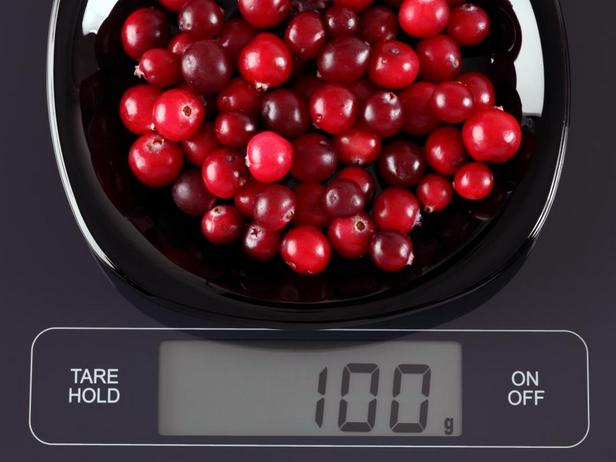
She is too strict
"To enter and maintain true ketosis, people must count carbohydrates, abstain from many food categories, monitor protein intake, and even limit their choices to specific foods within approved categories," says Malina Malkani, MS, RD, RD, spokesperson for the American Academy of Nutrition and Dietetics, and founder of Wholitarian Lifestyle. "For many, following such strict rules over a long period of time can be quite challenging, especially when factoring in social life (entertainment, work, social gatherings, etc.). We have strong evidence that the keto diet is effective in the short term, but there is less data on its health effects and long-term effectiveness. Without a long-term solution, the likelihood of returning to previous eating habits and regaining weight increases."
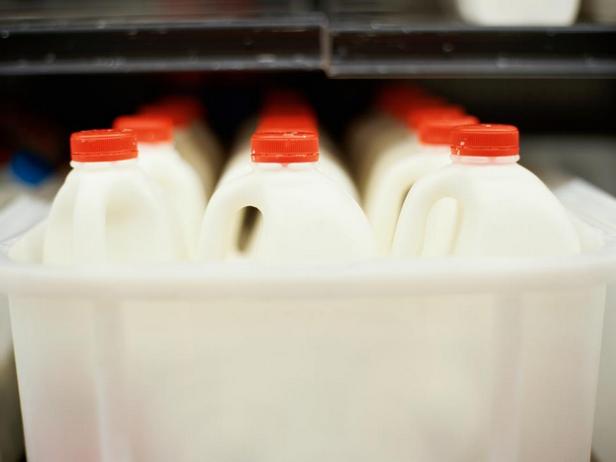
She only allows full-fat dairy products.
"I recommend consuming all dairy products, regardless of fat content," says Kate Ayoub, RD, RD, RD, and associate professor of pediatrics at Albert Einstein College of Medicine. "Whether it's milk, cheese, or yogurt, the protein, vitamins, and minerals are the same; these foods are very nutrient-dense. I know that full-fat dairy products have no advantage over low-fat or fat-free ones. There's no reason to avoid either." Ayoub explains that an inverse relationship has been established between milk and dairy consumption and obesity. But we're talking about full-fat and low-fat products—high-fat dairy products will contain more calories, which you'll need to cut back on elsewhere to prevent weight gain.
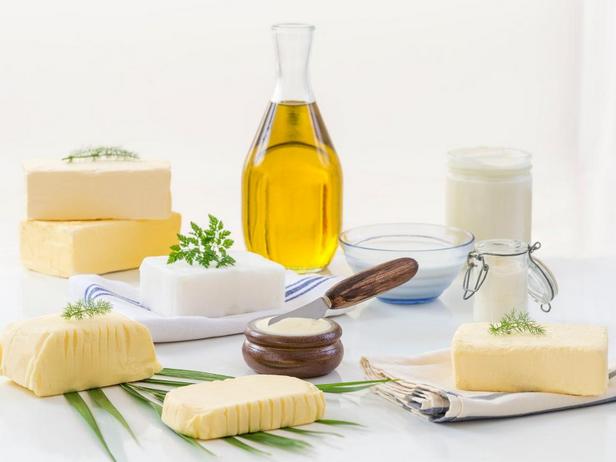
It encourages the consumption of unhealthy fats.
"I'm concerned that the consumption of fats like palm oil, coconut oil, cocoa butter, butter, and lard is encouraged in large quantities," says Carolyn O'Neill, MS, RD, a registered dietitian nutritionist. "These foods contain unhealthy saturated fats, which raise levels of 'bad' cholesterol (LDL), a risk factor for heart disease."
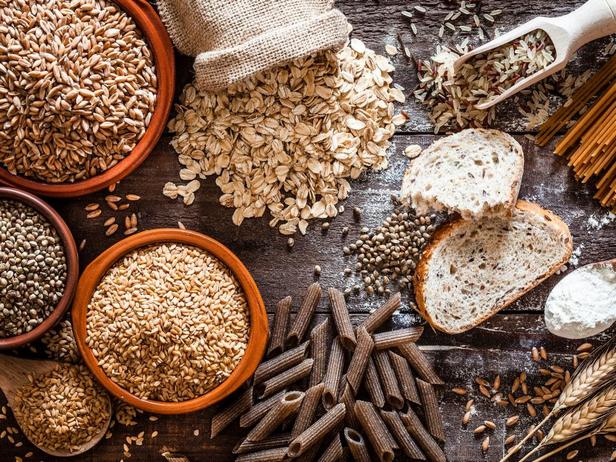
This is a low fiber diet.
Elizabeth Ward, MS, a registered dietitian with Better Is the New Perfect, is concerned about the long-term impact of inadequate fiber intake on the keto diet. "Research shows that higher-fiber diets are beneficial in reducing the risk of chronic diseases such as cardiovascular disease, type 2 diabetes, and diverticulitis," Ward explains. "Furthermore, consuming fiber from fruits, vegetables, and whole grains enriches the gut microbiome, promoting health."

You may experience keto flu.
Switching to a severely restricted carbohydrate intake can be a dramatic change for your body, and it may take some time to adapt. Kristen Smith, MS, RD, RD, a spokesperson for the Academy of Nutrition and Dietetics, explains, "For a few days at the beginning of the keto diet, some people may experience a combination of symptoms commonly referred to as the 'keto flu,' which can include nausea, headache, constipation, abdominal pain, and weakness. Because of these side effects when transitioning to a new diet, many people give up and return to their previous eating habits. It's important to stay hydrated and limit physical activity when transitioning to a keto diet." Not everyone will experience these symptoms when starting a keto diet, but anyone changing their eating habits should be aware of them.

It's not targeted at athletes correctly.
The keto diet is often targeted at athletes and active individuals, promising to improve their performance or body composition. "You'll see compelling reviews and a negative portrayal of carbohydrates. But athletes need carbohydrates to perform well," says Marisa Michael, MS, RD, RD, owner of Real Nutrition, LLC. "In studies of low-carb diets, athletes didn't perform better. They either performed worse than usual or the same, and their subjective ratings of physical performance were higher than when they ate enough carbohydrates. This means they could perform the same exercises, but they felt much worse during the workout. Additionally, athletes on the keto diet weren't able to reach high intensities." Your body uses carbohydrates during high-intensity exercise, such as intense bursts of speed, jumping, or any fast, intense movement. A keto diet can hinder your ability to achieve that winning sprint.
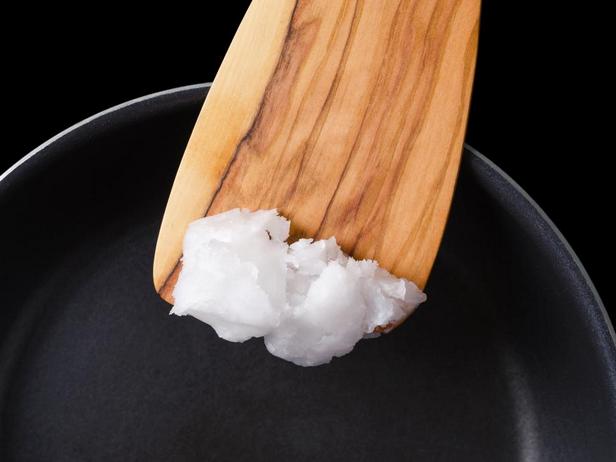
It contains a lot of coconut oil.
Coconut oil contains stearic acid, a saturated fatty acid that doesn't affect blood cholesterol levels, but unfortunately, the 60 percent saturated fatty acids in coconut oil significantly raise cholesterol levels, according to Joan Salge Blake, RD, a registered dietitian nutritionist, professor of nutrition at Boston University, and host of the SpotOn! podcast about nutrition and health. However, as Blake says, there's good news: "Coconut oil is an excellent skin moisturizer and hair conditioner. In other words, coconut oil is better applied topically than internally."

You can develop an unhealthy relationship with food.
"As a mother, I want to continually promote healthy relationships with food and healthy habits," says Jennifer Hunt, a registered dietitian and nutritionist with Healthy Inspiration. "Some adults or children may have medical reasons for following the keto diet, but I'm concerned about the mental image a child will have of their parents following this diet for weight loss. Because it severely limits fruits and vegetables, which contain beneficial vitamins, minerals, antioxidants, and fiber, I don't consider keto a healthy diet for families."

It is unsustainable in the long term.
"Strict diets that restrict all food categories, like keto, force people to choose: all or nothing," says Zoe Griffiths, a registered dietitian and CEO of Nutrition at WW. "Research shows that people achieve better results when a diet has structure and (at the same time) flexibility and applicability to everyday life, rather than just strict rules." Griffiths suggests a test for the diet's applicability in everyday life: ask yourself if you can live with it long-term. For example, can you eat your favorite foods and enjoy spending time with family and friends?" A healthy approach to eating results in a balanced diet with a flexible structure that fits easily into your life and helps you develop healthy habits," explains Griffiths.
 Recipe author - Food Network
Votes: 11
Categories
Healthy eating / Low-carb meals / Recipe collections / Food Network - recipes / Culinary articlesSimilar recipes

Coconut water smoothie with mango, bananas and

Wild rice side dish
Classic lo mein noodles
The Best Egg and Cheese Waffles with Greens (Keto Waffles)

Healthy Eating Tips for New Moms

Perfect couscous
8 "Healthy" Foods That Aren't Actually
Classic Irish Coffee
Gluten-free filling made from corn and rye
14 "Italian" Dishes That Aren't Actually Italian
Keto diet recipes for every taste
Chicken Parmesan Wings
Simple chicken soup with rice
14 Easy Keto Diet Snacks

Keto Cheddar Cheese Taco Chips
Tuna Salad in Lettuce Bowls (Keto Diet)

Black and white candies for the keto diet
Sweet Pepper Nachos (Keto Diet)

Pizza Snacks (Ket Diet)

Mediterranean Chicken in a Slow Cooker
Taco Bar: Build Your Own Taco
Pickle-flavored ice cream without an ice cream maker

Keto chili in a slow cooker

Chicken Tabaka in a frying pan

How to choose milk

Vanilla extract benefits and its advantages

Why are coffee beans roasted?

Pineapple
Natural white vinegar
"Healthy Snacks." What We Know About Snacks

Cooking a big meal in a small kitchen
How to cook a steak? We fry the meat correctly, and
Appetizers
Beer snacks
Cheese appetizers
Sandwiches
Snacks
Canapes
Assorted appetizers
Snacks with sauces
Meat appetizers
Fish appetizers
Vegetable appetizers
Egg appetizers
Soups
Cold soups
Creamy soups
Cream soups
Soups with dressings
Clear soups
Vegetable soups
Thick soups, stews
Meat soups
Fish soups
Soups with pasta and cereals
Main courses
Meat
Bird, game
Side dishes
Vegetables, mushrooms
Fish, seafood
Cereals, legumes
Eggs, dairy products
Pasta
Casseroles
Salads
Warm salads
Vegetable salads
Leafy salads
Fruit salads
Salads with cereals and pasta
Salads with meat
Salads with fish
Salads with eggs
Salads with beans
Salads with bread
Fast food
Hamburgers
Sandwiches
Hot dogs
Pizzas
Hot sandwiches
Tortilla Dishes
Pita dishes
Pancakes
Sauces for fast food
Deep-fried dishes
Sauces
Seasonings
Gravies
Dips
Spreads
Barbecue glazes and sauces
Salad dressings
Oil mixtures
Emulsion sauces
Sweet sauces
Hot sauces
Sauces for fast food
Grill, barbecue
Grilled meat
Grilled poultry
Grilled fish
Smoked dishes
Grilled vegetables and fruits
Grilled flour products
Barbecue glazes and sauces
Bakery
Savory pies, pizzas
Homemade bread
Potato pancakes, pancakes
Unsweetened buns, pies
Unsweetened cookies and muffins
Desserts
Cupcakes
Fruit desserts
Cookie
Cakes
Donuts, pies, buns
Candies and small sweets
Creams, sauces, mousses, puddings
Soufflé, meringues, meringues
Jelly
Ice cream, sorbets
Cakes
Sweet pies, tarts
Pancakes, fritters, waffles, toast
Breakfast cereals, granola, muesli
Drinks
Milkshakes
Smoothies, granitas
Coffee and chocolate based drinks
Fruit drinks, juices
Tea and herbal drinks
Hot drinks
Alcoholic cocktails
Cocktails with vodka
Cocktails with gin
Whiskey cocktails
Cocktails with wine
Cocktails with brandy, cognac
Cocktails with absinthe
Cocktails with rum
Cocktails with sparkling wine
Tequila cocktails
Cocktails with beer
Cocktails with liqueurs
Frozen cocktails
Cooking methods
Air fryer
Pressure cooker
Cold dishes
Multicooker
Stuffed dishes
Deep-frying
Double boiler
Pan
Baking tray
Foil
Oven
Roaster
Mixer
Blender
Brazier
Food processor
Microwave
Wok
Pickled dishes
Dried and cured foods
Pickled dishes
Poached dishes
Salty dishes
Smoked dishes
Canned goods
Seasonal dishes
Festive dishes
New Year
Christmas
Valentine's Day
March 8
Easter
May 1st
Halloween
Birthday
Party Dishes
Wedding dishes
Cocktail party
Dinner party
Mother's Day
Cuisines of the world
European
French
Italian
Spanish
Greek
English
Irish
German
Portuguese
Austrian
Polish
Russian
Scandinavian Swedish
Asian Chinese Japanese Thai Vietnamese Korean Filipino
Arabic Jewish Turkish
Indian
African Moroccan
American Hawaiian Cajun Canadian Tex-Mex
Latin American Mexican Venezuelan Argentine Brazilian
Caribbean Cuban Jamaican
Scandinavian Swedish
Asian Chinese Japanese Thai Vietnamese Korean Filipino
Arabic Jewish Turkish
Indian
African Moroccan
American Hawaiian Cajun Canadian Tex-Mex
Latin American Mexican Venezuelan Argentine Brazilian
Caribbean Cuban Jamaican
Categories
Breakfasts
Lunches
Dinners
Children's dishes
Dishes for future use
Budget recipes
Comfort food
Recipes for one
Recipes for two
Picnic
Backyard Recipes
Dishes for fans
Movie Night Dishes
Cooking methods
Food Network Recipes
Recipe collections
Recipes by ingredients
Healthy eating
Healthy breakfasts
Lunches
Dinners
Healthy snacks
Dishes rich in fiber
Gluten-free dishes
Low sodium content
Low-calorie dishes
Dishes for diabetics
Low-carb meals
Low fat content
Low cholesterol
Calorie content of prepared meals
Vegetarian dishes
Vegan dishes