14 "Italian" Dishes That Aren't Actually Italian
Votes: 21
You might be surprised to find that your favorite Italian restaurant dishes aren't as authentic as they seem.
"Fake" Italian dishes
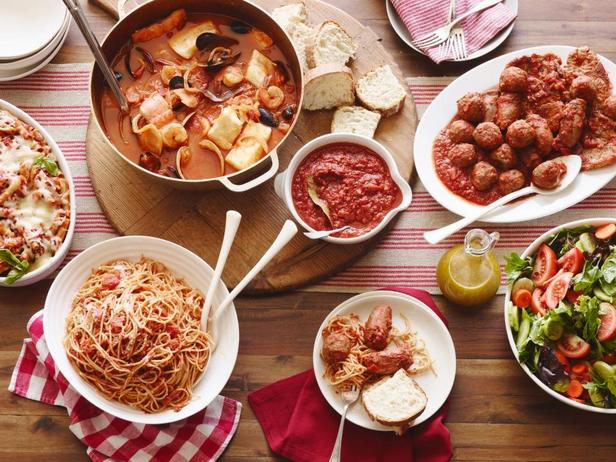
Italian food occupies a significant place in American cuisine. Firstly, it's delicious. Secondly, Italian immigrants who arrived in America over the past 200 years brought with them wonderful culinary traditions. Over the years, some dishes have evolved slightly, and some may never have been found in Italy. Here's a selection of dishes that aren't actually Italian.
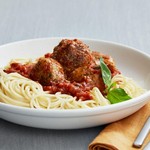
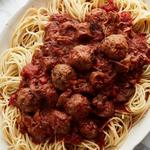
Spaghetti with meatballs
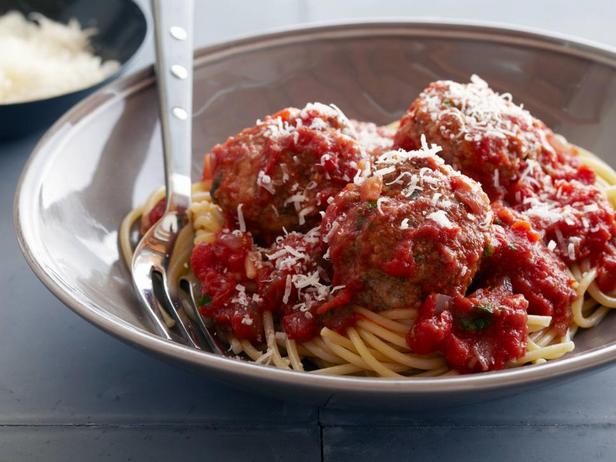
It would seem like a truly Italian dish. But no! It was invented in America (Italians eat meatballs separately), but that doesn't make it any less delicious.
Recipe: Real spaghetti meatballs
Marinara sauce
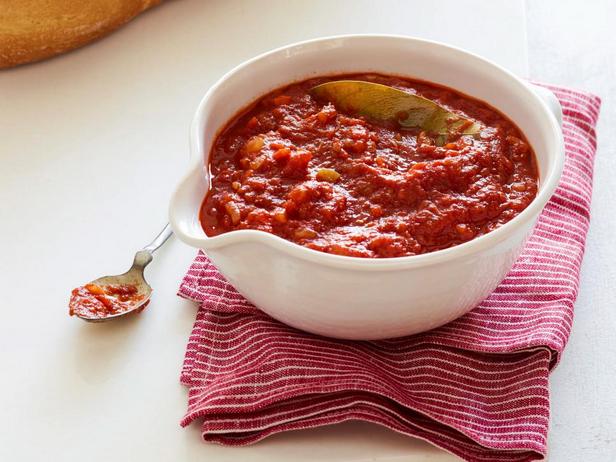
This tomato sauce is 100% Italian, but in its homeland it's called sugo di pomodoro. The word "marinara" means "sailor-style." The name comes from a story (probably fictional) about how sailors' wives would whip up a quick sauce when they saw their husbands' boats returning home.
Recipe: Tomato sauce for spaghetti
Garlic bread
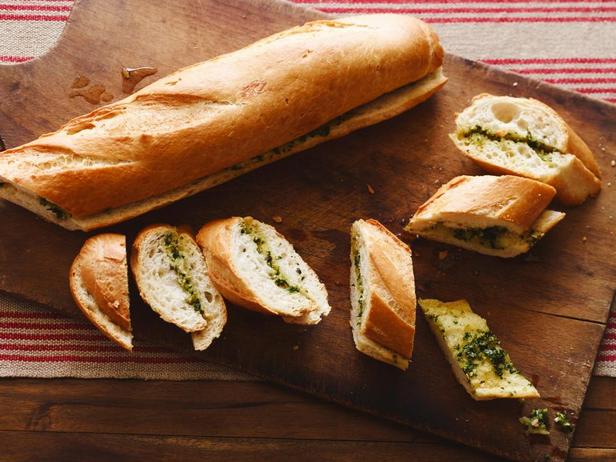
Toasted bread, buttered and rubbed with spices, is popular in Italy, but it's served in slices and called bruschetta. A whole loaf of bread, cut in half and baked with garlic, and especially generously sprinkled with mozzarella, is something else entirely.
Recipe: Garlic bread with herbs
Baked ziti pasta
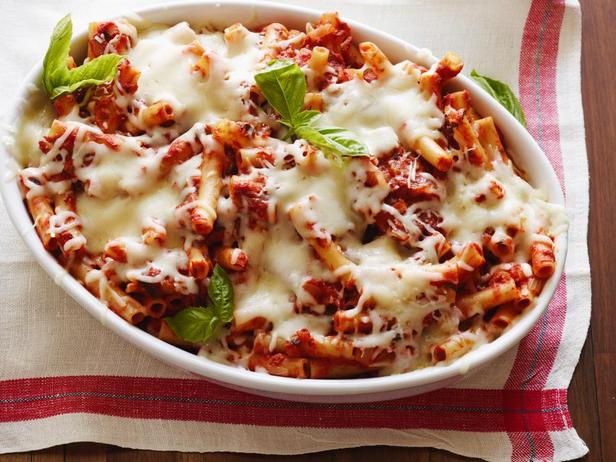
Baked pasta (pasta al forno) has a long and illustrious history in Italian cuisine. Specifically, ziti pasta, baked with tomato sauce and cheese (usually ricotta), is more of an Italian-American phenomenon. The recipe retains traditional features, but is not authentic.
Recipe: Macaroni and Cheese Casserole
Chicken Parmigiana
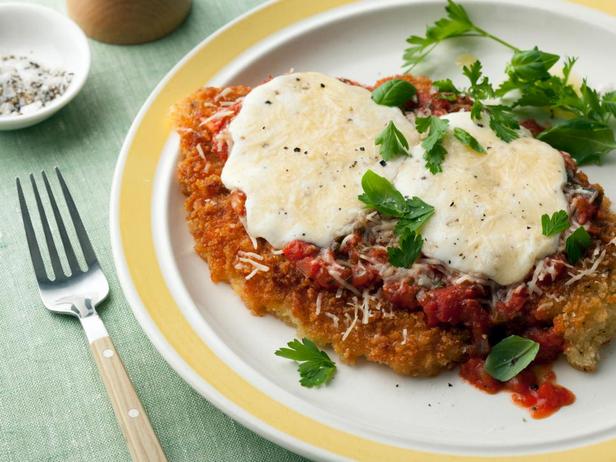
Eggplant Parmigiana originated in Sicily, and this version has been recreated more or less faithfully. The chicken (or veal) dish was created by immigrants to the United States and Canada, perhaps because meat was much more readily available than in the Old World.
Recipe: Chicken breasts with cheese
Fettuccine Alfredo
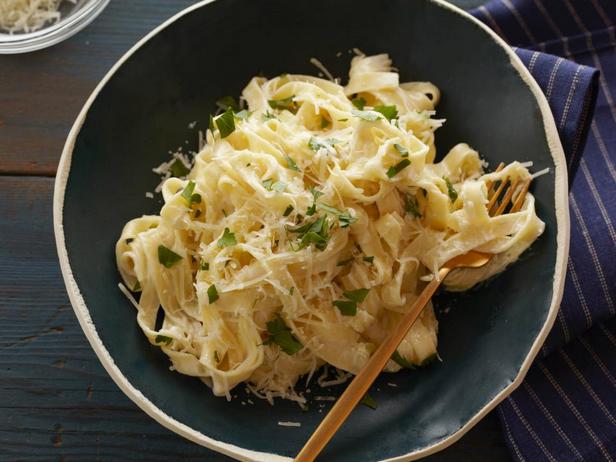
Technically, it's an Italian dish—it originated in a Roman restaurant—but in reality, it's unheard of in Italy. Even so, how can you be mad at macaroni and cheese with cream?
Italian dressing
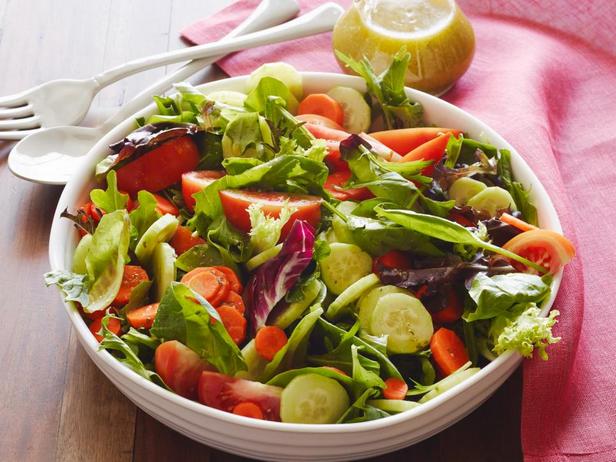
No, and no, again. There's no Italian recipe that even remotely resembles this dressing. Italian salads are dressed with oil and vinegar, each serving served separately. This dressing, however, originates from Missouri, and most likely got its name from the oregano and garlic it typically includes.
Recipe: Light salad in Italian dressing
Penne alla vodka
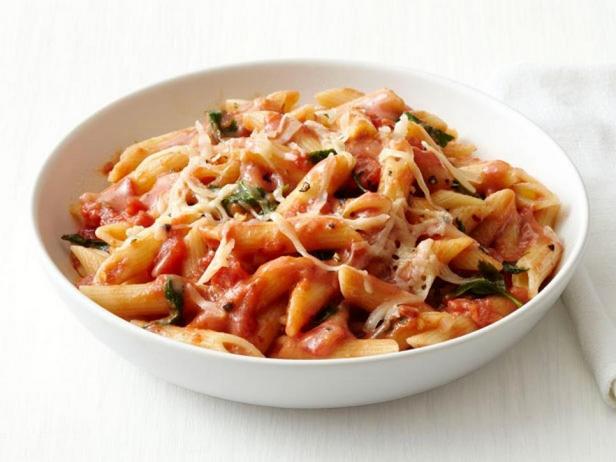
There's some controversy here. The dish isn't truly Italian, but it's possible it was invented there: either at the behest of vodka importers or by a chef who had one too many. No one knows for sure, but you won't find this pasta on menus in Italy.
Recipe: Penne pasta in vodka sauce
We recommend







Sunday sauce
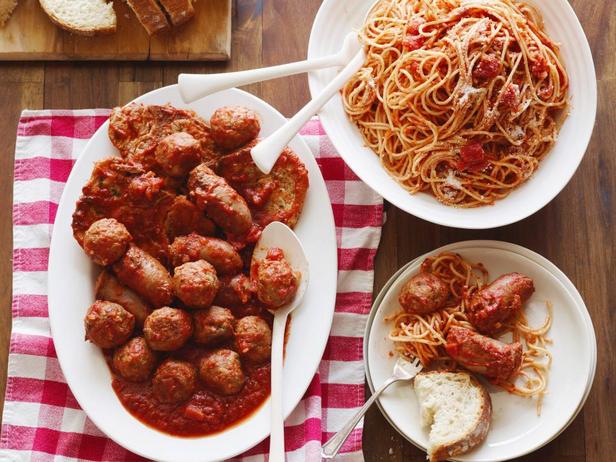
Meat stewed in tomato sauce is a very traditional Italian dish, although the tomato sauce is usually mixed with pasta and served as an appetizer, with the meat as a main course. Sunday sauce is more typical of American cuisine, where it has become an established tradition.
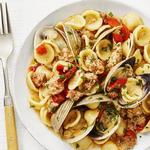
Cioppino
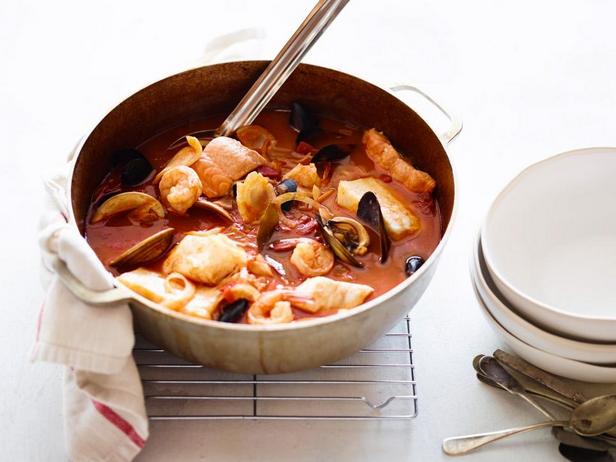
This soup is 100% San Francisco, where it was invented by Italian-American fishermen.
Muffuletta
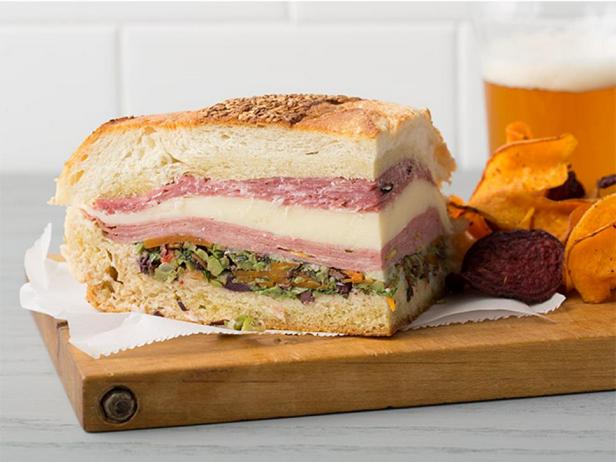
This sandwich was invented in New Orleans, influenced by the diet of Sicilian immigrants.
Sausages with peppers and onions

This one is more difficult to figure out. The combination is popular, but not traditional, except in Italian-American areas of the United States.
Neapolitan ice cream
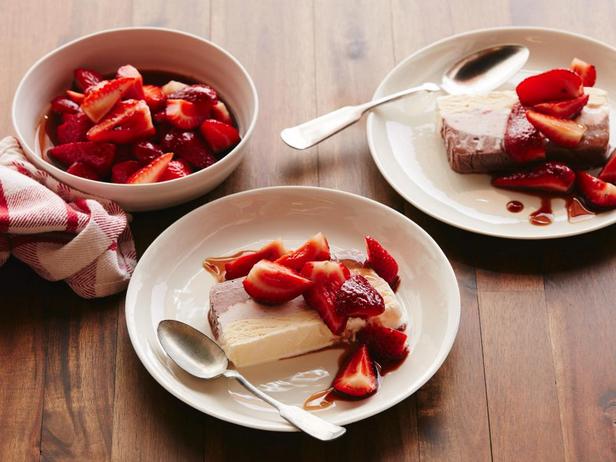
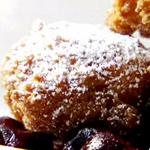
Layered ice cream? Definitely Italian (often called spumoni). Chocolate mixed with vanilla and strawberry? This combination was popularized in America and named after the cafes opened by Italian immigrants—that's where this ice cream was sold.
Pizza in pockets
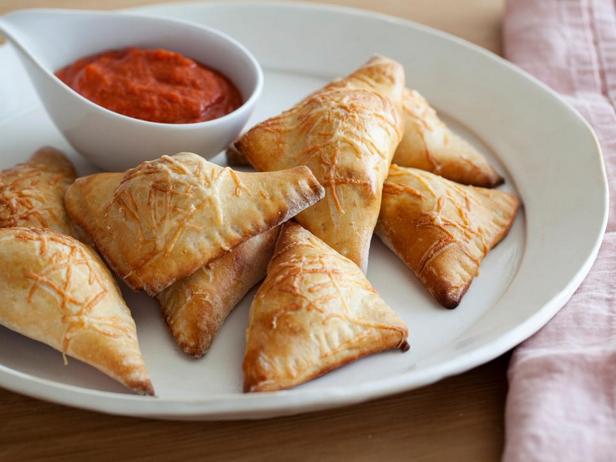
It's similar to calzones, which are truly Italian, originating in Naples. There, they're filled with cheese or meat (but without the tomato sauce—it's served separately for dipping). In this form, the appetizer is unmistakably American.
Recipe: Pizza in pockets
Recipes with similar ingredients: spaghetti pasta, penne pasta, pasta lasagna, orzo pasta, fusilli spiral pasta, fettuccine pasta, rigatoni pasta, linguine pasta, orecchiette pasta, capellini pasta, farfalle pasta, tortellini pasta, cavatappi pasta, bucatini pasta, meatballs
Categories:
Similar recipes