Why are coffee beans roasted?
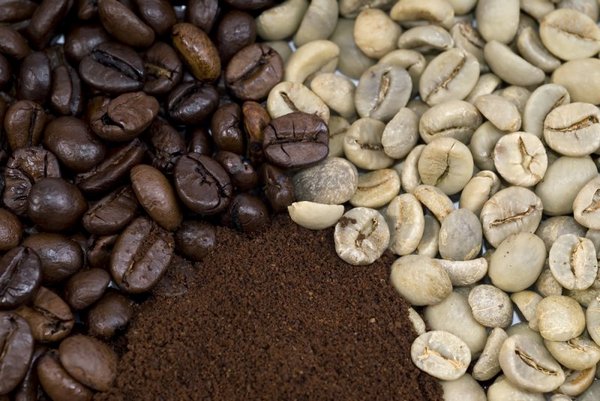
Many people visiting coffee plantations are surprised to see that the beans, or coffee beans, are not actually brown, as they are commonly seen in stores, but green. However, when they ripen, they acquire a beautiful reddish color. They also have a sweet aroma and taste. In Colombia, coffee is always harvested by hand. In many other coffee-producing countries, various harvesting machines are often used. In the latter case, not only the ripest, red beans are collected, but also the unripe, green ones.
After the coffee beans are picked and sorted, the most important part of processing begins: roasting. This is necessary for coffee to acquire the authentic coffee flavor we're all accustomed to. While coffee flavor depends on the variety and quality of the beans, the roasting method and time are equally important.
During roasting, coffee beans double in size and turn brown. Generally, the longer they roast, the darker they become. Typically, the beans are roasted for 10 to 20 minutes at 200-230°C (400-450°F). When the oven reaches 200°C (400°F), the beans crack. After they begin to crack for the second time, they are removed from the oven and immediately cooled.
When coffee beans are roasted, oils appear on their surface. The longer the beans are roasted, the less oil and caffeine they contain. Therefore, darker coffee beans contain less caffeine than lighter ones. However, the amount of caffeine also depends on the brewing method. If you brew with a lot of ground coffee and little water, you'll have more caffeine, but the coffee will also be stronger.
If coffee is roasted heavily, it may mask the flavor of lower-quality beans. Therefore, higher-quality coffee beans are usually not roasted very heavily, but they taste better. If coffee beans are only lightly roasted, they retain more oil.
Votes: 1
Categories
Culinary articlesSimilar material

Layered Dubliner Beer Cocktail
Cocktail with coffee liqueur and cream

Munich-style White Russian cocktail
Alcoholic jelly "Irish cream"

Coffee biscotti with macadamia nuts

Chocolate pot de crème

Corn salad with goat cheese

Cashew Coffee Biscotti

White Hot Chocolate: 2 Recipes with Alcohol
Coffee biscotti with chocolate chips

Guacamole with roasted corn and corn chips

Arugula and Pomegranate Salad

Coffee meringues with crushed chocolate

Movie Snack Recipes

Mini Coffee Cupcakes with Peanut Butter Frosting

Crème Anglaise

Popcorn with Parmesan and Paprika

Corn with tomatoes and basil

Coffee cake with Italian butter cream and

Chocolate and Coffee Espresso Cupcakes

Cupcakes "Tiramisu"

Latte Mochaccino

Wheat grains with rice and curry
Coffee and milk flavored ice cream

Coffee muffins

Basic coffee terminology
The right rice for sushi
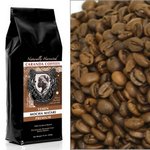
Yemeni coffee

Brazilian coffee

Coffee beans
Chocolate and coffee truffles with caramel and nuts

Peppercorns (allspice)