Natural white vinegar
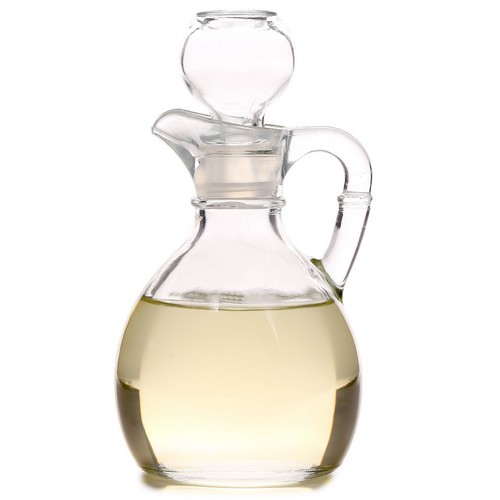
When many people hear the word "vinegar," they only think of traditional distilled white vinegar. In fact, there are different types of vinegar, but today we'll focus on natural white vinegar.
Natural vinegar can have a variety of flavors depending on its intended use. The most important aspect when choosing this product is its acidity, which helps combine ingredients in culinary dishes or fight harmful bacteria during preservation. The age and storage conditions of the vinegar are also important, as they can affect the final flavor of the dish. The type of water used for dilution is also important, determining whether the flavor will be sharp or mild.
Natural vinegar is produced by fermenting grains such as corn, wheat, or rice. These grains contain sugar, and the fermentation process converts it into alcohol. The alcohol continues to ferment with acids until acetic acid is formed. If vinegar is made from corn, it is colorless.
When choosing vinegar, pay attention to the type of grain it's made from, as this affects the flavor of the dish, especially if it's not cooked. Malt, corn, and wheat are always used to make vinegar, but other ingredients may also be included. The term "white vinegar" indicates that the vinegar is made from something other than grain, which can be so strong and sour that it easily overpowers other flavors and aromas.
The acidity of natural vinegar can vary from a very low 4% to a very high 8% for vinegar. In many dishes, from baked goods to preserves, acidity can significantly affect the flavor. For example, if baking vinegar is quenched with baking soda, then if it's highly acidic, more baking soda may be needed to prevent the dough from rising. Low-acid vinegar has a less tart flavor, which pairs better with sweet ingredients like sugar or liqueur.
Many vinegar producers don't actively advertise the water they use to make their vinegar. However, the presence of minerals and other natural components in the water can significantly affect the taste. Vinegar made with pure spring meltwater tastes significantly different from vinegar made by distilling and purifying the water. However, only professional tasters can assess the impact of the water used on the taste of vinegar.
Categories:
Related articles