Oyster Roast Picnic Etiquette
Oysters are considered a gourmet dish. They're not just eaten casually. There are rules and etiquette for eating them. In this article, we'll explain how fried oysters are prepared and eaten in restaurants along the US coast.
In America, this event is called "Oyster Roast," which translates as a picnic with oysters roasted over an open fire.

Oysters They are considered a gourmet dish. They are not eaten casually. There are rules and etiquette for eating them. In this article, we'll explain how fried oysters are prepared and eaten in restaurants on the US coast.
In America this event is called Oyster Roast which translates to a picnic with oysters roasted over an open fire.
Where do they serve oysters?
Oysters are served outdoors because the process is quite messy. You have to open the shells, scoop out the contents, and dispose of the waste. If you like wearing light or smart clothes, it's best to stay away from the oyster preparation area, as by the end of the meal you'll be so dirty you won't recognize yourself. It's best to wear something that won't show dirt and that you don't mind getting dirty.



What should you take with you?
You will need the following items:
1. A large, heat-resistant glove that you wear on your non-dominant hand. So, if you're right-handed, you wear the glove on your left hand, and vice versa. Of course, you can wear two gloves, but that'll be awkward. The oysters will be served hot. The glove is needed specifically to hold the shell.
2. A blunt, flat knife with a comfortable handle that fits well in your hand and won't slip. Otherwise, you could easily cut yourself on the hard oyster shell.
3. Something to dry your hands with—an old towel, rag, or a pack of paper towels. Sinks are often very dirty.
Of course, a place that prepares oysters should have all these items on hand. But it's a good idea to bring your own, too. This is especially true for the first point. It's awkward to use a glove that's too small or too big. It's best to go to the store in advance and choose the right size.
Drinks for oysters
You can use any drinks you like. Beer, white wine, and sparkling water work well.
Oyster sauces
Oysters are served with sauce in individual gravy boats, hot sauce in bottles, and saltine crackers. Lemon is rarely used. If you like your oysters with lemon, bring your own.
Preparation
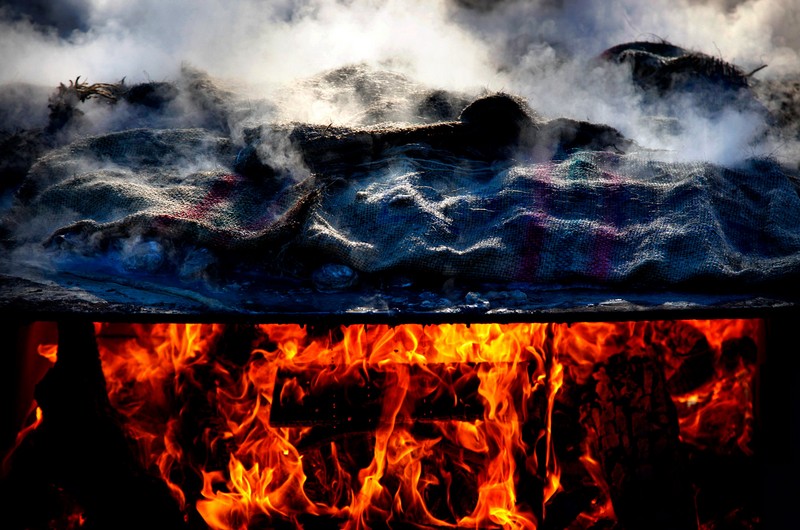
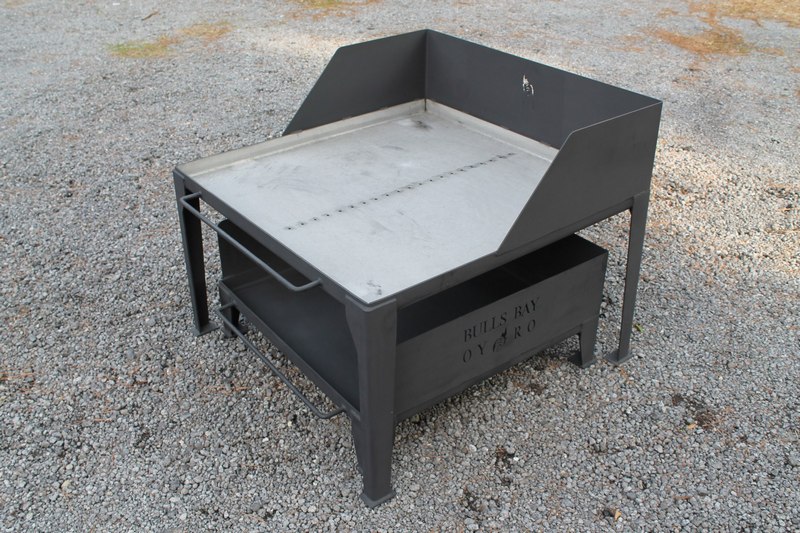
Oysters are dumped onto a hot metal sheet over a lit fire. A wet bag is placed on top of the oysters, and the heat evenly steams them. There is no tradition of conversation during the meal. Once the oysters are ready, everyone is so busy eating that there's no time for conversation.
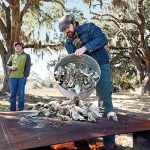
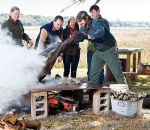



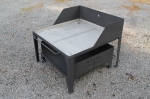
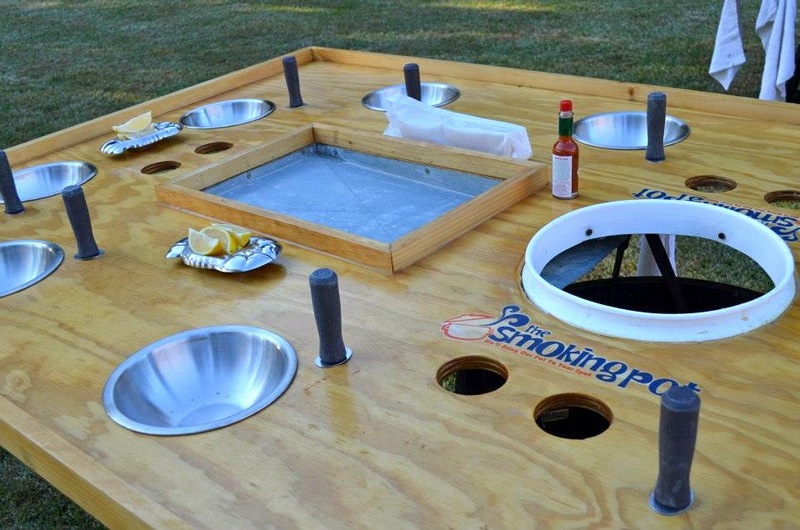
Oysters are served on long tables with holes beneath which are urns or plastic waste containers. Find a seat and wait. It's okay if there are strangers around you. Fried oysters, cooked outdoors, are a dish that brings people together.
Once you've found a spot at the table, you should place your belongings there, like a bottle of beer. If your spot isn't designated, hungrier customers might snatch your oysters right out from under your nose.
Finally, the oysters are cooked. They're brought out and laid out on the tables in large piles between the urn holes. No plates or cutlery here!
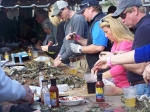
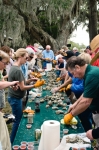
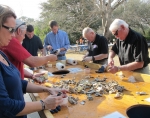
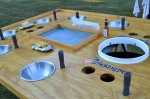
People eager to sample this fried seafood delicacy lose their politeness. Just a few minutes ago, you were chatting pleasantly with the intelligent elderly lady standing next to you, but now, upon seeing the oysters, she suddenly turns into a greedy shrew, ready to push you away and collect as many shells as possible.
You'll be served oysters of varying sizes. The rule is to take as many as you can, rather than trying to select only the largest ones.
The shells you've picked up should be opened with a knife. Why is it important to choose both large and small shells? Firstly, it's believed that you should treat animals with respect, no matter their size. Secondly, oysters in small shells can sometimes be surprisingly meaty and delicious.
To open the shell, place it flat side up in your palm. If the shell is slightly open, simply slide a knife between the shells and twist. If not, start poking around in the thickest part of the shell with the knife. If you can get the knife in, push it further and twist. It's certainly not an easy task, but if you succeed, you'll be rewarded with a delicious, juicy oyster stewed in its own juices.
Slide a knife under the oyster to release it from its shell. Now you have two options for eating it:
1. Remove the oyster by holding it with one finger and the other with a knife. You can eat it immediately or dip it in the sauce first.
2. Bring the shell to your lips and let the oyster and its salty juice slide into your mouth. You can sip a little if you can't get it all in one gulp.
Now, the empty shell should be thrown into the hole in the table. The trash cans located under the tables are intended only for empty shells. Cans, bottles, paper, and other trash should be thrown into other, specially designated bins.
If you happen to open the shell and find a tiny crab inside, celebrate your good fortune. The locals consider this a good omen, and they'll be happy to congratulate you. The crab won't bite you. You should eat it along with the oyster.
And one more thing. If you don't like the oysters because they're overcooked or undercooked, don't eat them. Step away from the table, have a beer, and wait for the next batch.
What do they do with the empty shells then?
You're probably wondering what happens to the shells left over from the oysters. They're then divided into two groups. The largest are saved for the local game of oyster tag. It's a bit like laser tag. The only difference is that players "kill" enemies not with laser weapons, but with regular shells, which they throw at each other with precision. Since the shells are sharp, they can cut players. That's basically the point of the game. In the end, everyone's happy, laughing, and heading to the first aid station to get their wounds bandaged.
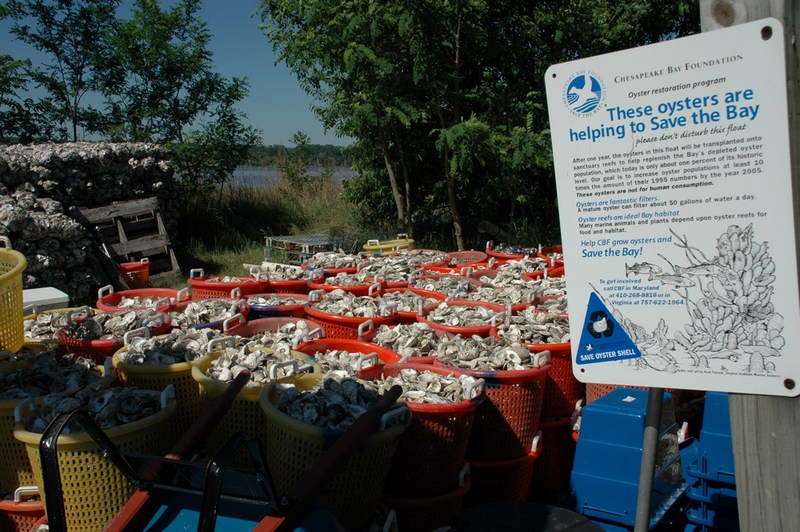
The remaining shells are taken to the Department of Natural Resources, which, in turn, distributes them in a special manner in coastal waters. Old shells provide good shelter for young oysters.

In America this event is called Oyster Roast which translates to a picnic with oysters roasted over an open fire.
Where do they serve oysters?
Oysters are served outdoors because the process is quite messy. You have to open the shells, scoop out the contents, and dispose of the waste. If you like wearing light or smart clothes, it's best to stay away from the oyster preparation area, as by the end of the meal you'll be so dirty you won't recognize yourself. It's best to wear something that won't show dirt and that you don't mind getting dirty.



What should you take with you?
You will need the following items:
1. A large, heat-resistant glove that you wear on your non-dominant hand. So, if you're right-handed, you wear the glove on your left hand, and vice versa. Of course, you can wear two gloves, but that'll be awkward. The oysters will be served hot. The glove is needed specifically to hold the shell.
2. A blunt, flat knife with a comfortable handle that fits well in your hand and won't slip. Otherwise, you could easily cut yourself on the hard oyster shell.
3. Something to dry your hands with—an old towel, rag, or a pack of paper towels. Sinks are often very dirty.
Of course, a place that prepares oysters should have all these items on hand. But it's a good idea to bring your own, too. This is especially true for the first point. It's awkward to use a glove that's too small or too big. It's best to go to the store in advance and choose the right size.
Drinks for oysters
You can use any drinks you like. Beer, white wine, and sparkling water work well.
Oyster sauces
Oysters are served with sauce in individual gravy boats, hot sauce in bottles, and saltine crackers. Lemon is rarely used. If you like your oysters with lemon, bring your own.
Preparation
Oysters are dumped onto a hot metal sheet over a lit fire. A wet bag is placed on top of the oysters, and the heat evenly steams them. There is no tradition of conversation during the meal. Once the oysters are ready, everyone is so busy eating that there's no time for conversation.
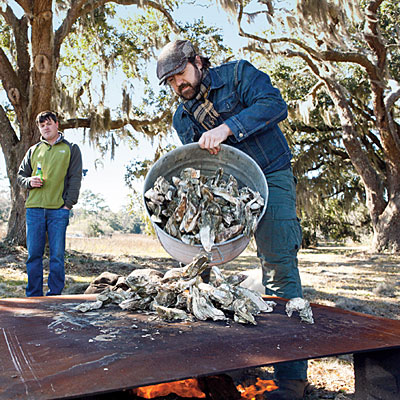
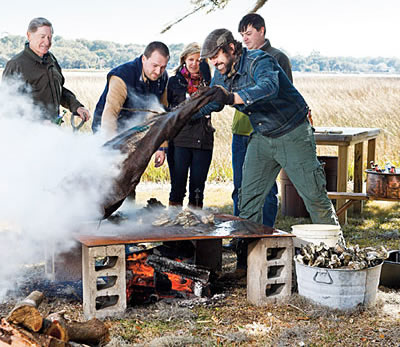

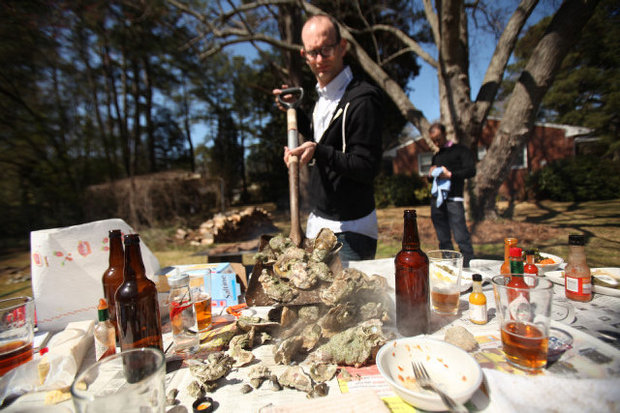
Oysters are served on long tables with holes beneath which are urns or plastic waste containers. Find a seat and wait. It's okay if there are strangers around you. Fried oysters, cooked outdoors, are a dish that brings people together.
Once you've found a spot at the table, you should place your belongings there, like a bottle of beer. If your spot isn't designated, hungrier customers might snatch your oysters right out from under your nose.
Finally, the oysters are cooked. They're brought out and laid out on the tables in large piles between the urn holes. No plates or cutlery here!
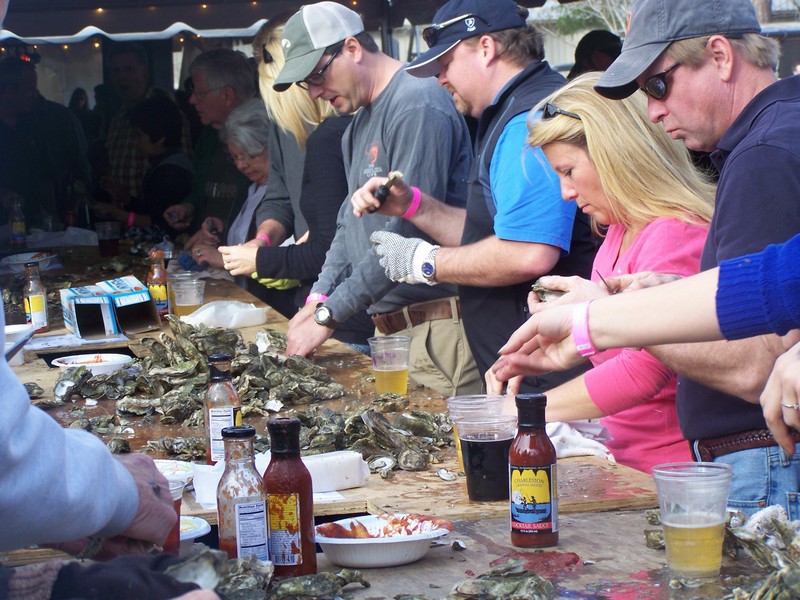
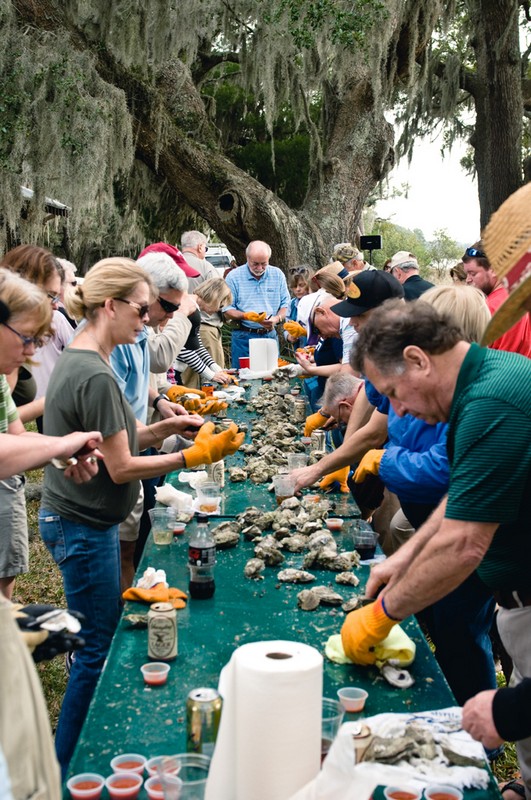
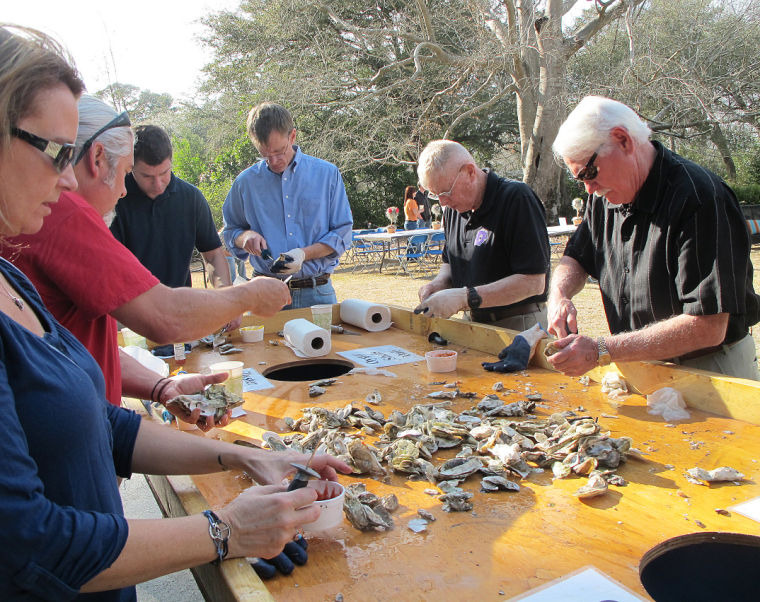
People eager to sample this fried seafood delicacy lose their politeness. Just a few minutes ago, you were chatting pleasantly with the intelligent elderly lady standing next to you, but now, upon seeing the oysters, she suddenly turns into a greedy shrew, ready to push you away and collect as many shells as possible.
You'll be served oysters of varying sizes. The rule is to take as many as you can, rather than trying to select only the largest ones.
The shells you've picked up should be opened with a knife. Why is it important to choose both large and small shells? Firstly, it's believed that you should treat animals with respect, no matter their size. Secondly, oysters in small shells can sometimes be surprisingly meaty and delicious.
To open the shell, place it flat side up in your palm. If the shell is slightly open, simply slide a knife between the shells and twist. If not, start poking around in the thickest part of the shell with the knife. If you can get the knife in, push it further and twist. It's certainly not an easy task, but if you succeed, you'll be rewarded with a delicious, juicy oyster stewed in its own juices.
Slide a knife under the oyster to release it from its shell. Now you have two options for eating it:
1. Remove the oyster by holding it with one finger and the other with a knife. You can eat it immediately or dip it in the sauce first.
2. Bring the shell to your lips and let the oyster and its salty juice slide into your mouth. You can sip a little if you can't get it all in one gulp.
Now, the empty shell should be thrown into the hole in the table. The trash cans located under the tables are intended only for empty shells. Cans, bottles, paper, and other trash should be thrown into other, specially designated bins.
If you happen to open the shell and find a tiny crab inside, celebrate your good fortune. The locals consider this a good omen, and they'll be happy to congratulate you. The crab won't bite you. You should eat it along with the oyster.
And one more thing. If you don't like the oysters because they're overcooked or undercooked, don't eat them. Step away from the table, have a beer, and wait for the next batch.
What do they do with the empty shells then?
You're probably wondering what happens to the shells left over from the oysters. They're then divided into two groups. The largest are saved for the local game of oyster tag. It's a bit like laser tag. The only difference is that players "kill" enemies not with laser weapons, but with regular shells, which they throw at each other with precision. Since the shells are sharp, they can cut players. That's basically the point of the game. In the end, everyone's happy, laughing, and heading to the first aid station to get their wounds bandaged.
The remaining shells are taken to the Department of Natural Resources, which, in turn, distributes them in a special manner in coastal waters. Old shells provide good shelter for young oysters.

Votes: 1
Categories:
Related articles