Tea ceremonies
There are many tea ceremonies around the world, from light and brief to long and meditative. In this article, you'll learn about the most famous.
If you're planning to attend any tea ceremony, read the etiquette rules beforehand. This will save you from unnecessary stress and subsequent embarrassment.
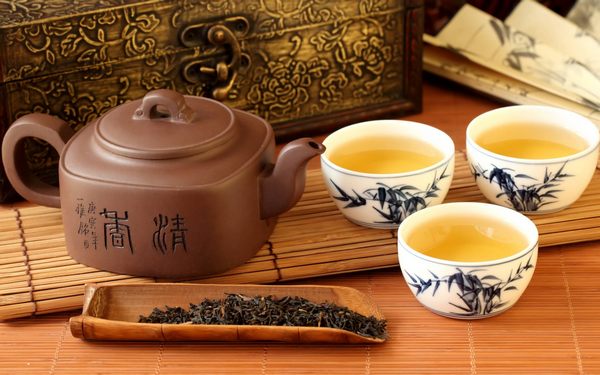
There are many tea ceremonies around the world, from light and brief to long and meditative. In this article, you'll learn about the most famous.
If you're planning to attend any tea ceremony, read the etiquette rules beforehand. This will save you from unnecessary stress and subsequent embarrassment.
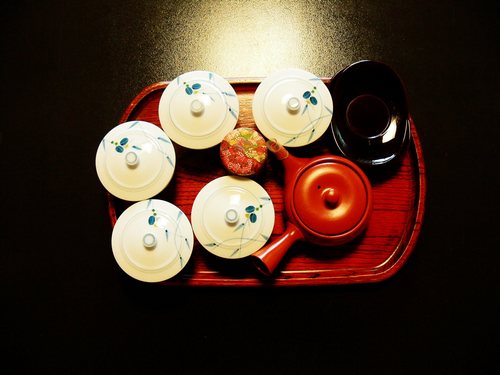
1. Japanese tea ceremony
The most famous tea ceremony is the Japanese one. In fact, when the phrase "tea ceremony" is used, this is precisely what is meant. It's called chanoyu (in Japanese, "chanoyu"), which translates as "tea water," or sado, which means "the way of tea." In ancient feudal Japan, only samurai and members of the royal family were allowed to participate in the ceremony, but today it is practiced in many wealthy households. It's a truly sacred ritual, involving specific stylized movements, a very strict protocol, a large bowl of matcha green tea, and tiny Japanese sweets called wagashi.
When brewing tea in Japan, special utensils are used. The utensils, the room decor, and the selection of sweets for tea change with the seasons. This symbolizes the fleeting nature and ephemeral nature of life. A distinctive feature of the Japanese tea ceremony is the need to be very mindful of what you are doing, whether you are the host or the guest.
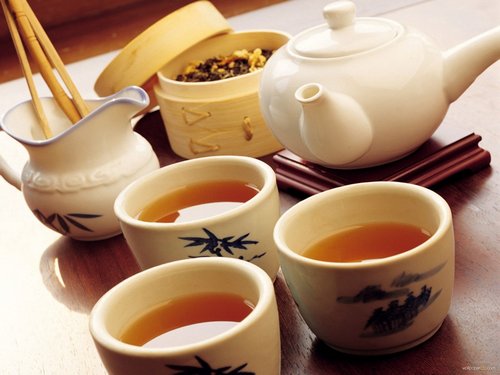
2. Gong Fu Cha
Gong fu cha is a form of Chinese tea ceremony. The words "gong fu" can be translated as "tea with skill." The purpose of this procedure is to awaken maximum sensuality during tea drinking.
The ceremony includes the following items: a small teapot made in Yixing, eastern China, small cups, and a variety of other tea utensils, seemingly unnecessary but traditionally required. Pu-erh or oolong tea is most often brewed during the gong fu cha ceremony, but white, red, black, and green teas can also be used.
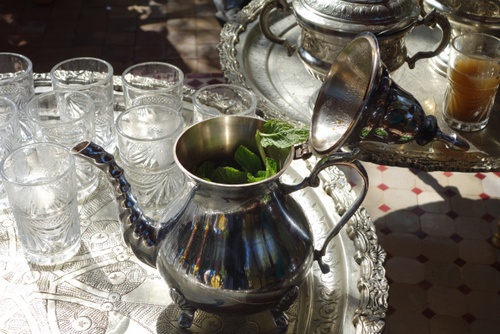
3. Moroccan mint tea brewing ceremony
Traditionally, only men participated in this ceremony, but today women can also participate. Mint leaves and powdered green tea are steeped, then a generous amount of sugar is added. The tea is poured into small glasses, with the teapot held high above the glasses. The tea is then consumed immediately. This is very difficult because the tea is very hot and can burn your fingers. But don't rush. The tea is sipped slowly and slowly, and sometimes food is served with it.
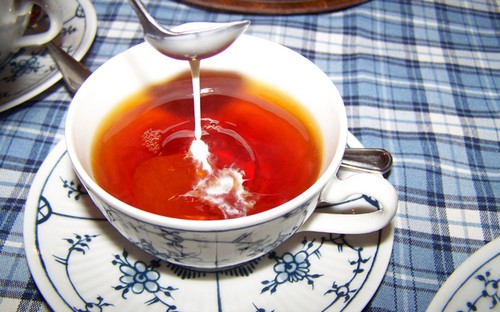
4. Tea drinking in Germany
In eastern Germany, there's a custom of drinking tea when a guest arrives. This involves brewing black tea with sugar and heavy cream (not milk!).
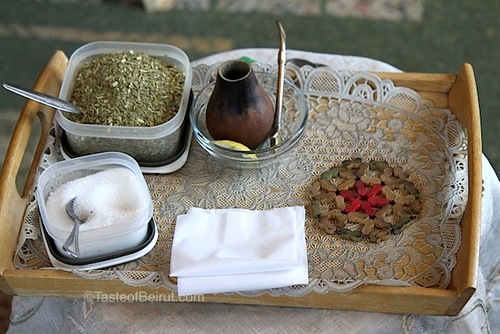
5. Mate brewing ceremony
In some regions of South America, there's a tradition of drinking mate tea. Mate isn't actually a tea at all, it's just an herb. During this ritual, gauchos, or local cowboys, sit around a hollowed-out gourd filled with mate and drink the tea through metal straws with filters. Today, in this region, mate is drunk from gourds, both at home and outdoors.
Of course, these are far from all the well-known tea ceremonies. If you enjoy drinking tea and various brewing methods, sooner or later you'll become familiar with many other ceremonies and rituals.
If you're planning to attend any tea ceremony, read the etiquette rules beforehand. This will save you from unnecessary stress and subsequent embarrassment.
1. Japanese tea ceremony
The most famous tea ceremony is the Japanese one. In fact, when the phrase "tea ceremony" is used, this is precisely what is meant. It's called chanoyu (in Japanese, "chanoyu"), which translates as "tea water," or sado, which means "the way of tea." In ancient feudal Japan, only samurai and members of the royal family were allowed to participate in the ceremony, but today it is practiced in many wealthy households. It's a truly sacred ritual, involving specific stylized movements, a very strict protocol, a large bowl of matcha green tea, and tiny Japanese sweets called wagashi.
When brewing tea in Japan, special utensils are used. The utensils, the room decor, and the selection of sweets for tea change with the seasons. This symbolizes the fleeting nature and ephemeral nature of life. A distinctive feature of the Japanese tea ceremony is the need to be very mindful of what you are doing, whether you are the host or the guest.
2. Gong Fu Cha
Gong fu cha is a form of Chinese tea ceremony. The words "gong fu" can be translated as "tea with skill." The purpose of this procedure is to awaken maximum sensuality during tea drinking.
The ceremony includes the following items: a small teapot made in Yixing, eastern China, small cups, and a variety of other tea utensils, seemingly unnecessary but traditionally required. Pu-erh or oolong tea is most often brewed during the gong fu cha ceremony, but white, red, black, and green teas can also be used.
3. Moroccan mint tea brewing ceremony
Traditionally, only men participated in this ceremony, but today women can also participate. Mint leaves and powdered green tea are steeped, then a generous amount of sugar is added. The tea is poured into small glasses, with the teapot held high above the glasses. The tea is then consumed immediately. This is very difficult because the tea is very hot and can burn your fingers. But don't rush. The tea is sipped slowly and slowly, and sometimes food is served with it.
4. Tea drinking in Germany
In eastern Germany, there's a custom of drinking tea when a guest arrives. This involves brewing black tea with sugar and heavy cream (not milk!).
5. Mate brewing ceremony
In some regions of South America, there's a tradition of drinking mate tea. Mate isn't actually a tea at all, it's just an herb. During this ritual, gauchos, or local cowboys, sit around a hollowed-out gourd filled with mate and drink the tea through metal straws with filters. Today, in this region, mate is drunk from gourds, both at home and outdoors.
Of course, these are far from all the well-known tea ceremonies. If you enjoy drinking tea and various brewing methods, sooner or later you'll become familiar with many other ceremonies and rituals.
Votes: 1
Categories:
Related articles