11 Healthy Morning Habits from Nutritionists
Votes: 8
Start your day right with these simple tips.

A healthy start to the day
Think about it: what do you usually do every morning? Everyone has their own morning routine—healthy or not. We asked American nutritionists what habits they follow every morning, and here's what they shared.

Drink a glass of water
Many nutritionists swear by a glass of water in the morning, including Michelle Fumagalli, a nutritionist and owner of Fit Plate Nutrition. Fumagalli says she drinks about 300 ml of water every morning before breakfast, tea, or coffee. "My husband and I help each other keep track of this." This accountability is a great way to maintain the habit! Fumagalli explains that our bodies are 60% water. "Water is essential for the proper and optimal functioning of organs, tissues, and many bodily functions. We know how important it is to drink enough water—so why not start right after waking up?" While you shouldn't expect miracle results from this habit, it will help restore your hydration balance.

Drink a cup of hot tea
Melissa Nieves (RD, MPH, and founder of the blog Fad Free Nutrition) loves a cup of hot tea after waking up. "My favorites are green tea, hibiscus tea, and turmeric tea. I've found that a hot drink in the morning is calming and helps me start the day in a peaceful mood." Nieves adds that tea is a good source of antioxidants like polyphenols and catechins, which "help me feel like I'm starting my day on a healthy note!"

Morning walk
If you find it difficult to get up in the morning and find time for breakfast, how about going for a walk at 6:30 a.m.? That's exactly what Lisa Andrews, RD, MS, owner of Sound Bites Nutrition, does every day. "Three times a week, I meet friends at 6:30 a.m. for a walk after the kids leave for school." She loves going on regular walks with friends because "we help each other stick to the routine. We show up even when it's cold or rainy, and it's a great way to stay connected. Walking also helps maintain a healthy weight and blood sugar levels, which can be more difficult to manage as you age."

Breakfast
Nutritionists actually practice what they recommend. Kathleen Meehan, MS, a certified intuitive eating consultant, says, "It's crucial for me to eat something in the morning, otherwise I'm sleepy, groggy, and hungry. Food fuels my body, and eating regularly throughout the day is an important part of self-care. I make time for breakfast (even if it's a quick snack or on the go!), no matter what."

Gratitude practice
A morning routine isn't always about food. Katie Dodd (a member of the Academy of Nutrition and Dietetics and author of a blog about geriatric nutrition) says that every morning she writes down at least five things she's grateful for. "Breakfast and exercise have long been part of my routine, but practicing gratitude has changed the way I start my day. A grateful mindset helps me appreciate who I am and what I have, and it helps me make better decisions throughout the day."
Add protein to your breakfast
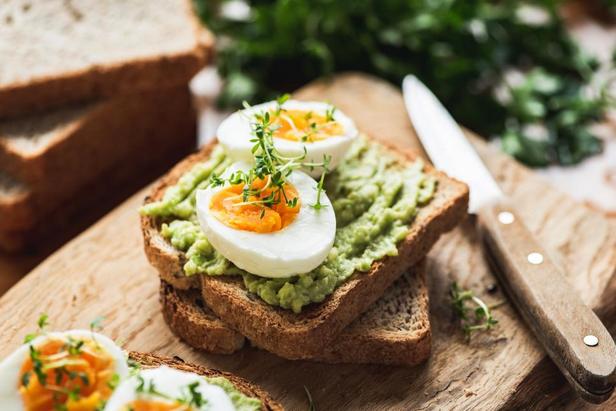
It's not just when you eat that matters, but also what you include in your breakfast. Michelle Loy, a registered dietitian at Go Wellness (personalized nutrition therapy), says, "It's essential to include a source of quality protein in your breakfast every day—typically eggs, yogurt, or nut butter." Protein is digested more slowly, so you'll feel fuller longer afterward. "This not only satisfies my hunger but also stabilizes my energy levels, helping me focus while working," says Loy.
Plan your dinner
Sometimes morning routines involve planning, as Casey Barnes, owner of the blog Mama Knows Nutrition, does. "Before I start my day, I always decide what to make for dinner that night. I check to make sure I have the ingredients, and if I have a few minutes, I prep some of the ingredients. At the end of the day, I'm tired and need to quickly whip up dinner for the family. A healthy dinner is much easier if I have everything prepared. Plus, I won't feel overwhelmed and distracted in the evening!"

Include at least two food groups in your breakfast
It's important not only to remember about breakfast but also to maintain a balance, as Ilana Buchbinder, MSc in biotechnology and pediatric dietitian, does. Buchbinder makes sure her breakfast includes at least two food groups, which "helps stabilize blood sugar levels and ensure you get enough fiber, protein, and/or healthy fats." Her favorite breakfast combinations include a vegetable omelet with fruit, oatmeal with cinnamon and nuts, or high-fiber cereal with milk.
Froth milk for coffee
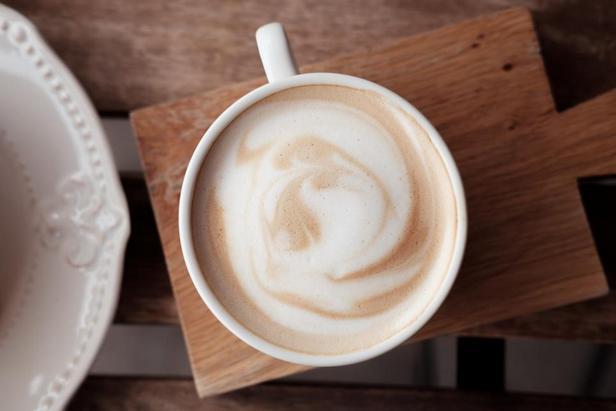
Instead of rushing to the coffee shop for a sophisticated drink, Joan Salge Blake (a professor at Boston University and host of the healthy lifestyle podcast SpotOn!) invested in a milk frother. "It makes my coffee indistinguishable from a cappuccino, and it's cheaper than going to the coffee shop," says Salge Blake. "From a nutritional standpoint, I add at least 1/3 cup of skim milk to my cup, which foams better than whole milk. After my third (and final) cup of coffee, I've added at least a glass of milk to my morning routine. And milk is a delicious source of calcium, potassium, and vitamin D—three nutrients that many people lack in their diets."

Spend 5 minutes doing yoga
"To keep my digestive system running like clockwork, in addition to a healthy diet, I regularly practice yoga in the morning—twists, forward bends, and stretches," says Cheryl Mussatto, a clinical nutritionist, adjunct professor, and author of "The Nourished Brain." Mussatto views yoga as a kind of internal massage for the organs. "This early morning exercise improves circulation in the intestines, which aids digestion and reduces gas, cramping, and bloating."
Stick to a routine
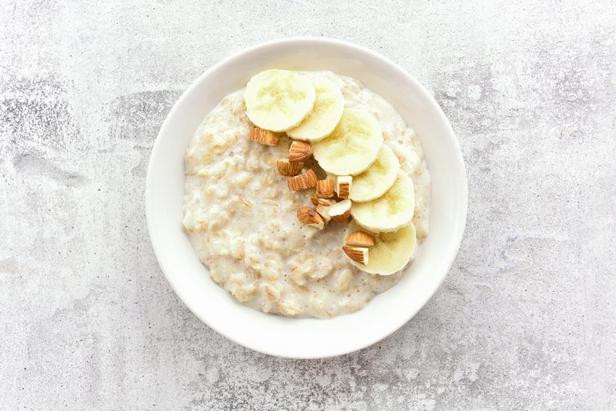
For many people, following a consistent daily routine is important. Toby Smithson (author of Diabetes Meal Planning for Dummies and founder of DiabetesEveryDay) says consistency is key to diabetes management. "Every morning, whether at home or traveling, I stick to the same routine." Smithson's breakfasts include whole-grain oatmeal with almonds, cinnamon, and sweetener, along with soy sausages for extra protein. "When I travel, I can take this breakfast with me. For extra protein, I stir in hemp seeds. A nice bonus is that I only need boiling water or a microwave for this breakfast."
Categories:
Recipe collections






Similar recipes