Greek cuisine and health

Scientists conducted a study on the benefits of the Mediterranean diet for heart health, which showed that it is indeed beneficial. The first subjects were residents of Crete. Throughout their lives, they consumed the following foods.
1. Starch. Don't avoid starch or complex carbohydrates., which are found in bread and pasta. Starch is the body's primary source of energy. Delicious Greek pasta dishes like kritharaki or orzo, as well as Greek bread, will provide you with all the starch you need.
2. FibersWhole, unprocessed grains, legumes, lentils, and nuts are the best sources of fiber. In Greece, there's a delicious soup called fassolada, made with beans, vegetables, and olive oil.
3. Fresh fruitsMake fresh fruit a part of your daily diet. Greeks regularly eat figs, pears, plums, grapes, melons, and oranges. In Greek homes, these fruits are often served for dessert.
4. Green vegetablesIn addition to fruits, Greeks also eat a large amount of leafy green vegetables and herbs. These include dandelion greens, spinach, fennel, Swiss chard, purslane, and mustard greens. Some of these plants can be found wild in Greece and Crete, while others have been cultivated in gardens and on farms for centuries, making them an integral part of the diet. Greek cuisine.
5. Olive oilGreeks consume a lot of oil. Per capita, they consume half a cup a day. If possible, use olive oil in all dishes that call for fat.
6. Cheeses and dairy productsGreek cheeses are made from sheep's or goat's milk, so they are low in fat and more easily digestible than cheeses made from cow's milk. Greeks also love yogurts, which are consumed in pure form or used in the preparation of sauces, desserts and snacks.
7. Fish and seafoodEvery part of Greece is located relatively close to the sea, no more than 140 km away. Hundreds of kilometers of coastline, as well as the Greek islands, ensure that the population regularly consumes fish and other seafood, which play a vital role in the country's economy and are a key part of Greek cuisine.
8. Bird and eggs.
9. MeatThis product is the last on the list of Greek cuisine. It is not very popular in Greece. It is usually prepared and served only on holidays and special occasions.
Translation by: Natalia Semenova "TopCook"
Votes: 1
Categories
Culinary articlesSimilar material

Beer-battered eggplant with tzatziki sauce

Chicken, Roasted Vegetable, and Quinoa Bowl

Greek pizza with liquid dough

Culinary folk remedies that

Healthy casserole recipes

Cajun Battered Onion Rings
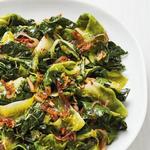
Sanded winter greens

Greek moussaka with minced beef

Radlermass (a drink consisting of 50% beer and 50%

Why is kosher cuisine in fashion?

Calorie content of miso soup

Ancient Mayan cuisine
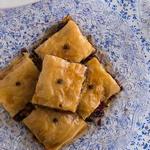
Greek baklava

Greek appetizer "Taramosalata" - caviar paste

Greek pizza with chicken and tomato salsa

Greek baklava made from filo dough with nuts

Greek Moussaka (layered casserole with sauce)

Greek Moussaka (layered eggplant casserole)

Pastitsio (Greek meat and pasta casserole)

Simple Moussaka (Greek Meat Casserole)
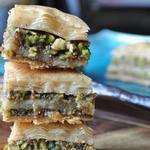
Greek baklava made from filo dough with pistachios and

Greek appetizer - fried cheese "Saganaki"
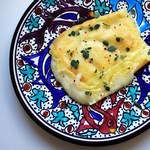
Greek appetizer - fried cheese "Saganaki"

Pastitsio (Greek casserole with minced meat and

Greek Phyllo Dough Baklava with Pistachios

Greek Moussaka

Greek gyro flatbread stuffed with meatloaf

Lime juice - beneficial properties and ways to combat it

Spain's gastronomy attracts millions

Cooking a big meal in a small kitchen

Fruits for energy

A beer with a "fifth flavor" is set to appear in Japan.