Homemade confectionery mastic (fondant)
Votes: 4

Time: 1 hour.
Complexity: average
Quantity: 340 gr.
Complexity: average
Quantity: 340 gr.
This is a recipe for a traditional classic fondant—gumpaste. Kitchen alchemy at its finest: starting with sugar, water, and corn syrup, you get a white, flexible sugar paste. This method of making confectionery has become less popular in recent years, but I believe that techniques and recipes that have stood the test of time have their advantages.
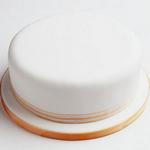
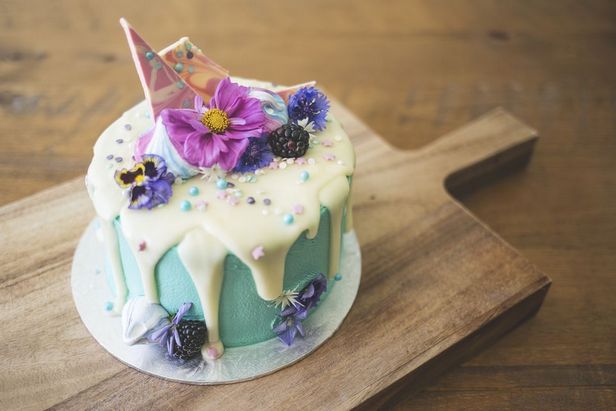
The fondant in this recipe is smooth and soft and can be used for decoration. cakes and as a basis for cakes with buttercream and fudge. If you're looking for a quicker method, try this recipe marshmallow fondant.
The recipes use measuring containers with the following volumes:
1 glass (st.) - 250 ml.
3/4 cup (st.) - 180 ml.
2/3 cup (st.) - 160 ml.
1/2 cup (st.) - 125 ml.
1/3 cup (st.) - 80 ml.
1/4 cup (st.) - 60 ml.
1 tablespoon (tbsp) - 15 ml.
1 teaspoon (tsp) - 5 ml.
1/5 teaspoon (tsp) - 1 ml.
1 glass (st.) - 250 ml.
3/4 cup (st.) - 180 ml.
2/3 cup (st.) - 160 ml.
1/2 cup (st.) - 125 ml.
1/3 cup (st.) - 80 ml.
1/4 cup (st.) - 60 ml.
1 tablespoon (tbsp) - 15 ml.
1 teaspoon (tsp) - 5 ml.
1/5 teaspoon (tsp) - 1 ml.
Ingredients for the recipe:
- 2 cups granulated sugar
- 1/2 cup water
- 2 tablespoons corn syrup
We recommend







Recipes with similar ingredients: sugar, corn syrup
Cooking the dish according to the recipe:
- Prepare your workspace: Place a large baking sheet on a sturdy counter or table and lightly spray it with water.
- In a medium saucepan, combine the sugar, water, and corn syrup over medium-high heat. Stir until the sugar dissolves, then cover and let the syrup simmer for 2-3 minutes.
- Remove the lid and continue cooking without stirring until the syrup reaches 115°C.
- Pour the syrup onto the prepared baking sheet. Let it sit at room temperature for a few minutes. After 2-3 minutes, lightly touch the mixture with your fingertip. When it's warm, but not hot, you can begin working with it.
- Wet a metal spatula or dough scraper with water and scrape the syrup into a mound in the center of the pan.
- Using a damp plastic spatula or wooden spoon, begin mixing the mastic using a figure-eight motion. Continuously scrape the mixture toward the center, "drawing" a horizontal figure-eight, then bring it back together. At first, the mastic will be very clear and runny, but gradually it will begin to thicken and creamy. After 5-10 minutes, the mastic will be very dense, crumbly, and difficult to work with.
- When the fondant reaches this stage, wet your hands and begin kneading it into a ball, like dough. As you knead, the fondant will begin to hold its shape and become softer and more uniform. Stop kneading once you have a smooth, lump-free ball.
- At this stage, the mastic can be melted and poured. If you want to make candies from fudge with flavoringIt's best to let the mastic "ripen" for at least 12 hours—it will develop the desired flavor and texture. To do this, place it in an airtight plastic container, press cling film onto the surface, and seal tightly with a lid. Keep at room temperature, or refrigerate in hot weather. After "ripening," you can add flavorings, roll it into balls, or shape it into your desired shape.
If the mastic is hard, you can knead it with your hands on a surface dusted with powdered sugar until it becomes pliable.
Exit: the recipe is calculated for approximately 350 grams of mastic.
Author of the recipe - Elizabeth Labau is a food writer, pastry chef, and food photographer based in Salt Lake City, Utah.
Categories:
Similar recipes