Top 20 Ingredients Every Kitchen Should Have
Votes: 4
We polled our colleagues to find the most essential healthy ingredients for your kitchen. Whether you're shopping for the New Year or just looking for something new, read on to find out what our team chose for you.
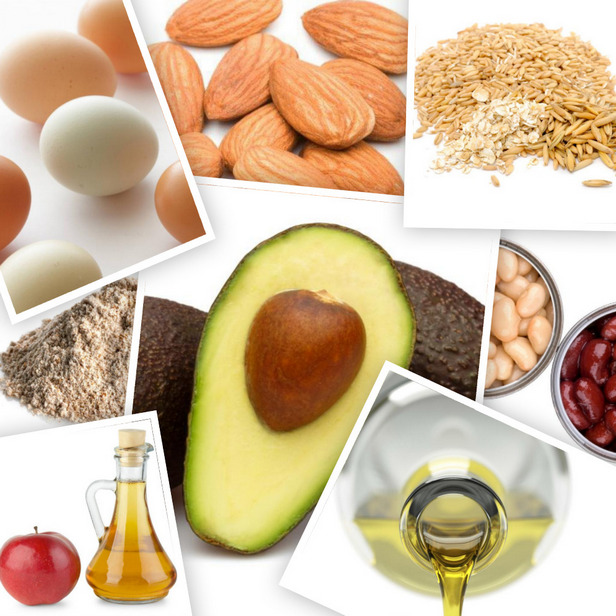
Whole almonds with skins
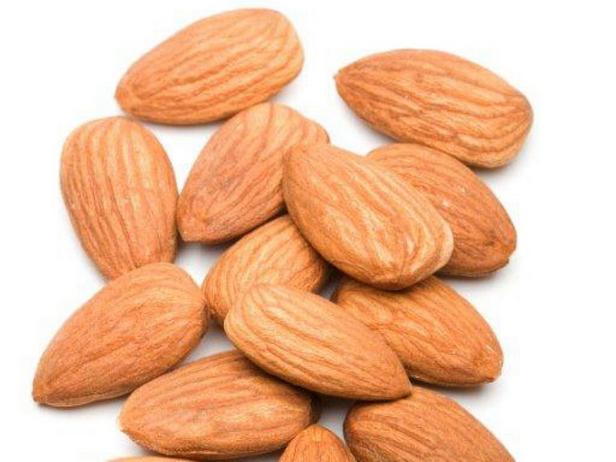
Roast and use as a snack or slice and add to salads. Store in the freezer.
2% Greek yogurt
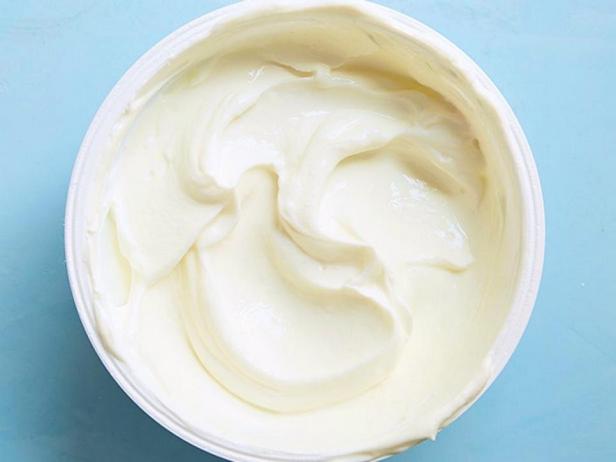
A true golden mean (full-fat yogurt can be too thick and rich, while low-fat lacks a little something). Use it as a salad dressing or a meat marinade. Or try it with tasty additions, like cucumber or fresh herbs.
Eggs
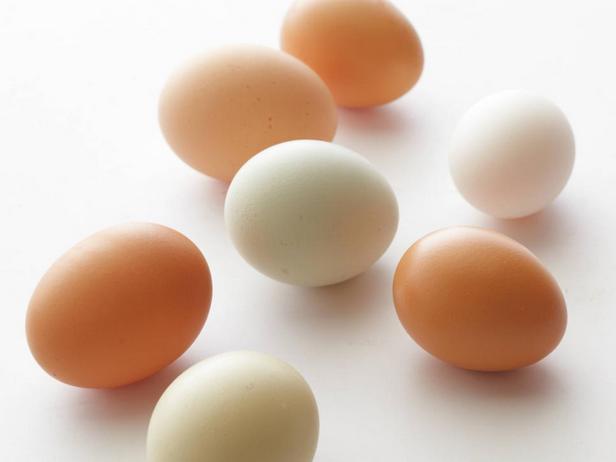
Hard-boil a few (or a dozen) times a week and keep them in the fridge for a quick, protein-packed snack. Or top any dish with a poached or fried egg.
Microgreens
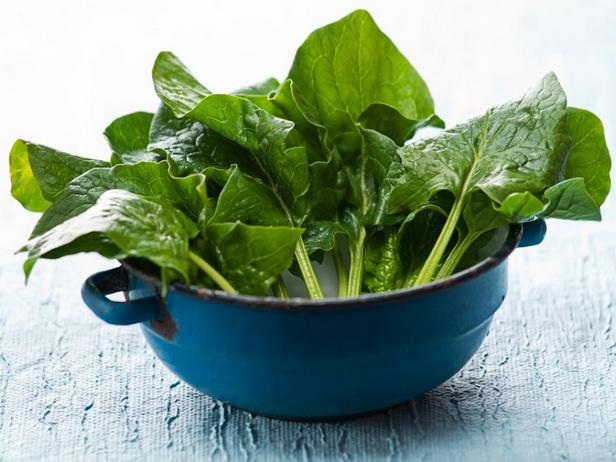
Add a handful to a salad, soup, or smoothie. Microgreens are more tender than regular greens and require no preparation (which fully justifies the slightly higher price).
Canned beans
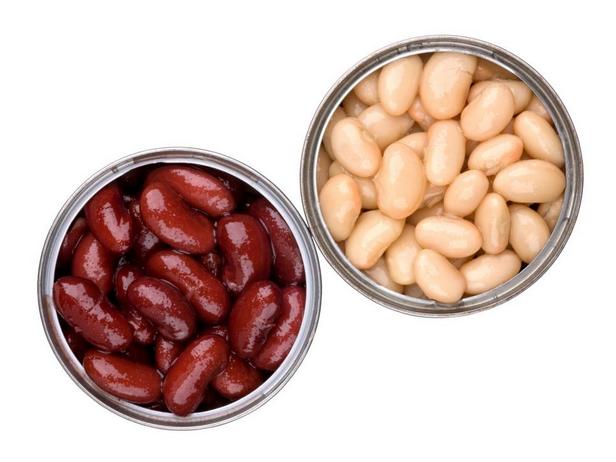
Start building your collection. They're inexpensive and rich in fiber, folate, and iron. Add them to salads, soups, and stews.
Whole grain cereals
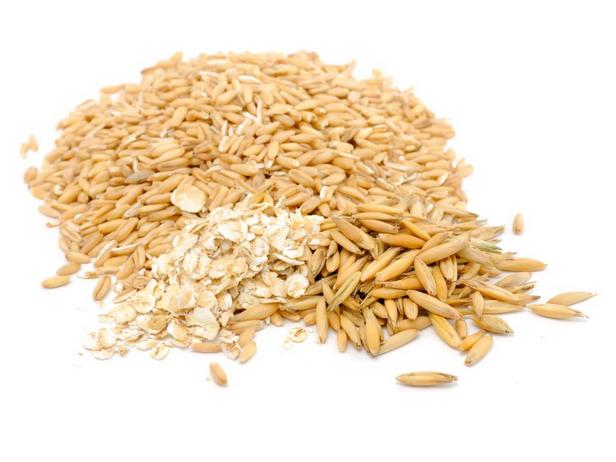
Absolutely any: brown rice, spelt, farro, quinoa, whole wheat, buckwheat, amaranth. We love millet, a versatile gluten-free grain that can be used to make fluffy pilaf, creamy porridge, or even a popcorn-like texture.
Dried shiitake mushrooms
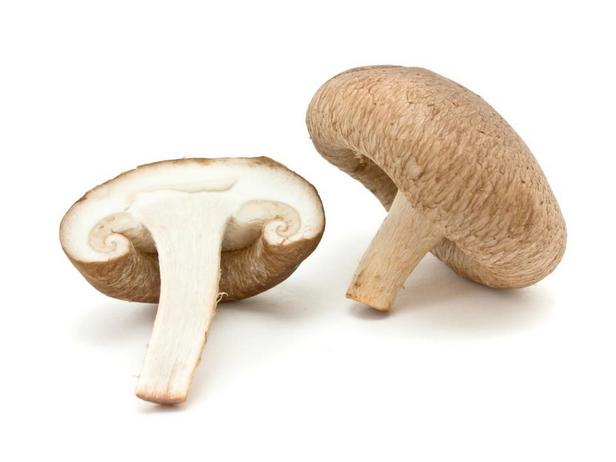
You'll have to search online, but these dried mushrooms are your friends. They're full of umami and will add depth to the flavor of soups, broths, and any other dishes you might want to prepare.
Buttermilk
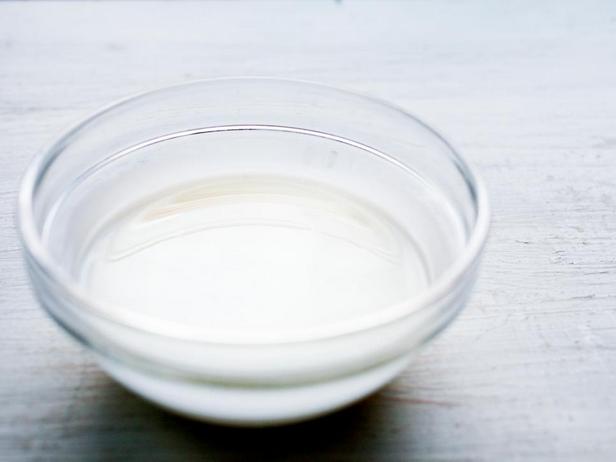
For those who don't like the thickness of yogurt and value probiotics, buttermilk is naturally low in fat and can be used in smoothies and salad dressings. It can also be drunk straight.
Lemon
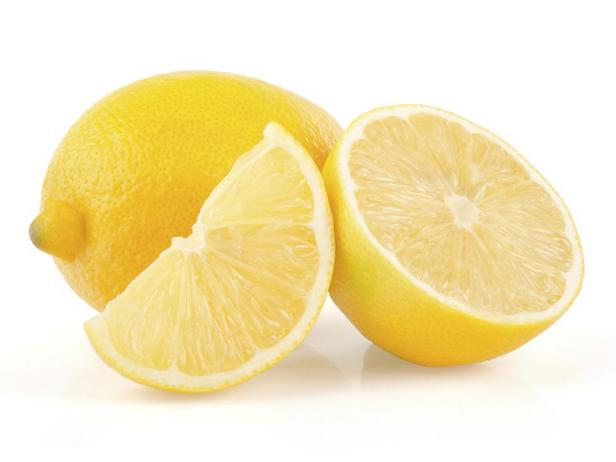
Think of this citrus as two ingredients for the price of one: lemon juice is great on roasted vegetables (especially potatoes), and lemon zest adds a citrusy pop to just about anything.
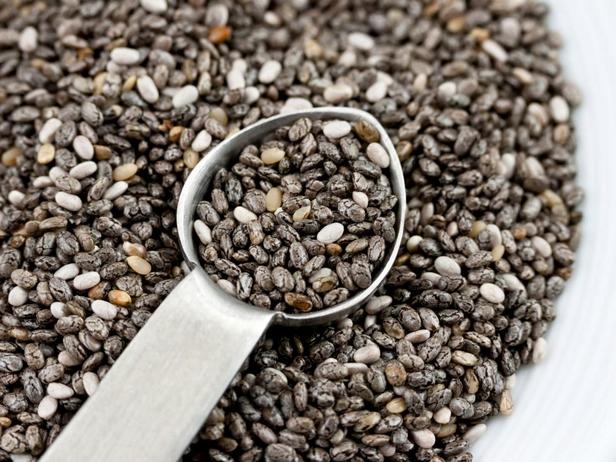
Soak them in liquid before eating. Chia seeds are an easy way to add fiber and omega-3s to your diet.
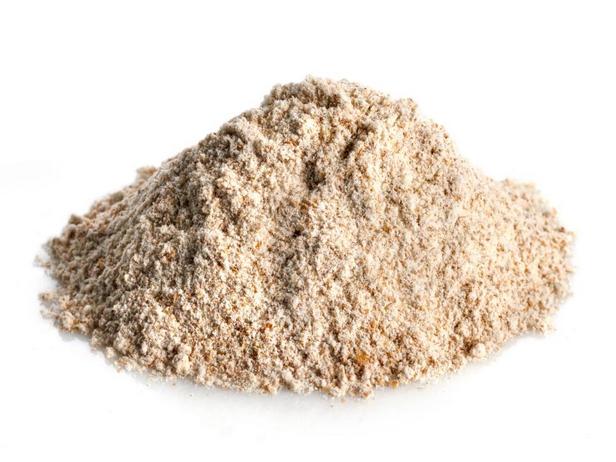
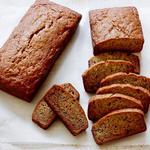
Excellent for baking. Not as fine as regular pastry flour and not as coarse as regular whole-wheat flour. (Be careful: less liquid is needed for dough made with this flour.)
Parmesan (with rind)
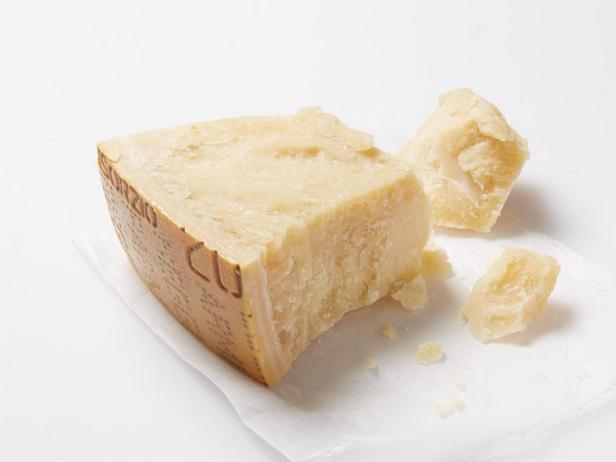
It will enrich the flavor and add calories. Grate the cheese yourself. Save the rind and add it to soups for an extra burst of umami flavor.
Apple cider vinegar
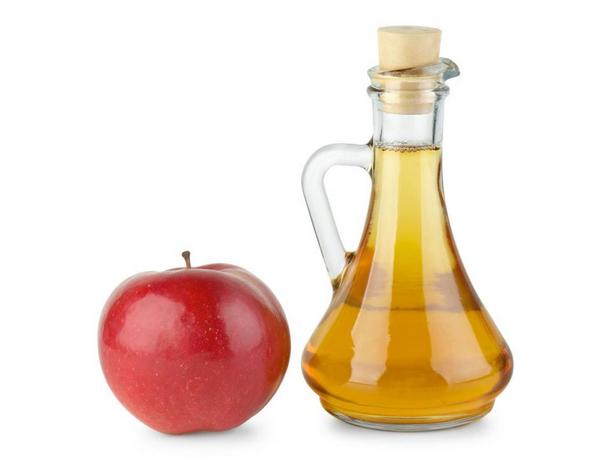
Use to make dressings or drizzle over stews or chili for a finishing touch of bold flavor.
Hot sauces

Gather them all, from all over the world! If a dish needs some zest and spice, a small amount of this sauce can work wonders.
Red chili pepper flakes
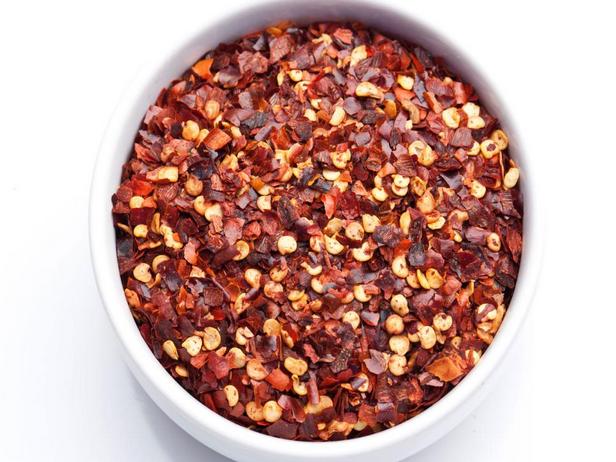
Not only are these little peppercorns great in a pizzeria's pepper shaker, they're also great for preparing hot dishes and as a finishing touch.
Roasted spices
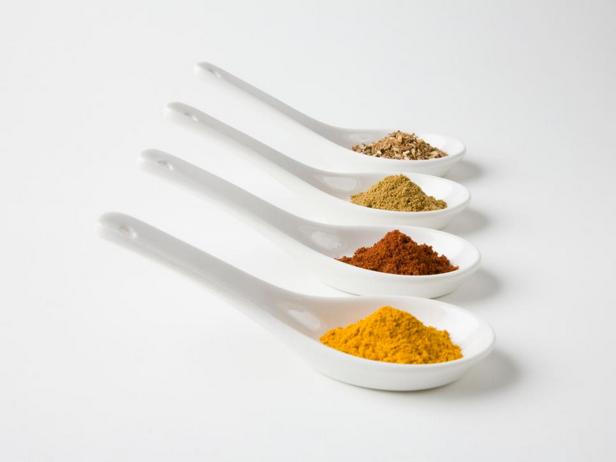
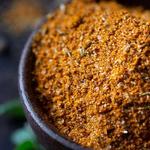
Try individual spices, such as cumin or coriander, or blends, such as: Ras El Hanout (Moroccan spice mix) or curry powder. Cook with them to liven up the flavor palette, or sprinkle them over stews and roasted vegetables before serving.
Maple syrup
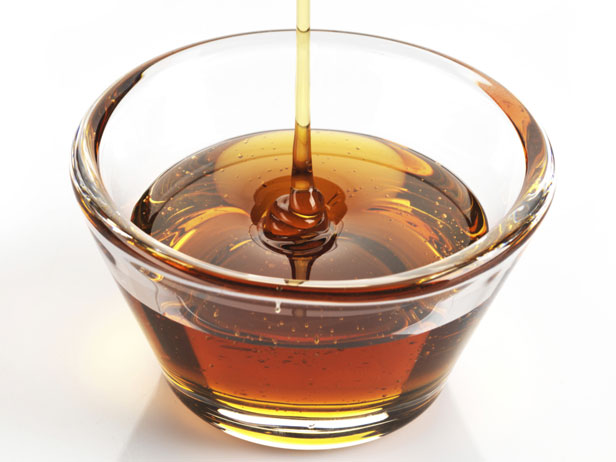
Buy a small bottle and store it in the back of the refrigerator. Use sparingly when you want to sweeten something (but not as a sugar substitute, as recommended in many baking recipes).
Olive oil (not extra virgin)
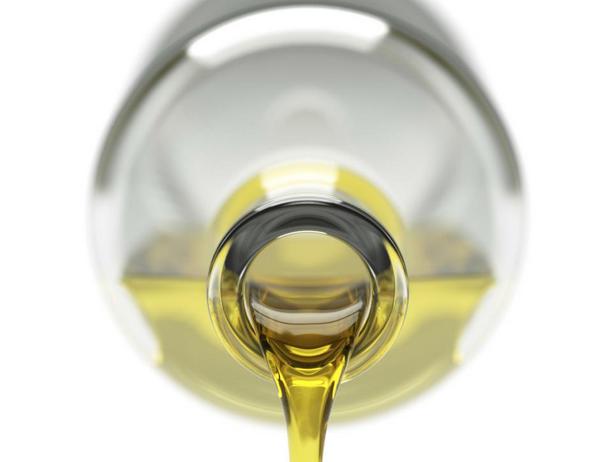
It adds a mild flavor to salad dressings and dishes cooked in the oven or on the stovetop. This oil contains many healthy monounsaturated fats.
Unrefined virgin or extra virgin coconut oil (first or second cold pressing)
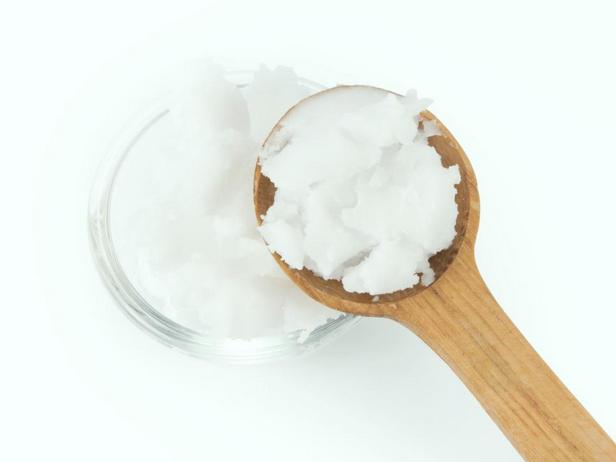
Unrefined oil has a richer flavor; we love using it when cooking shrimp. Use this oil sparingly, as both virgin and extra virgin oils contain a lot of fats with high fatty acid content (although lauric acid specifically can boost immunity).
Avocado
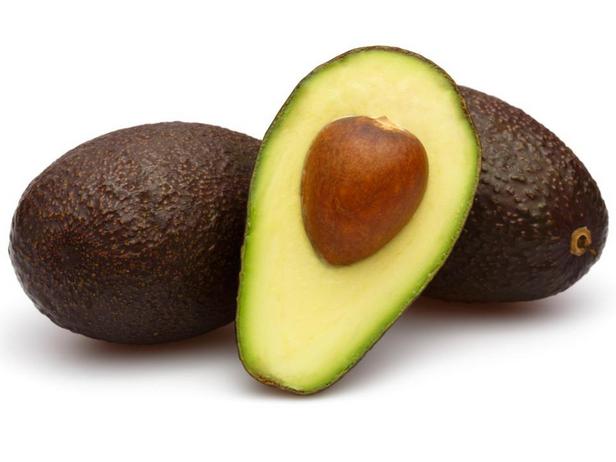
Loaded with healthy fats, simply eat it with a spoon or let it ripen and spread it on toasted bread instead of butter.
Categories:
Similar recipes