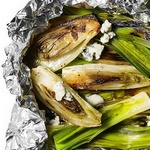
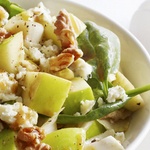
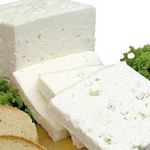
Blue cheeses: types, benefits and harms

In production, after the curd has matured, producers use large needles to create special holes into which Penicillium food mold (or rather, its specialized pores) is later added. This process creates a product with a distinctive flavor and aroma.
Varieties
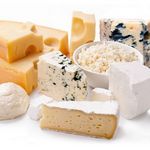
There are a huge number of varieties of this cheese. It's worth highlighting the most popular and sought-after options.
1. Dorblu – a cheese that is quite spicy and moderately rich. It is made using cow's milk. This variety is quite popular among Russian gourmets.
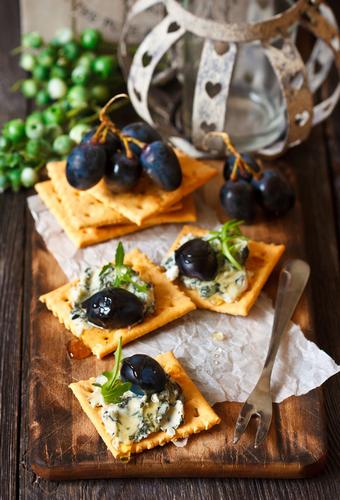
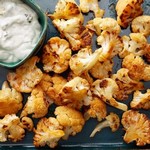
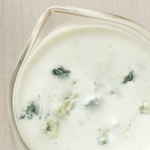
Recipe Dorblu cheese appetizers.
2. RoquefortOnce, only sheep's milk was used to make it, but today, producers increasingly use cow's milk. It's very soft, with a hint of hazelnut flavor, and a buttery texture. It has a distinctive aroma.
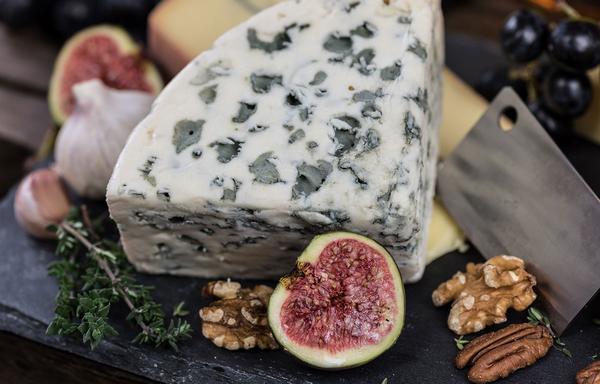
3. Saint-Agur It has a very delicate flavor, and cow's milk is used for its preparation. The aroma is mild and the taste is very balanced.
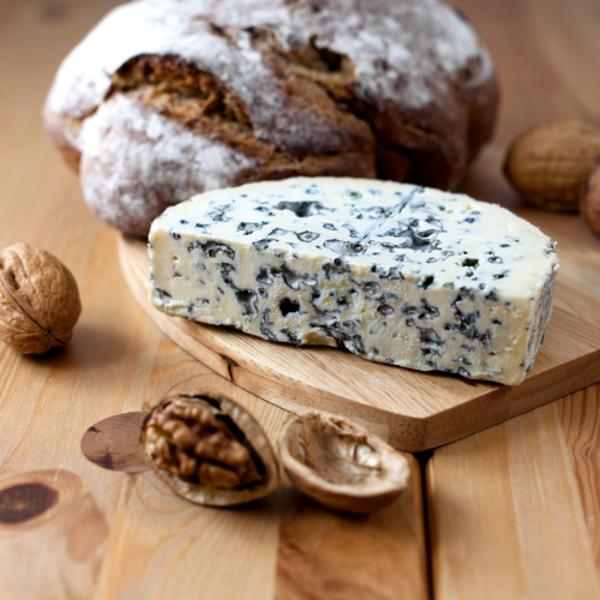
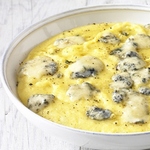
4. Gorgonzola – a very rich cheese made from cow’s milk.
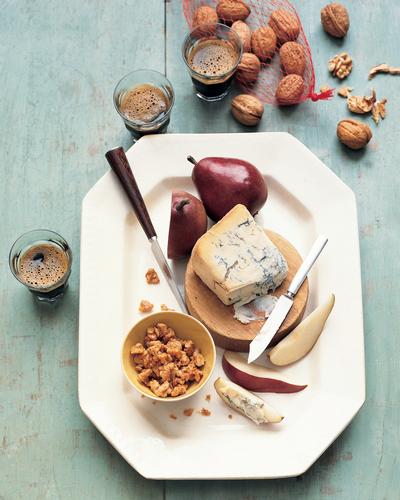
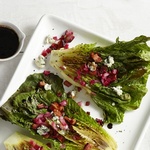
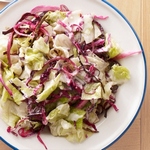
Recipe salad with gorgonzola.
Proper serving of blue cheese
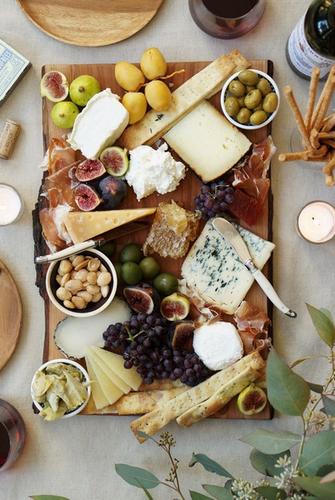
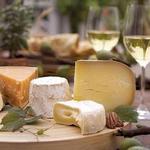
You can't simply place a few pieces of this exquisite cheese on a plate. It must be served properly, paired with the right ingredients to fully appreciate its unique flavor. It's best eaten in small pieces. It's important to let the cheese sit at room temperature before eating, as warmth enhances its flavor. Its distinct aroma makes it an excellent accompaniment to white wine, unleavened bread, and special crackers.
Controversy about the benefits and harms of this product
Today, debate continues about the health benefits of this product. Many believe this cheese can be harmful to health, but true connoisseurs always defend this delicacy, offering their own arguments.
Arguments about the benefits of blue cheese
1. Cheese contains a lot of calcium, and thanks to the mold it is absorbed more efficiently.
2. The protein content is high.
3. The presence of amino acids that are beneficial for muscle tissue and its development.
4. Contains phosphorus salt and a huge amount of various vitamins.
5. Promotes the production of melanin, which is essential for our skin.
Arguments about the dangers of blue cheese
1. People who are obese or noticeably overweight should avoid these cheeses—they are completely contraindicated. The product is very fatty and will not be properly processed by the body.
2. Eating this type of cheese in large quantities can lead to serious intestinal problems. Dysbacteriosis is what awaits those who regularly eat blue cheese.
3. There are certain restrictions: you can’t eat too much cheese, and experts recommend not exceeding 50 g per day, and then everything will be fine with the body.
Because of its very pungent aroma and distinctive flavor, many people dislike cheese. But don't be too quick to dismiss this delicacy—it's important to try it thoroughly to get a feel for its flavor profile.
Author of the article: Oksana Morozyuk "TopCook"
Categories:
Related articles