Spices and herbs - their varieties
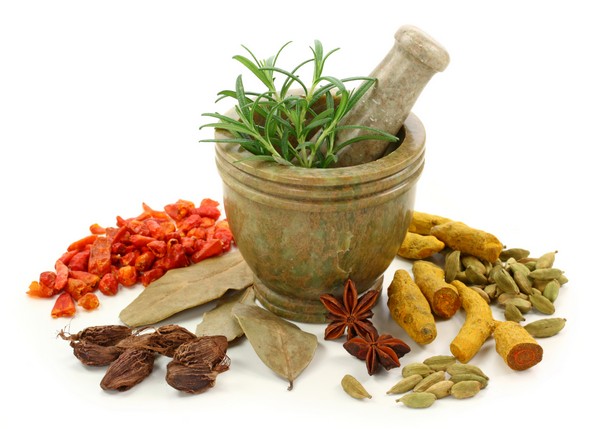
Spices and herbs are a world unto themselves, combining subtle aromas and delicious flavors. They make everyday food unique and unforgettable.
Today, there is a wide variety of spices. They are usually classified based on the plant parts that will be used as food.
- Fruits or seeds, the most common type of spice. These include pepper, vanilla, sesame, coriander, dill, anise, poppy seeds, mustard, barberry, cumin, and nutmeg.
- Buds - capers, cloves.
- Roots and rhizome - ginger, horseradish, celery, parsnip.
- Leaves - bay leaf, mint, parsley, dill.
- Koru - cinnamon.
Every housewife should have a spice set. There's no need to stock up in large quantities. They have a shelf life of up to two years, provided they're stored in airtight containers or jars.
There's one more subtlety to keep in mind. Each spice is suited to a specific dish. Don't just add them wherever you want. Here's a list of spices and the foods they pair well with.
1. For fish dishes Suitable ingredients include cardamom, chili pepper, fennel, ginger, saffron, and turmeric.
2. For meat – cinnamon, coriander, cumin, nutmeg, anise, rosemary.
3. For vegetable dishes - turmeric, saffron, ginger, mint.
4. For cereals - shambhala, pepper of all varieties, dill, cloves, kalindzhi, cumin.
5. For the bird – marjoram, thyme, basil.
With the right combination of spices and herbs, your dishes will be unforgettable. Go ahead and experiment.
Categories
Culinary Encyclopedia / Spices, saucesSimilar material
Sweet and spicy cutlets for breakfast

Coconut Laddus with Pistachio
Sour with kombucha and bourbon
Butternut Squash with Chili and Sesame
Basic green beans
Fried steak with Indian spices

White Russian Cocktail with Kahlua Coffee Liqueur
Baked butternut squash in the oven
Marinade for vegetables
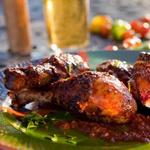
Grilled chicken with mole sauce
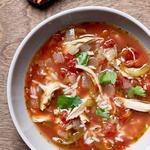
Mexican soup with rice and chicken

Coconut Curry Flavored Popcorn
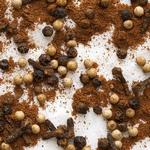
French Four Spices
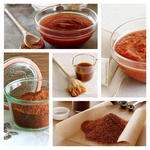
Marinades, spices and sauces for barbecue
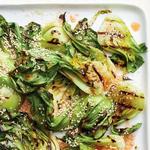
Grilled bok choy with sesame seeds
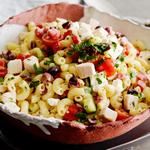
Italian pasta salad with chicken
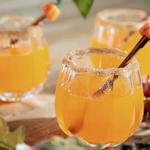
Autumn Sangria
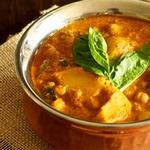
Traditional vegetable curry

Blue cheeses: types, benefits and harms

How to drink sake

Hot dogs "a la rose"
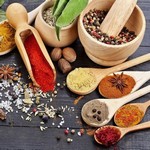
All about spices - storage tips and interesting facts

Berry infusion
Turkey aspic with mushrooms
Prosciutto
Cane vinegar

Salami

Tomato and chicken liver salad
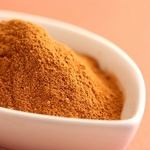
Pumpkin pie spice mix

Gin (alcoholic drink)
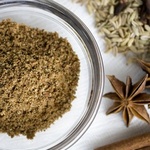
Five spices - Chinese seasoning
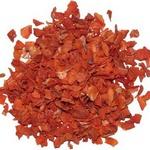
Red pepper flakes
Appetizers
Beer snacks
Cheese appetizers
Sandwiches
Snacks
Canapes
Assorted appetizers
Snacks with sauces
Meat appetizers
Fish appetizers
Vegetable appetizers
Egg appetizers
Soups
Cold soups
Creamy soups
Cream soups
Soups with dressings
Clear soups
Vegetable soups
Thick soups, stews
Meat soups
Fish soups
Soups with pasta and cereals
Main courses
Meat
Bird, game
Side dishes
Vegetables, mushrooms
Fish, seafood
Cereals, legumes
Eggs, dairy products
Pasta
Casseroles
Salads
Warm salads
Vegetable salads
Leafy salads
Fruit salads
Salads with cereals and pasta
Salads with meat
Salads with fish
Salads with eggs
Salads with beans
Salads with bread
Fast food
Hamburgers
Sandwiches
Hot dogs
Pizzas
Hot sandwiches
Tortilla Dishes
Pita dishes
Pancakes
Sauces for fast food
Deep-fried dishes
Sauces
Seasonings
Gravies
Dips
Spreads
Barbecue glazes and sauces
Salad dressings
Oil mixtures
Emulsion sauces
Sweet sauces
Hot sauces
Sauces for fast food
Grill, barbecue
Grilled meat
Grilled poultry
Grilled fish
Smoked dishes
Grilled vegetables and fruits
Grilled flour products
Barbecue glazes and sauces
Bakery
Savory pies, pizzas
Homemade bread
Potato pancakes, pancakes
Unsweetened buns, pies
Unsweetened cookies and muffins
Desserts
Cupcakes
Fruit desserts
Cookie
Cakes
Donuts, pies, buns
Candies and small sweets
Creams, sauces, mousses, puddings
Soufflé, meringues, meringues
Jelly
Ice cream, sorbets
Cakes
Sweet pies, tarts
Pancakes, fritters, waffles, toast
Breakfast cereals, granola, muesli
Drinks
Milkshakes
Smoothies, granitas
Coffee and chocolate based drinks
Fruit drinks, juices
Tea and herbal drinks
Hot drinks
Alcoholic cocktails
Cocktails with vodka
Cocktails with gin
Whiskey cocktails
Cocktails with wine
Cocktails with brandy, cognac
Cocktails with absinthe
Cocktails with rum
Cocktails with sparkling wine
Tequila cocktails
Cocktails with beer
Cocktails with liqueurs
Frozen cocktails
Cooking methods
Air fryer
Pressure cooker
Cold dishes
Multicooker
Stuffed dishes
Deep-frying
Double boiler
Pan
Baking tray
Foil
Oven
Roaster
Mixer
Blender
Brazier
Food processor
Microwave
Wok
Pickled dishes
Dried and cured foods
Pickled dishes
Poached dishes
Salty dishes
Smoked dishes
Canned goods
Seasonal dishes
Festive dishes
New Year
Christmas
Valentine's Day
March 8
Easter
May 1st
Halloween
Birthday
Party Dishes
Wedding dishes
Cocktail party
Dinner party
Mother's Day
Cuisines of the world
European
French
Italian
Spanish
Greek
English
Irish
German
Portuguese
Austrian
Polish
Russian
Scandinavian Swedish
Asian Chinese Japanese Thai Vietnamese Korean Filipino
Arabic Jewish Turkish
Indian
African Moroccan
American Hawaiian Cajun Canadian Tex-Mex
Latin American Mexican Venezuelan Argentine Brazilian
Caribbean Cuban Jamaican
Scandinavian Swedish
Asian Chinese Japanese Thai Vietnamese Korean Filipino
Arabic Jewish Turkish
Indian
African Moroccan
American Hawaiian Cajun Canadian Tex-Mex
Latin American Mexican Venezuelan Argentine Brazilian
Caribbean Cuban Jamaican
Categories
Breakfasts
Lunches
Dinners
Children's dishes
Dishes for future use
Budget recipes
Comfort food
Recipes for one
Recipes for two
Picnic
Backyard Recipes
Dishes for fans
Movie Night Dishes
Cooking methods
Food Network Recipes
Recipe collections
Recipes by ingredients
Healthy eating
Healthy breakfasts
Lunches
Dinners
Healthy snacks
Dishes rich in fiber
Gluten-free dishes
Low sodium content
Low-calorie dishes
Dishes for diabetics
Low-carb meals
Low fat content
Low cholesterol
Calorie content of prepared meals
Vegetarian dishes
Vegan dishes