How to drink sake
This article will teach you about the different types of sake, as well as what foods to serve it with, what to pour it into, how to drink it, and how to behave in the company of people who enjoy this drink.
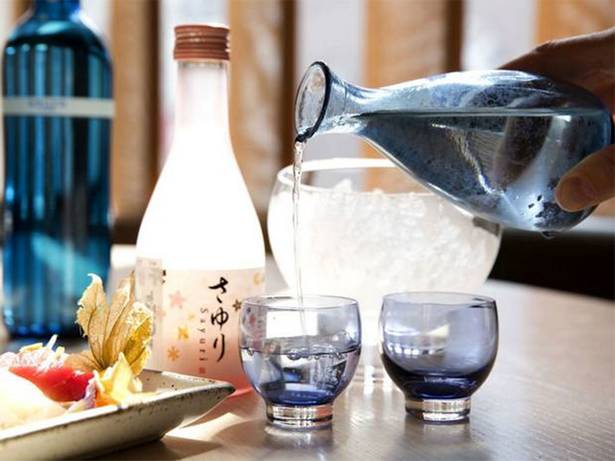
Sake is a Japanese rice wine produced by fermenting rice. During this process, starches are converted into sugars, and then into alcohol. The alcohol content of sake ranges from 14 to 16%, with the exception of "genshu," a variety with an alcohol content of 18 to 20%. In Japanese, the word "sake" refers to all types of alcoholic beverages, not just those made from rice. When referring specifically to this drink, the Japanese word for it is "nihonshu."
Varieties of sake
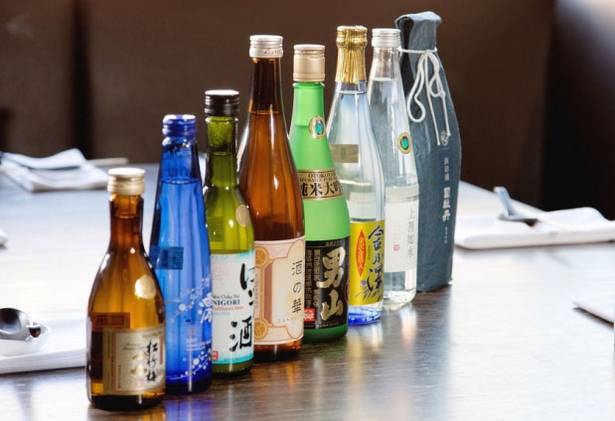
There are several different types of rice wine:
1. Amazake – This is a traditional, sweet, low-alcohol sake.
2. Genshu – This is undiluted sake with an alcohol content of 18-20%. In contrast, other types are diluted with water to such an extent that the alcohol content reaches 14-16%.
3. Iitsake - local types of sake.
4. I mow - This is a wine aged in a special way, which is why it has a honey taste and yellow color.
5. Kuroshu - This is sake made from brown rice.
6. Muroka – unfiltered wine. It has a clear appearance and a more pronounced flavor and aroma.
7. Namazake - This is unpasteurized sake and should be stored in the refrigerator after purchase.
8. Nigorizake or Nigori - This is a wine that is common in European Japanese restaurants and is served chilled.
9. Shiboritate - This is a wine that is aged for less than 9-12 months, like other types, so it tastes more acidic.
10. Taruzake Taruzake is an aged sake stored in wooden barrels, giving it a strong wood aroma. Taruzake is often enjoyed at celebratory events, such as construction openings or anniversaries.
11. Teiseihakushi - a special sake with a strong rice aroma.
What is the difference between classic and culinary sake?
There are rice wines that are drunk on their own, and there are those that are used in cooking. The latter type of wine has less alcohol and more salt.
In cooking, you can use both, but it is better to choose a wine that has decent quality and aroma, otherwise the dish will turn out tasteless.
What should you drink sake with?
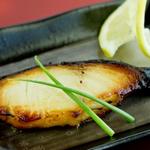
Sake is drunk with light appetizers such as sashimi, a raw fish dish, although in Europe and the United States it is also consumed with other foods and dishes.
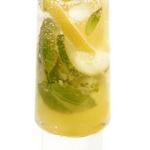
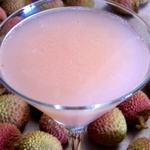
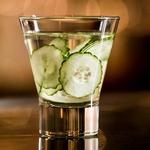
Now it is also used in the preparation of various cocktails.
What is sake served in?
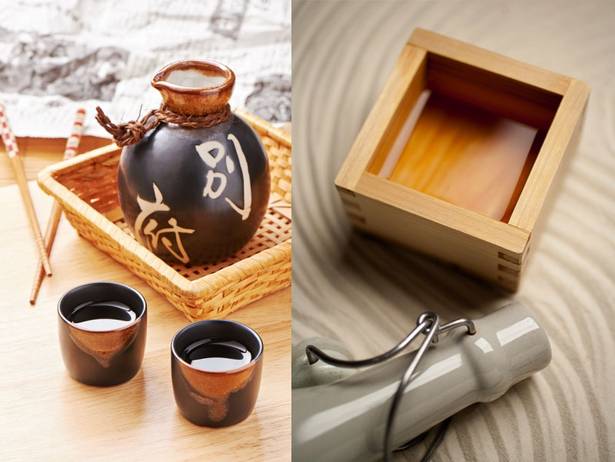
Sake is typically sold in large bottles or small ceramic flasks called tokkuri. It is served in small cups that resemble bowls.
How is sake served?
Sake is usually served slightly warmed or, conversely, chilled. However, sometimes it can be served at room temperature. This all depends on the type of sake and the drinker's taste. In cold weather, hot sake is more often drunk, while in hot weather, it's served chilled. Poor-quality sake is often heated in bars to disguise its poor taste, while good-quality sake is neither chilled nor heated.
To warm sake, pour it into a ceramic vessel, which is then placed in a larger bowl filled with hot water. The hot water should be around 50°C (122°F). To chill the wine, place the vessel in a bowl filled with water at -10°C (14°F).
How is sake usually poured?
There are a few nuances when serving this rice wine.
1. Always pour sake for others, never for yourself. Let someone else fill your cup, even if you're pouring for the entire group.
2. When pouring wine for others, hold the vessel with both hands, no matter how small. If you hold the bottle with one hand, place the other on top of it as a sign of respect for the drink.
3. If you're handing over your cup for filling, rest it on the palm of your hand and hold it at the side with the fingers of your other hand. Then raise your hand with the cup toward the person pouring the sake. This is also a sign of respect.
4. If you're drinking at work or celebrating achievements at work, there are other nuances. When pouring wine for a colleague higher in rank than you, the sake cup should be held with both hands. If you're pouring wine for a lower-ranking employee, the cup may be held with only one hand. Similarly, a superior may serve the cup with only one hand, while a junior employee may serve it with both hands, as described above.
5. If you're drinking sake with friends or in an informal setting, pouring and serving sake is done with only one hand, especially in a male-dominated setting. However, remember to raise the wine cup above the table toward the person pouring.
When making a toast, raise your hand with a cup of sake!
Regardless of the drink—sake, beer, wine, or strong liquor—it's polite to wait until all the cups, glasses, and other drinking vessels are filled before raising yours and making a toast. The traditional Japanese expression for this is "kanpai!" Everyone then raises their cups and glasses and clinks them.
If you drink at work, then when clinking glasses, the junior staff's cups should be lower than the management's cups.
Varieties of sake
There are several different types of rice wine:
1. Amazake – This is a traditional, sweet, low-alcohol sake.
2. Genshu – This is undiluted sake with an alcohol content of 18-20%. In contrast, other types are diluted with water to such an extent that the alcohol content reaches 14-16%.
3. Iitsake - local types of sake.
4. I mow - This is a wine aged in a special way, which is why it has a honey taste and yellow color.
5. Kuroshu - This is sake made from brown rice.
6. Muroka – unfiltered wine. It has a clear appearance and a more pronounced flavor and aroma.
7. Namazake - This is unpasteurized sake and should be stored in the refrigerator after purchase.
8. Nigorizake or Nigori - This is a wine that is common in European Japanese restaurants and is served chilled.
9. Shiboritate - This is a wine that is aged for less than 9-12 months, like other types, so it tastes more acidic.
10. Taruzake Taruzake is an aged sake stored in wooden barrels, giving it a strong wood aroma. Taruzake is often enjoyed at celebratory events, such as construction openings or anniversaries.
11. Teiseihakushi - a special sake with a strong rice aroma.
What is the difference between classic and culinary sake?
There are rice wines that are drunk on their own, and there are those that are used in cooking. The latter type of wine has less alcohol and more salt.
In cooking, you can use both, but it is better to choose a wine that has decent quality and aroma, otherwise the dish will turn out tasteless.
What should you drink sake with?
Sake is drunk with light appetizers such as sashimi, a raw fish dish, although in Europe and the United States it is also consumed with other foods and dishes.
Now it is also used in the preparation of various cocktails.
What is sake served in?
Sake is typically sold in large bottles or small ceramic flasks called tokkuri. It is served in small cups that resemble bowls.
How is sake served?
Sake is usually served slightly warmed or, conversely, chilled. However, sometimes it can be served at room temperature. This all depends on the type of sake and the drinker's taste. In cold weather, hot sake is more often drunk, while in hot weather, it's served chilled. Poor-quality sake is often heated in bars to disguise its poor taste, while good-quality sake is neither chilled nor heated.
To warm sake, pour it into a ceramic vessel, which is then placed in a larger bowl filled with hot water. The hot water should be around 50°C (122°F). To chill the wine, place the vessel in a bowl filled with water at -10°C (14°F).
How is sake usually poured?
There are a few nuances when serving this rice wine.
1. Always pour sake for others, never for yourself. Let someone else fill your cup, even if you're pouring for the entire group.
2. When pouring wine for others, hold the vessel with both hands, no matter how small. If you hold the bottle with one hand, place the other on top of it as a sign of respect for the drink.
3. If you're handing over your cup for filling, rest it on the palm of your hand and hold it at the side with the fingers of your other hand. Then raise your hand with the cup toward the person pouring the sake. This is also a sign of respect.
4. If you're drinking at work or celebrating achievements at work, there are other nuances. When pouring wine for a colleague higher in rank than you, the sake cup should be held with both hands. If you're pouring wine for a lower-ranking employee, the cup may be held with only one hand. Similarly, a superior may serve the cup with only one hand, while a junior employee may serve it with both hands, as described above.
5. If you're drinking sake with friends or in an informal setting, pouring and serving sake is done with only one hand, especially in a male-dominated setting. However, remember to raise the wine cup above the table toward the person pouring.
When making a toast, raise your hand with a cup of sake!
Regardless of the drink—sake, beer, wine, or strong liquor—it's polite to wait until all the cups, glasses, and other drinking vessels are filled before raising yours and making a toast. The traditional Japanese expression for this is "kanpai!" Everyone then raises their cups and glasses and clinks them.
If you drink at work, then when clinking glasses, the junior staff's cups should be lower than the management's cups.
Author of the article: Natalia Semenova "TopCook"
Votes: 1
All recipes with sake
Categories:
Related articles