How to peel and juice beets
Votes: 79
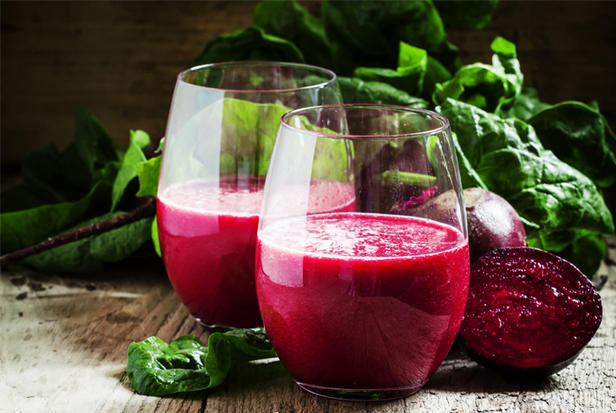
Handling beets is quite a messy job: before you begin, cover your work surface with wax paper or plastic wrap. Wear disposable gloves or wipe your hands with a cut lemon.

Time:
This step-by-step photo guide will help you squeeze beetroot juice.
The recipes use measuring containers with the following volumes:
1 glass (st.) - 250 ml.
3/4 cup (st.) - 180 ml.
2/3 cup (st.) - 160 ml.
1/2 cup (st.) - 125 ml.
1/3 cup (st.) - 80 ml.
1/4 cup (st.) - 60 ml.
1 tablespoon (tbsp) - 15 ml.
1 teaspoon (tsp) - 5 ml.
1/5 teaspoon (tsp) - 1 ml.
1 glass (st.) - 250 ml.
3/4 cup (st.) - 180 ml.
2/3 cup (st.) - 160 ml.
1/2 cup (st.) - 125 ml.
1/3 cup (st.) - 80 ml.
1/4 cup (st.) - 60 ml.
1 tablespoon (tbsp) - 15 ml.
1 teaspoon (tsp) - 5 ml.
1/5 teaspoon (tsp) - 1 ml.
Ingredients for the recipe:
- Beet
We recommend







Recipes with similar ingredients: beet
Cooking the dish according to the recipe:
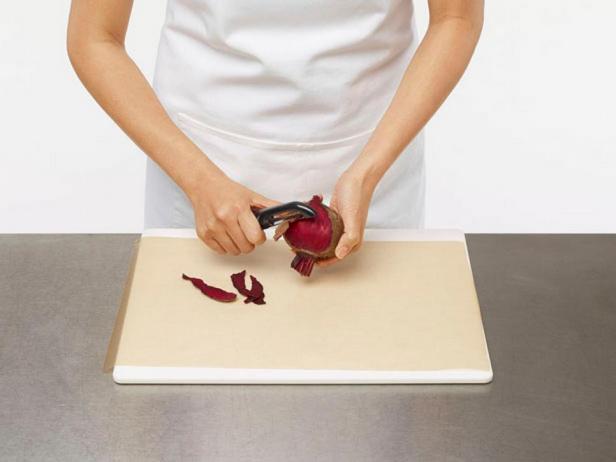
- Peel the raw beetroot using a vegetable peeler like the one you use for potatoes.
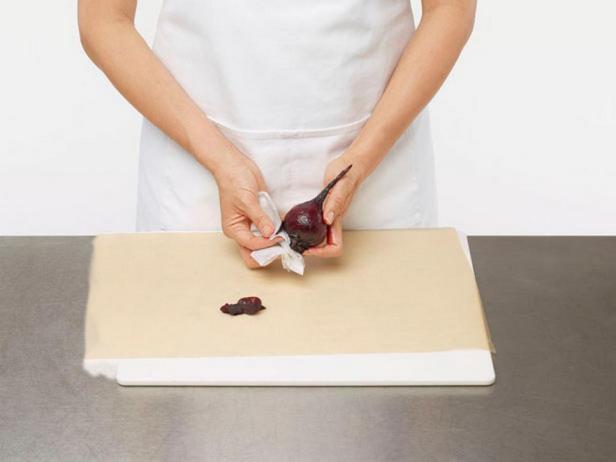
- If you want to juice boiled beets, remove the skin by scraping it with your fingers under running water.
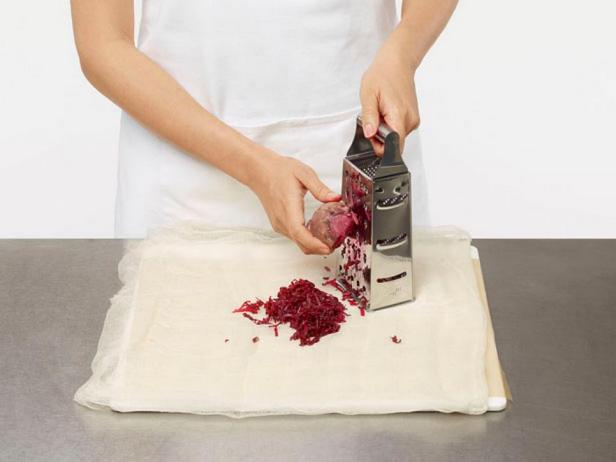
- To juice beets, finely grate raw beets (no need to peel them) on a surface lined with cheesecloth or waxed paper. The finer the holes in the grater, the more juice you'll extract.
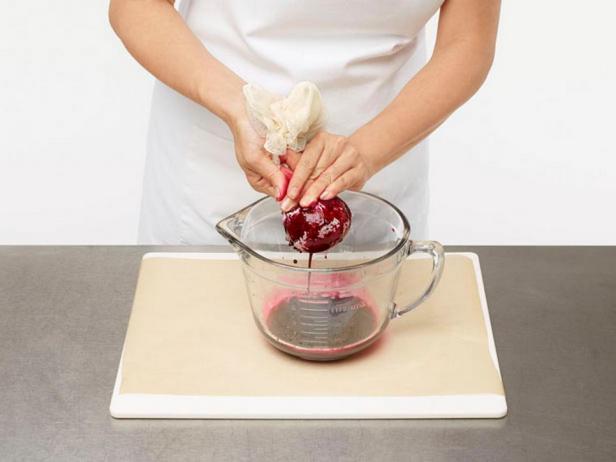
- Collect the grated beetroot in cheesecloth, wrap tightly and squeeze the juice into a large measuring jug.
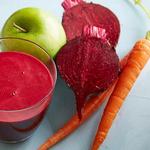
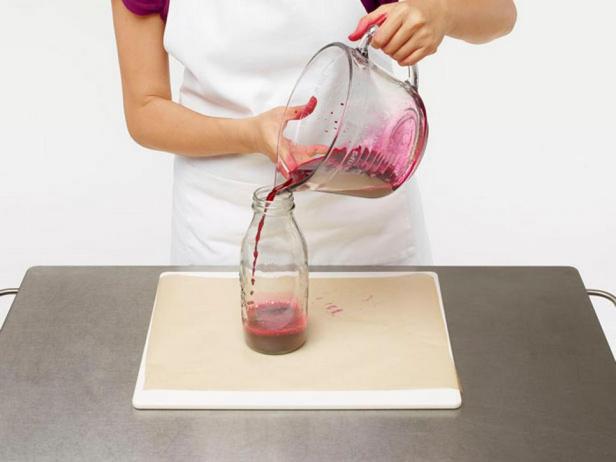
- Pour the beetroot juice into a container and store in the refrigerator for up to 3 days. It's very strong, so we recommend mixing it with fruit and/or vegetable juice, such as carrot and orange.
Categories:
Similar recipes