About French wine and cheese
An informative article about French wine and cheese, as well as the culture of their consumption.
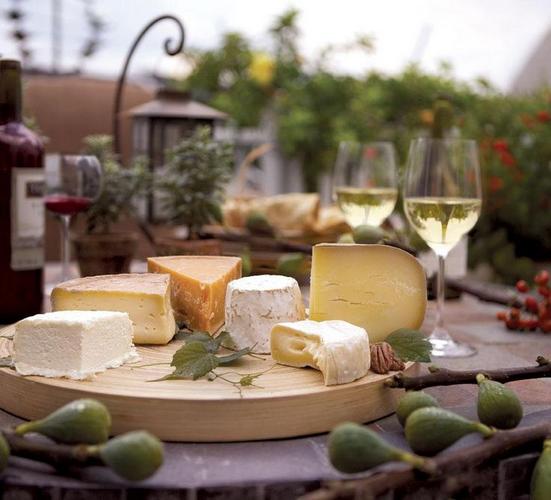
Each region of France produces its own cheeses and wines, all of which differ in appearance and taste. This is because regions often differ geographically. For example, grapes grown in the north and northeast of the country are very different from those grown in the south.
Regional wines
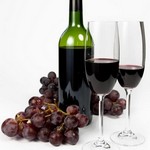
You'll see the phrase "vin d'AOC" on most bottles of French wine. "AOC" signifies that the wine is actually produced in that region. This designation not only ensures quality control but also protects the history and tradition of wine drinking. If a producer grows grapes in Spain and then labels the bottle "vin de Bordeaux," it will undermine the reputation of wines produced entirely in Bordeaux.
The absence of the "vid d'AOC" label doesn't necessarily mean the wine is bad, but when you buy real French wines, look for bottles with it.
Regional cheeses
Cheeses in France are produced in different regions, and like wines, they all have distinct flavors. Brie and Camembert, produced in the suburbs of Paris, are soft, while Emmental, made in the eastern regions of the country, is hard. In central France, cheeses are primarily made from goat's milk, while in many other regions, they are made from cow's milk.
Cheeses are often named after the city or province where they are produced.
The history of French wine and cheese consumption culture
Cheese and wine are central to French cuisine. Cheese can be eaten in the morning, and wine is consumed beginning at lunchtime. Traditionally, French people eat a hot lunch in the middle of the day, and dinner is usually cold and light. This eating tradition coincides with the French custom of finishing everything by lunchtime. It's at lunchtime that children come home from school and dine with their parents. This way of life is gradually changing, of course, but for most people, it's still the way it is.
The French also drink wine midday. Colleagues often go out for lunch at a café or restaurant instead of going home, and a glass or two of wine with lunch is common. Wine on a Frenchman's table at a restaurant is the same as a glass of water for everyone else.
The French don't overindulge in wine and don't get drunk to the point of losing consciousness. Sipping wine during lunch or dinner is commonplace, even if it means going back to work.
French table etiquette This implies that you shouldn't pour your own wine. Someone else should do that. As for cheese, it's the opposite. The cheese plate is passed around the table, and you help yourself to as much as you need. If you're eating soft cheese, it's customary to eat it with bread. Don't eat the bread whole or cut off smaller pieces. Instead, break off bite-sized pieces of bread and spread the cheese on them.
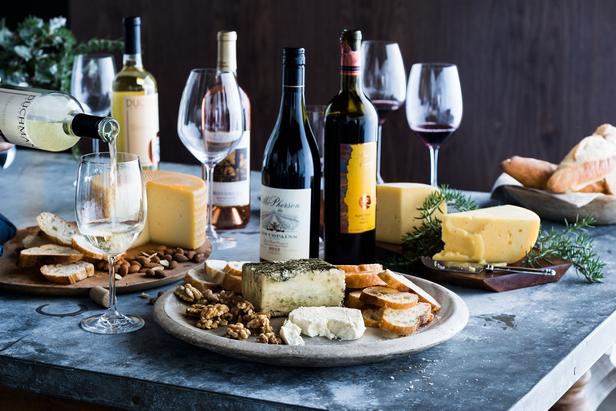
Cheese and wine are typically enjoyed together. Certain types of cheese are paired with certain types of wine. However, you can experiment here. You might find your own unique wine and cheese pairings that you'll stick with.
Regional wines
You'll see the phrase "vin d'AOC" on most bottles of French wine. "AOC" signifies that the wine is actually produced in that region. This designation not only ensures quality control but also protects the history and tradition of wine drinking. If a producer grows grapes in Spain and then labels the bottle "vin de Bordeaux," it will undermine the reputation of wines produced entirely in Bordeaux.
The absence of the "vid d'AOC" label doesn't necessarily mean the wine is bad, but when you buy real French wines, look for bottles with it.
Regional cheeses
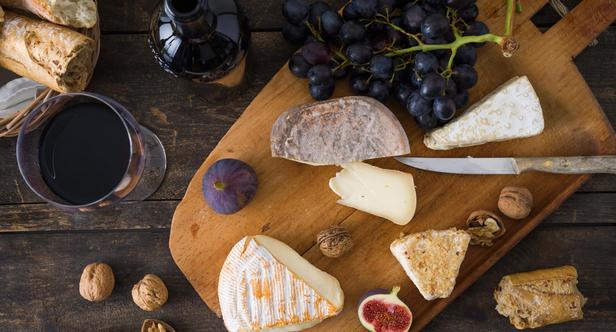
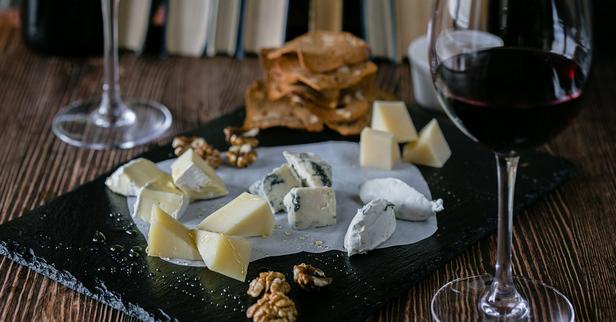
Cheeses in France are produced in different regions, and like wines, they all have distinct flavors. Brie and Camembert, produced in the suburbs of Paris, are soft, while Emmental, made in the eastern regions of the country, is hard. In central France, cheeses are primarily made from goat's milk, while in many other regions, they are made from cow's milk.
Cheeses are often named after the city or province where they are produced.
The history of French wine and cheese consumption culture
Cheese and wine are central to French cuisine. Cheese can be eaten in the morning, and wine is consumed beginning at lunchtime. Traditionally, French people eat a hot lunch in the middle of the day, and dinner is usually cold and light. This eating tradition coincides with the French custom of finishing everything by lunchtime. It's at lunchtime that children come home from school and dine with their parents. This way of life is gradually changing, of course, but for most people, it's still the way it is.
The French also drink wine midday. Colleagues often go out for lunch at a café or restaurant instead of going home, and a glass or two of wine with lunch is common. Wine on a Frenchman's table at a restaurant is the same as a glass of water for everyone else.
The French don't overindulge in wine and don't get drunk to the point of losing consciousness. Sipping wine during lunch or dinner is commonplace, even if it means going back to work.
French table etiquette This implies that you shouldn't pour your own wine. Someone else should do that. As for cheese, it's the opposite. The cheese plate is passed around the table, and you help yourself to as much as you need. If you're eating soft cheese, it's customary to eat it with bread. Don't eat the bread whole or cut off smaller pieces. Instead, break off bite-sized pieces of bread and spread the cheese on them.
Cheese and wine are typically enjoyed together. Certain types of cheese are paired with certain types of wine. However, you can experiment here. You might find your own unique wine and cheese pairings that you'll stick with.
Author of the article: Natalia Semenova "TopCook"
Votes: 1
Categories:
Related articles