Nutritional value of Gouda cheese
Gouda cheese gets its name from the Dutch city of the same name. It has a somewhat creamy texture and a delicate flavor. The longer the cheese is stored, the better its flavor. This yellowish product is made from cow's milk and comes in several varieties.
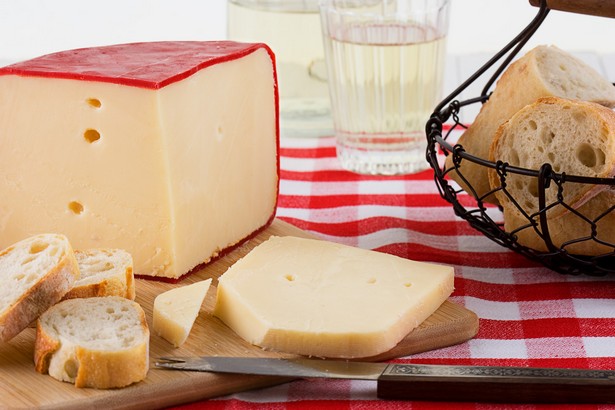
Gouda cheese gets its name from the Dutch city of the same name. It has a somewhat creamy texture and a delicate flavor. The longer the cheese is stored, the better its flavor. This yellowish product is made from cow's milk and comes in several varieties.
To make Gouda, milk is fermented and heated, causing it to curdle. It is then poured into round molds to harden into a round cheese. Once the cheese is ready, it is coated with red or yellow paraffin. The paraffin prevents the cheese from drying out. The cheese can be stored for many weeks after it is made, sometimes even a year. As it ages, it develops a deeper and more interesting flavor.
The Dutch government prohibits the use of raw milk in cheesemaking, requiring it to be pasteurized, but some producers violate this ban. Such cheesemakers exist in Australia, Israel, Brazil, and several other countries.
Because Gouda is high in fat, it's a good cheese for pasta, sandwiches, and cheese sauces. Gouda can be eaten whole or grated. Herbs can be added to the grated cheese, after which it can be used as directed.
Those who love creamy soft cheeses should definitely try Gouda. They're sure to love it.
Nutritional properties
Gouda cheese can be used in salads, meats, or cheese sandwiches. You might be wondering how many calories it contains. Below are the figures for regular and smoked Gouda cheese.
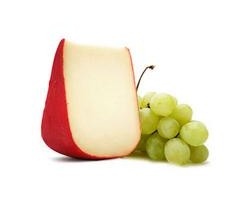 Regular Gouda cheese (100 g)
Sodium – 819 g;
Proteins – 25 g;
Calcium – 700 mg;
Carbohydrates – 2g;
Fats – 27 g;
Iron – 0.2 mg;
Cholesterol – 114 mg;
Sugar – 2 g;
Saturated fat – 18 g;
Vitamin A – 563 IU.
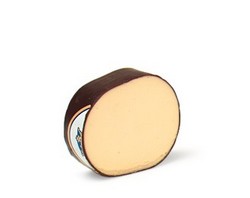 Smoked Gouda cheese (100 g)
Sodium – 290 mg;
Proteins – 6 g;
Calcium – 14%;
Carbohydrates – 0 g;
Fats – 7 g;
Iron – 0%;
Cholesterol – 200 mg;
Sugar – 0 g;
Saturated fat – 5 g;
Vitamin A – 6%.
Although there are endless debates about which cheese is better—pasteurized or unpasteurized—don't listen to anyone. Both are excellent cheeses. If you see one in the store, buy it with confidence.
However, if you're struggling with excess weight, you shouldn't overindulge in Gouda, as it's quite fatty. If you still crave Gouda, switch to smoked cheese, which is significantly lower in fat.
To make Gouda, milk is fermented and heated, causing it to curdle. It is then poured into round molds to harden into a round cheese. Once the cheese is ready, it is coated with red or yellow paraffin. The paraffin prevents the cheese from drying out. The cheese can be stored for many weeks after it is made, sometimes even a year. As it ages, it develops a deeper and more interesting flavor.
The Dutch government prohibits the use of raw milk in cheesemaking, requiring it to be pasteurized, but some producers violate this ban. Such cheesemakers exist in Australia, Israel, Brazil, and several other countries.
Because Gouda is high in fat, it's a good cheese for pasta, sandwiches, and cheese sauces. Gouda can be eaten whole or grated. Herbs can be added to the grated cheese, after which it can be used as directed.
Those who love creamy soft cheeses should definitely try Gouda. They're sure to love it.
Nutritional properties
Gouda cheese can be used in salads, meats, or cheese sandwiches. You might be wondering how many calories it contains. Below are the figures for regular and smoked Gouda cheese.
Regular Gouda cheese (100 g)Sodium – 819 g;
Proteins – 25 g;
Calcium – 700 mg;
Carbohydrates – 2g;
Fats – 27 g;
Iron – 0.2 mg;
Cholesterol – 114 mg;
Sugar – 2 g;
Saturated fat – 18 g;
Vitamin A – 563 IU.
Smoked Gouda cheese (100 g)Sodium – 290 mg;
Proteins – 6 g;
Calcium – 14%;
Carbohydrates – 0 g;
Fats – 7 g;
Iron – 0%;
Cholesterol – 200 mg;
Sugar – 0 g;
Saturated fat – 5 g;
Vitamin A – 6%.
Although there are endless debates about which cheese is better—pasteurized or unpasteurized—don't listen to anyone. Both are excellent cheeses. If you see one in the store, buy it with confidence.
However, if you're struggling with excess weight, you shouldn't overindulge in Gouda, as it's quite fatty. If you still crave Gouda, switch to smoked cheese, which is significantly lower in fat.
Votes: 1
Categories:
Related articles