All about food preservatives and food preservation methods
This article will teach you how to extend the shelf life of food products, as well as the most common modern preservatives.
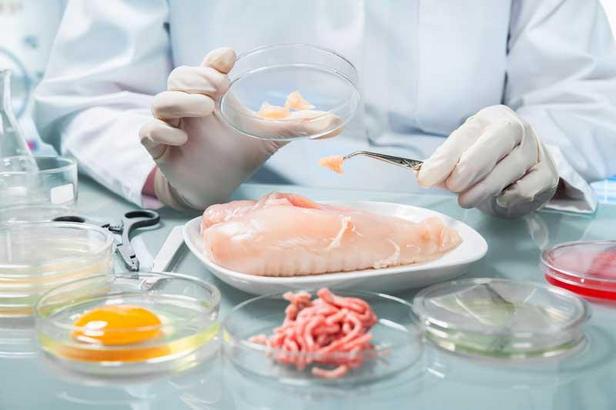
These days, grocery boxes and bags at the grocery store are labeled not only with ingredients but also with various chemicals. These chemicals are designed to help foods last longer and stay fresher. Is it bad to have preservatives in foods?
Nature dictates that we humans can only consume living organisms. Meat and fish can only be eaten fresh. If an animal has died and been left for several days, it will be impossible to eat it, as bacteria and microbes will develop and multiply within it. It's not the bacteria and microbes themselves that are primarily dangerous to humans, but the toxins they release. Plants that humans consume are also not always safe to eat if they're not fresh.
Over the past few thousand years, humans have developed a variety of ways to preserve crops and the animals they hunt. Some of these methods are still used today. What can be done to preserve food better?
Methods of preserving food
- RoastingThis process kills almost all microbes, so when people learned to fry meat, they stopped eating it raw.
- Boiling in water is a very effective way to sterilize food products.
- Sugaring This process involves immersing a product in a concentrated sugar solution. This draws moisture from the bacteria cells, causing them to die from dehydration, as they cannot survive without water.
- Salting It was invented around 2000 BC. Like sugar, salt draws water from microorganisms, which kills them.
- Cooling or freezing slows down the growth of bacteria and the course of chemical reactions.
- Treatment of foods with nitrites It kills bacteria and adds flavor and color. That's what makes ham and bacon look so appetizing.
- Fermentation Fermentation removes bacteria and yeast from a product and imparts a pleasant aroma. Wine, beer, yogurt, and other beverages undergo fermentation.
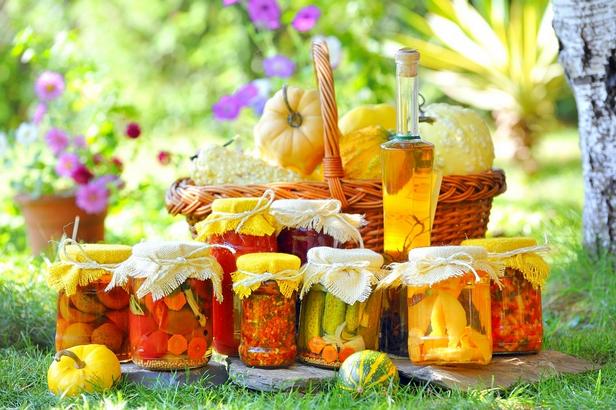
- Pickling or marinating – This is storing food in vinegar or salt water. Bacteria cannot grow in a salty and acidic environment.
Recipes for pickling vegetables:
- Rolling up products in vessels with lard prevents them from oxidizing when exposed to air.
- Drying It kills bacteria, mold, and yeast, which cannot survive without water. Meat, fish, and other foods are dried.
- Smoking – one of the oldest methods of cooking food over a fire. It not only dries out meat and fish but also imparts a unique flavor and aroma.
Modern preservatives
Modern preservatives include several effective chemicals that can keep food fresh for a long time and prevent bacterial growth. These include:
1. Antimicrobials

Antimicrobials inhibit the growth of bacteria, mold, and yeast. Sulfites are used in dried fruit, fruit juice preservation, and wine and vinegar production. Calcium propionate inhibits mold growth and bacterial proliferation in baked goods.
2. Antifungal drugs
Antifungals such as sodium benzoate, sorbic acid, and parabens prevent mold growth in beverages, jams, cheeses, cucumbers, salads, meat, and margarine. Benzoates are naturally found in cranberries, prunes, cinnamon, apples, and cloves, which is why these foods have been added to storage containers for hundreds of years.
3. Antioxidants
Antioxidants prevent food spoilage when exposed to air. For example, fat becomes rancid when exposed to oxygen. Antioxidants can prevent spoilage. These include sulfites, propyl gallate, ascorbic acid, and others.
4. Enzyme inhibitors
Enzyme inhibitors slow the spoilage process of fruits and vegetables. The enzyme phenolase begins to form in apples, potatoes, and bananas when they are struck or cut. The spots where they begin to darken contain phenolase. Phenolase formation can be prevented with citric or ascorbic acid. Sulfites also inhibit the formation of fruit-destroying enzymes.
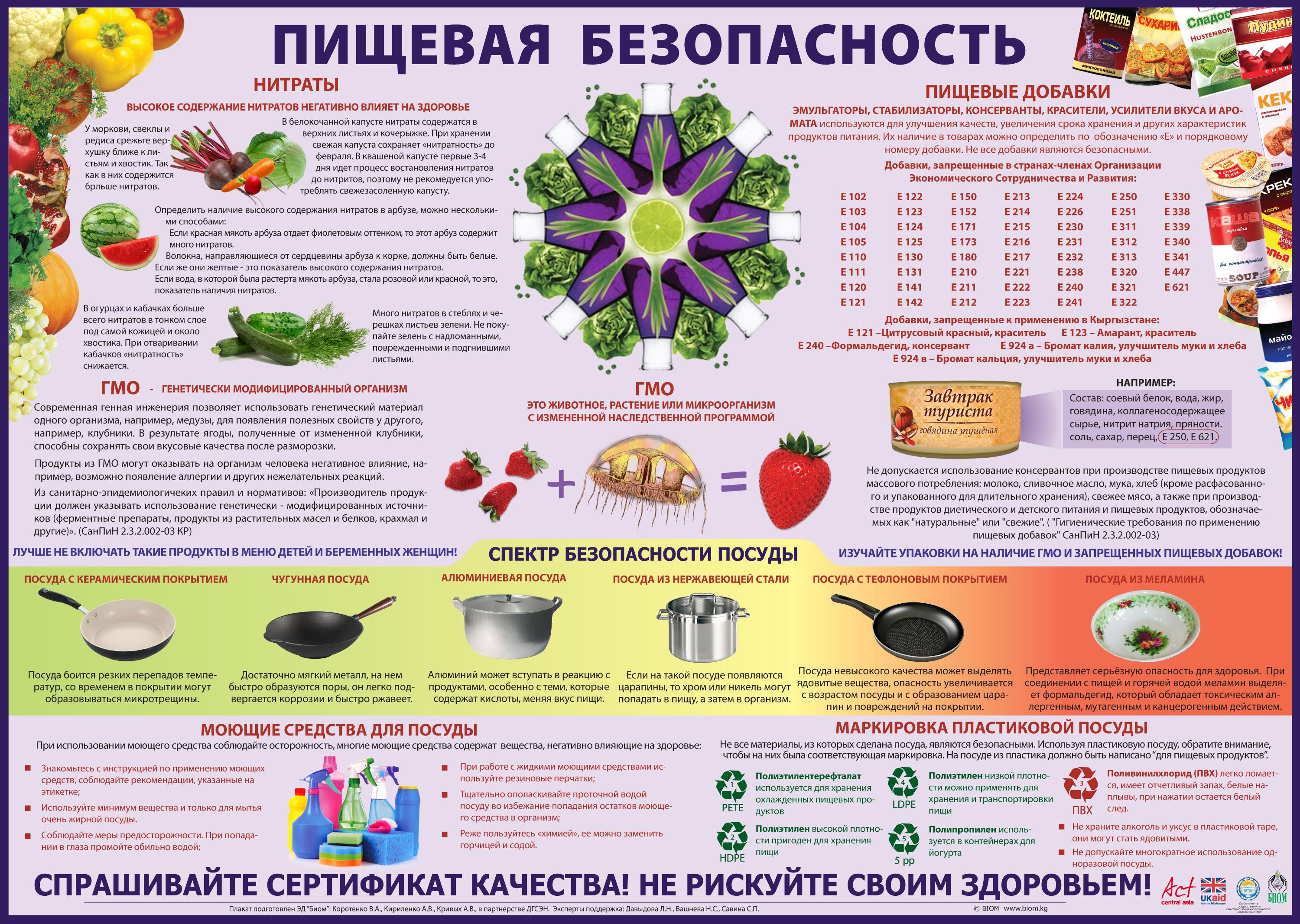
There are different ones in different countries special laws, permitting the use of certain food preservatives. Products sold in stores generally contain only approved preservatives and are therefore safe for health.
Nature dictates that we humans can only consume living organisms. Meat and fish can only be eaten fresh. If an animal has died and been left for several days, it will be impossible to eat it, as bacteria and microbes will develop and multiply within it. It's not the bacteria and microbes themselves that are primarily dangerous to humans, but the toxins they release. Plants that humans consume are also not always safe to eat if they're not fresh.
Over the past few thousand years, humans have developed a variety of ways to preserve crops and the animals they hunt. Some of these methods are still used today. What can be done to preserve food better?
Methods of preserving food
- RoastingThis process kills almost all microbes, so when people learned to fry meat, they stopped eating it raw.
- Boiling in water is a very effective way to sterilize food products.
- Sugaring This process involves immersing a product in a concentrated sugar solution. This draws moisture from the bacteria cells, causing them to die from dehydration, as they cannot survive without water.
- Salting It was invented around 2000 BC. Like sugar, salt draws water from microorganisms, which kills them.
- Cooling or freezing slows down the growth of bacteria and the course of chemical reactions.
- Treatment of foods with nitrites It kills bacteria and adds flavor and color. That's what makes ham and bacon look so appetizing.
- Fermentation Fermentation removes bacteria and yeast from a product and imparts a pleasant aroma. Wine, beer, yogurt, and other beverages undergo fermentation.
- Pickling or marinating – This is storing food in vinegar or salt water. Bacteria cannot grow in a salty and acidic environment.
Recipes for pickling vegetables:
- Rolling up products in vessels with lard prevents them from oxidizing when exposed to air.
- Drying It kills bacteria, mold, and yeast, which cannot survive without water. Meat, fish, and other foods are dried.
- Smoking – one of the oldest methods of cooking food over a fire. It not only dries out meat and fish but also imparts a unique flavor and aroma.
Modern preservatives
Modern preservatives include several effective chemicals that can keep food fresh for a long time and prevent bacterial growth. These include:
1. Antimicrobials
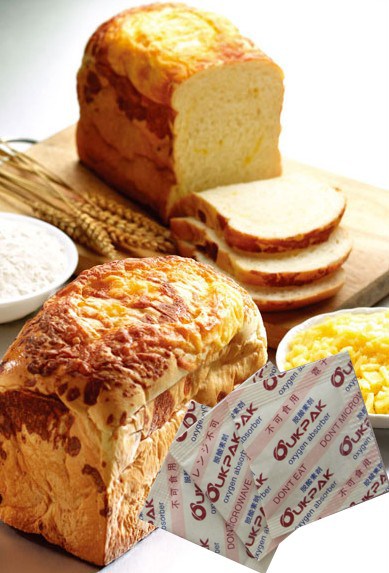
Antimicrobials inhibit the growth of bacteria, mold, and yeast. Sulfites are used in dried fruit, fruit juice preservation, and wine and vinegar production. Calcium propionate inhibits mold growth and bacterial proliferation in baked goods.
2. Antifungal drugs
Antifungals such as sodium benzoate, sorbic acid, and parabens prevent mold growth in beverages, jams, cheeses, cucumbers, salads, meat, and margarine. Benzoates are naturally found in cranberries, prunes, cinnamon, apples, and cloves, which is why these foods have been added to storage containers for hundreds of years.
3. Antioxidants
Antioxidants prevent food spoilage when exposed to air. For example, fat becomes rancid when exposed to oxygen. Antioxidants can prevent spoilage. These include sulfites, propyl gallate, ascorbic acid, and others.
4. Enzyme inhibitors
Enzyme inhibitors slow the spoilage process of fruits and vegetables. The enzyme phenolase begins to form in apples, potatoes, and bananas when they are struck or cut. The spots where they begin to darken contain phenolase. Phenolase formation can be prevented with citric or ascorbic acid. Sulfites also inhibit the formation of fruit-destroying enzymes.
There are different ones in different countries special laws, permitting the use of certain food preservatives. Products sold in stores generally contain only approved preservatives and are therefore safe for health.
Author of the article: Natalia Semenova "TopCook"
Votes: 1
Categories:
Related articles