Kosher salt substitutes
Salt is an essential ingredient in many dishes, significantly enhancing the flavor of their ingredients. Edible salt comes in many different types: sea salt, rock salt, Celtic salt, iodized salt, kosher salt, and table salt.
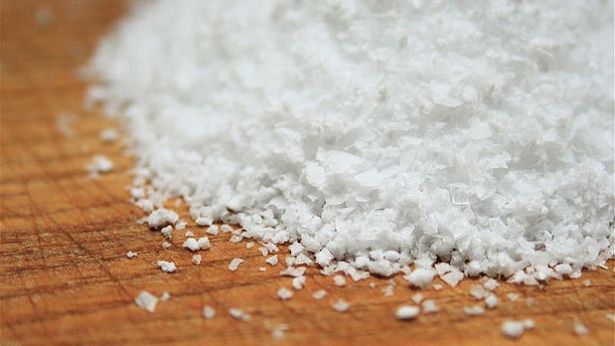
Salt is an essential ingredient in many dishes, significantly enhancing the flavor of their ingredients. Edible salt comes in many forms: sea, rock, Celtic, iodized, kosher, and table salt. Each type differs slightly in taste, texture, processing methods, degrees of processing, and source. Salt can be extracted from salt mines or distilled from seawater. Celtic salt, for example, is extracted from the waters of the Celtic Sea by evaporating the salt water in the sun.
Kosher salt Kosher salt is one of the most common. How does it differ from table salt? Its grains are very large, more like flakes than crystals. Kosher salt can be obtained from both salt mines and seawater. It has a milder flavor, and its wide grains take up more space, drawing more liquid and blood from meat. This salt is not kosher food at all. It is simply used to prepare kosher meat, that's all.
In some countries, it's quite inexpensive, even cheaper than table salt. It's easy to collect if you accidentally spill it—the large flakes are very visible, which can't be said about regular salt.
If you plan to use kosher salt for pickling vegetables or other foods, you should use measuring utensils to ensure accurate measurements.
What can replace kosher salt?
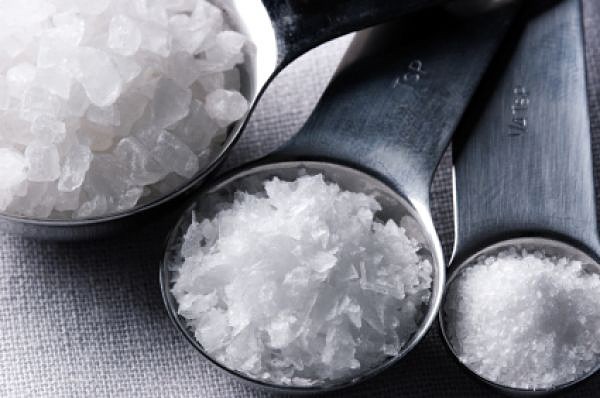
1. Table salt. It's the most readily available. However, it must be measured carefully. For example, if a recipe calls for 1 teaspoon of kosher salt, then table salt will require 1/2 to 3/4 teaspoon. If you weigh the salt, use the same number of grams of table salt as the recipe calls for kosher salt. It's also important to remember that different brands of kosher salt may have different grain sizes. Therefore, measuring and weighing everything is crucial.
2. Sea salt. This is also a good substitute for kosher salt. Sometimes you may need much less than the recipe would call for. Again, it all depends on the size of the grains.
3. Salt for pickling. It's used for pickling and canning. It can also be used in place of kosher salt. For every teaspoon of kosher salt, you'll need 1 1/4 to 1 1/2 teaspoons of pickling salt. If you can't find this salt, use regular sea salt.
When choosing salt substitutes, remember that they all add saltiness to dishes. They differ only in the size of the grains and their texture. Therefore, to avoid spoiling the dish, use salt by weight. Otherwise, salt everything to taste.
Kosher salt Kosher salt is one of the most common. How does it differ from table salt? Its grains are very large, more like flakes than crystals. Kosher salt can be obtained from both salt mines and seawater. It has a milder flavor, and its wide grains take up more space, drawing more liquid and blood from meat. This salt is not kosher food at all. It is simply used to prepare kosher meat, that's all.
In some countries, it's quite inexpensive, even cheaper than table salt. It's easy to collect if you accidentally spill it—the large flakes are very visible, which can't be said about regular salt.
If you plan to use kosher salt for pickling vegetables or other foods, you should use measuring utensils to ensure accurate measurements.
What can replace kosher salt?
1. Table salt. It's the most readily available. However, it must be measured carefully. For example, if a recipe calls for 1 teaspoon of kosher salt, then table salt will require 1/2 to 3/4 teaspoon. If you weigh the salt, use the same number of grams of table salt as the recipe calls for kosher salt. It's also important to remember that different brands of kosher salt may have different grain sizes. Therefore, measuring and weighing everything is crucial.
2. Sea salt. This is also a good substitute for kosher salt. Sometimes you may need much less than the recipe would call for. Again, it all depends on the size of the grains.
3. Salt for pickling. It's used for pickling and canning. It can also be used in place of kosher salt. For every teaspoon of kosher salt, you'll need 1 1/4 to 1 1/2 teaspoons of pickling salt. If you can't find this salt, use regular sea salt.
When choosing salt substitutes, remember that they all add saltiness to dishes. They differ only in the size of the grains and their texture. Therefore, to avoid spoiling the dish, use salt by weight. Otherwise, salt everything to taste.
Votes: 1
Categories:
Related articles