How to cook bacon at home
Votes: 3
Curing bacon at home is easy, but it requires a special ingredient: pink nitrite salt, also known as Prague powder or InstaCure #1. It's a mixture of regular table salt and sodium nitrite, which aids in the curing process and inhibits the growth of botulism spores. This salt can be purchased at specialty stores, butchers, or online. (Not to be confused with regular salt, which is naturally pink, such as Himalayan pink salt*.)
*Please note: Although nitrite salt can be safely used for curing, it is toxic in its pure form and should never be used as regular salt.
Make a basic curing mixture from 450 gr. kosher or sea salt, 230 g of sugar, and 8 teaspoons of nitrite salt, whisk thoroughly. This will be enough for more than one pickling; any excess can be stored in an airtight container indefinitely.
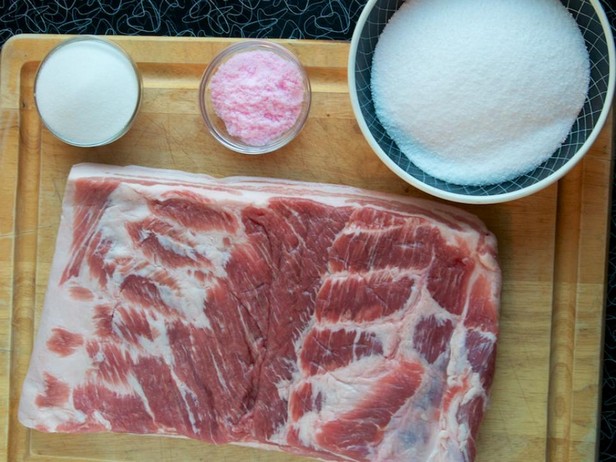
Start with a whole pork belly (belly) with skin, weighing between 1.4 and 2.3 kg. Trim any rough edges to create a neat rectangle.
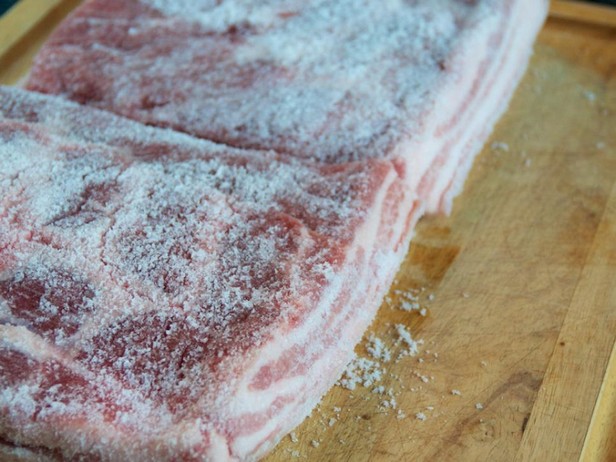
Spread about 1/4 cup of the curing mixture on a baking sheet. You can add additional seasonings if desired, such as 1/4 cup brown sugar for a sweeter bacon, or a few crushed garlic cloves and peppercorns for a savory flavor. Roll the pork in the curing mixture until it's coated thickly and evenly on all sides.
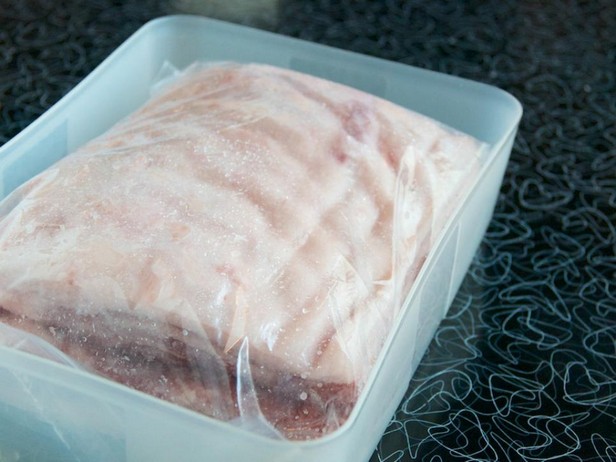
Place the seasoned pork in a 2-gallon zip-lock bag and seal. Place the bag in a container to catch any juices that may escape; the pork will release a lot of liquid during the curing process.
Place the container in the refrigerator. Turn the bag daily to allow the juices to distribute around the meat.
On the seventh day, check the pork for firmness. Press your finger into the thickest part: if it's firm, the meat is ready; if it's still soft, leave it in the refrigerator to marinate for another 1-2 days until firm.
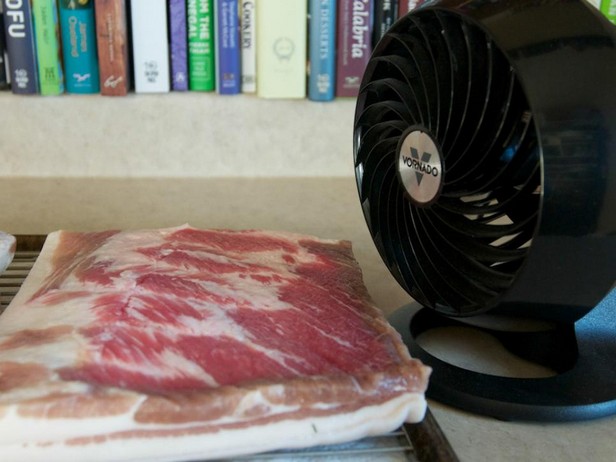
When the brisket is done, remove it from the bag and drain any excess liquid. Rinse the pork with cold water and pat dry. Place it on a wire rack set on a baking sheet lined with paper towels; set a fan on low speed on one side. The goal is to dry the meat and create a sticky film on the surface. Alternatively, you can refrigerate the pork on a wire rack, uncovered, for up to 3 days.
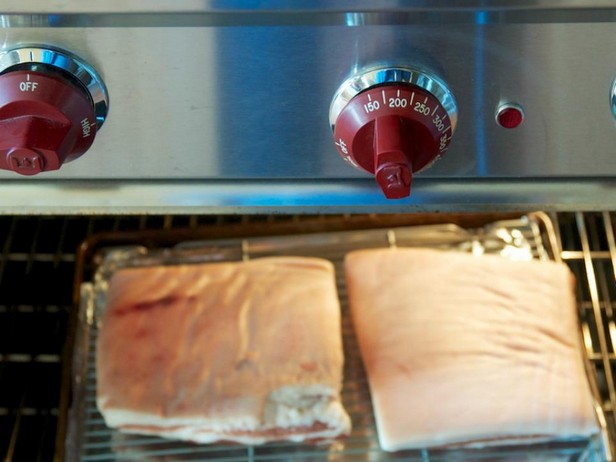
Preheat the oven or smoker to 200°F (93°C). Place the pork on a rack set on a foil-lined baking sheet to catch the rendered fat. A smoker will add a richer flavor, but is not technically necessary.
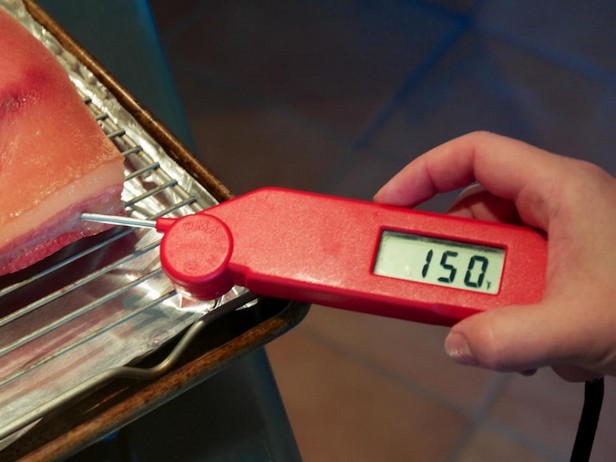
Roast the pork until the internal temperature in the thickest part reaches 145°F (65.5°C), about 1 1/2 to 2 hours.
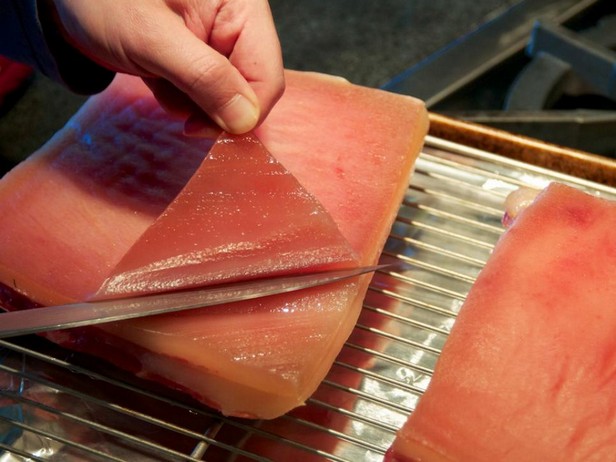
While the bacon is still hot but not burning your hands, trim the skin with a sharp knife. Remove the skin. Let the meat cool to room temperature, wrap tightly, and store in the refrigerator for up to 2 weeks. Alternatively, slice thinly, wrap, and freeze for up to 3 months.
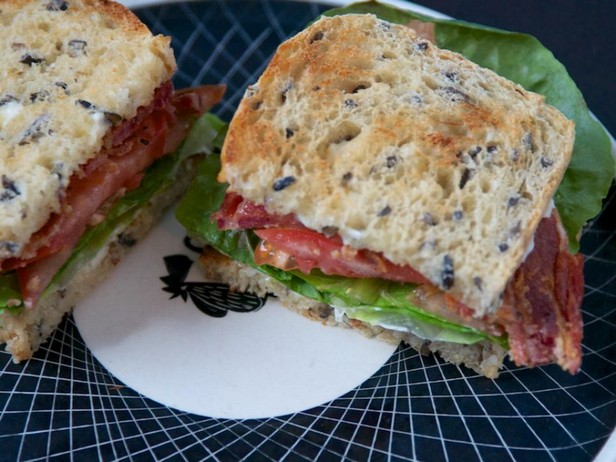
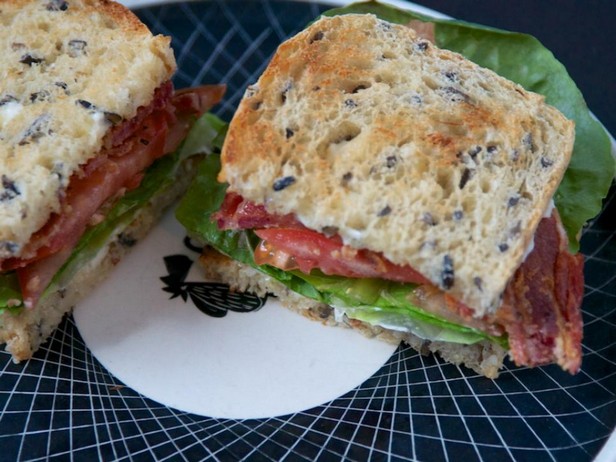
Enjoy homemade bacon just like you would store-bought: fry slices until crispy, or wrap leaner cuts in it for extra juiciness.
Categories:
Similar recipes