Wasabi
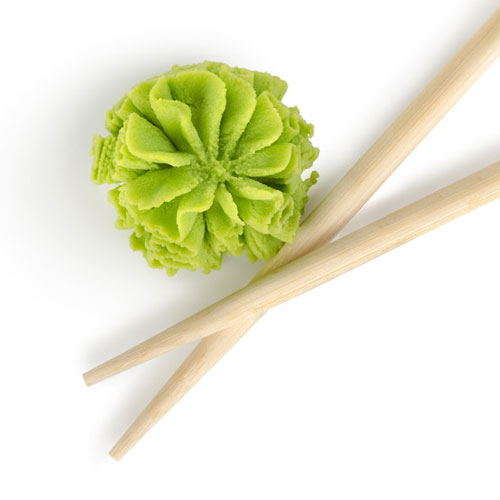
While horseradish is a popular condiment in Russian cuisine, wasabi is a popular condiment in Japanese cuisine. This plant is very similar to watercress. It has a pale green root that is used fresh or dried. The fresh root is grated and made into a paste, while the dried root is made into powder. Wasabi is a pungent and spicy plant. It is a staple in Japanese cuisine and is usually served with sushi or sashimi. While not as pungent as Russian horseradish, it is still quite hot, so it should be consumed with caution.
Forms of wasabi production
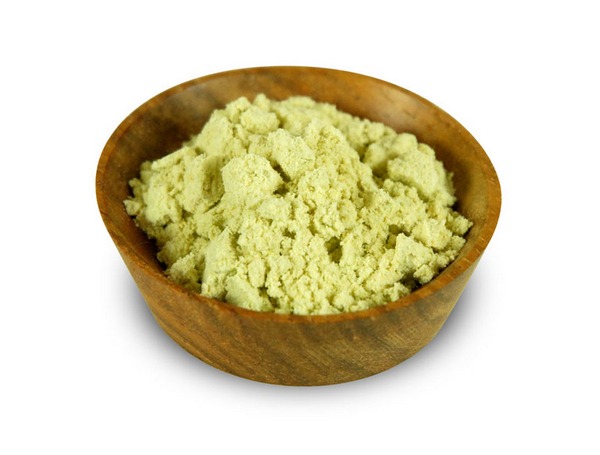
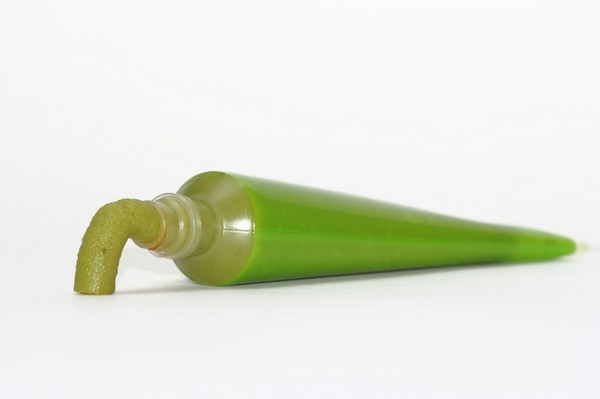
Wasabi is most conveniently used as a paste in tubes or as a powder. Fresh wasabi root is also available in some Asian stores.

Culinary uses
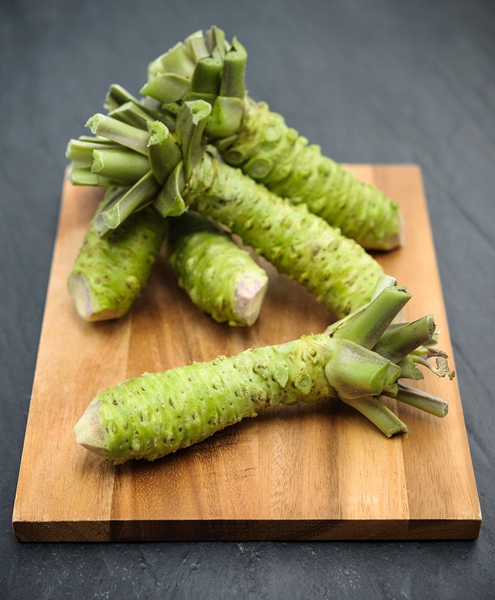
Fresh wasabi root should be processed in the same way as horseradish root, by grating it. Powdered wasabi is mixed with water or soy sauce. To do this, place 1 teaspoon of powder in an egg cup, add the same amount of warm water or soy sauce, and stir. Then, invert the cup onto a saucer and let the resulting paste steep for 10 minutes to release the aroma. Inverting the cup prevents the paste from drying out, and it stays fresh. Stores sell ready-made wasabi paste in tubes.
Wasabi is served with sushi, sashimi, salads, marinades and noodle dishes.
In cooking, this seasoning can be replaced with regular horseradish.
Storage
Fresh wasabi root should be refrigerated, wrapped in a perforated plastic bag. It will keep this way for about a week. Powdered or paste-based wasabi should also be stored in a cool, dark place; it will keep for up to a year.
All recipes with wasabi
Categories:
Related articles