Soft-shell crab
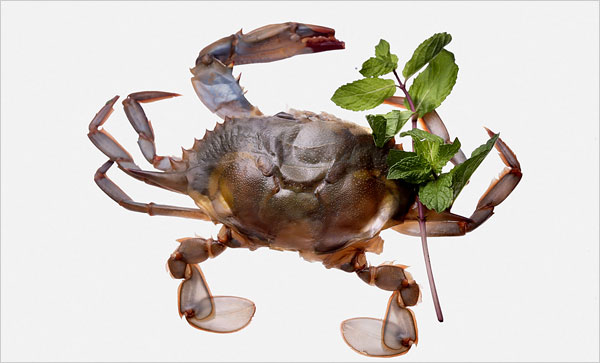
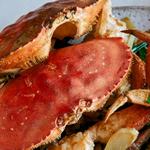
Soft-shell crab meat is extremely popular all over the world. During the fishing season, particularly in early spring, crab lovers begin to enjoy their favorite product fried, breaded, grilled, and deep-fried.
This article is for those who know nothing about crabs, as well as for those who adore them. It will teach you how to buy and cook soft-shell crab.
What kind of animal is this and how to buy it?
Contrary to popular belief that this crab's shell is always soft, this is not true. The shell of an adult crab is hard. However, it only becomes soft at a certain stage of its development.
As the crab grows, one shell sheds, and another grows. This shell shedding occurs repeatedly throughout the life of this marine animal. A new shell forms beneath the old one, then swells and grows so large that the old hard shell bursts on the back and sheds.
A crab is a fairly flexible animal, so even with its new soft shell, it can quickly shed its old one. Once this happens, it looks just like before, except that the new shell is much softer than the old one.
In the wild, during the shedding period, crabs are very vulnerable because the new shell does not begin to harden immediately, but after several hours.
How do fishermen manage to catch crabs in such a short time? In fact, fishermen catch the crabs much earlier, before they even begin to shed their shells. The crabs are kept in special temperature-controlled tanks until they begin to molt. Once a new soft shell forms, the crabs are removed from the water, wrapped in damp seaweed or other similar materials, and shipped to fresh seafood markets or frozen.
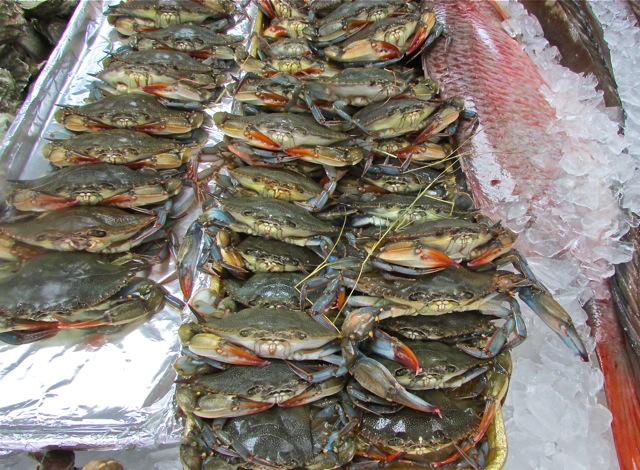
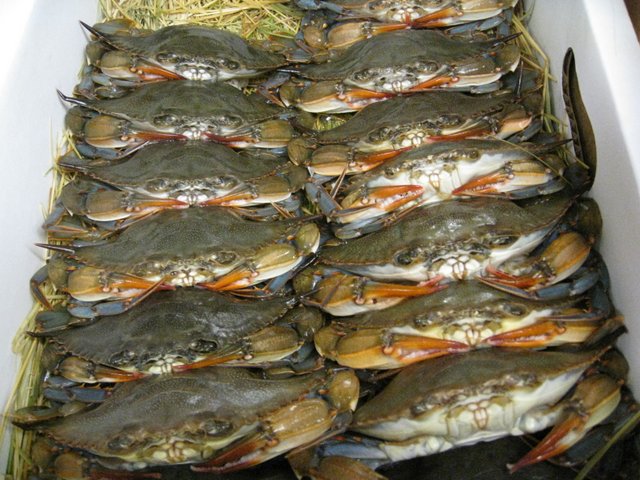
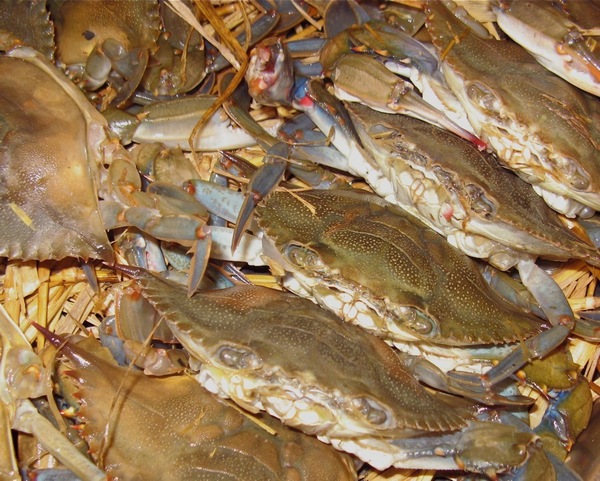
Soft-shell crabs are best purchased alive. When their shells are still soft, they move very little and very slowly. Don't hesitate to examine them closely and even smell them right at the market. Never buy crabs or other marine animals that emit a strong odor. Fresh crab, like fresh fish, smells almost identical to the seawater from which it was caught.
Culinary uses
If you buy frozen crab, it's likely already shelled and ready to eat. If the crab is fresh, you'll need to prep it first. It's quite simple. Take a pair of large kitchen scissors and cut the crab's shell behind its eyes. This kills the crab instantly.
Then lift both halves of the shell and remove the feathery gills, or "lungs," from underneath. Then turn the crab over and remove the shell plate from the bottom. That's it!
Preparation
Soft-shell crabs can be eaten whole. Their shells are now very pliable, making them easy to remove, revealing delicious, juicy, and slightly sweet meat with a distinctive crab flavor.
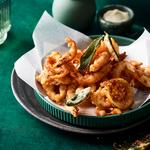
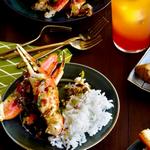
The best cooking methods are simple frying and grilling. Crabs are fried for 4 minutes per side, baked whole for 8 minutes, or grilled for 5 minutes per side.
Lately, crabs are often pan-fried with butter. You can also use olive oil, then add white wine, fresh lemon juice, 1-2 teaspoons of capers, chopped parsley, salt, and pepper. The result is a simply amazingly delicious dish!
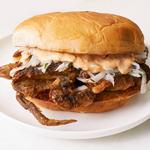
You can also make a classic crab sandwich. Place lettuce and tomatoes on bread, top with fried, rolled crab meat, and drizzle with mayonnaise or tartar sauce—nothing can overpower the sweet flavor and aroma of real crab meat! Add some shredded kale or hot peppers, and you've got yourself a delicious sandwich!
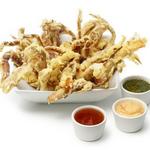
Many people love breaded crabmeat. Mix one part each of wheat and corn flour, add a little garlic powder, a generous amount of ground black pepper, and a pinch of hot red pepper. If you're feeling creative, you can add dried mushroom powder or grated Parmesan cheese to the breading.
Attention! When frying in a pan, steam can accumulate in the crab claws and legs, causing them to burst and splatter hot oil all over the place. To prevent this, pierce the crab claws and legs with a skewer before frying.
Step-by-step cooking recipe
crab rangoon sandwiches
All recipes with crab meat
Categories:
Related articles