Do horseshoe crabs get eaten?
The article talks about horseshoe crabs and how to cook them.
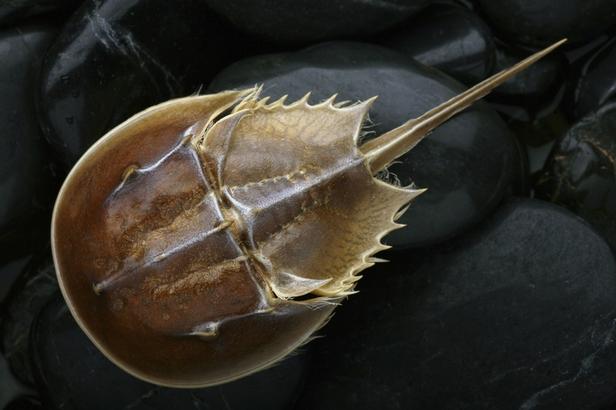
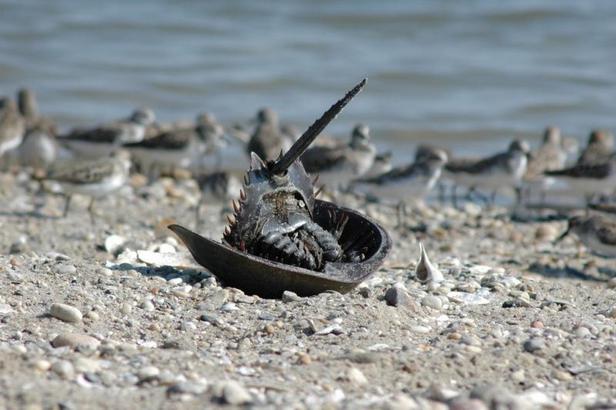
Horseshoe crabs Although they resemble some crustaceans, they are not actually crustaceans. They belong to a completely different subphylum—Chelicerata—and are more closely related to spiders, scorpions, and prehistoric trilobites. They are completely harmless and do not bite, despite their menacing appearance. They have a very sharp tail, but this is not used for defense. They use it to flip over if they suddenly end up on their backs.
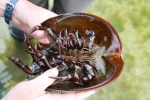
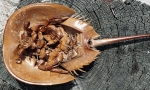
There are 4 species of horseshoe crabs. They are not particularly popular as a food source, although they are available in menu of some Asian countries, such as Malaysia.
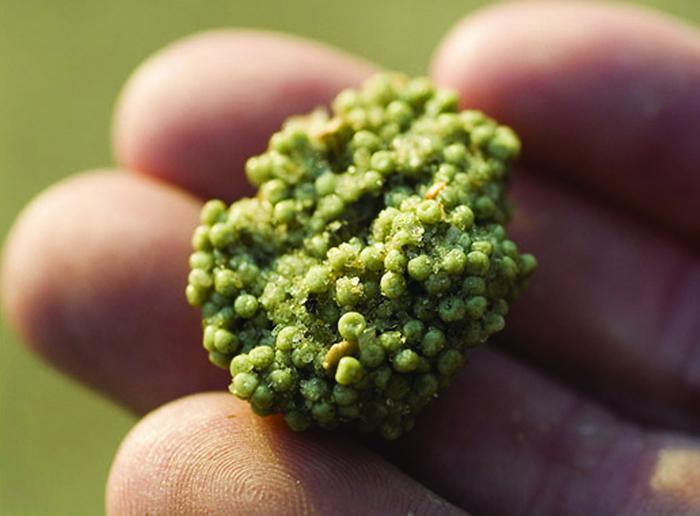
Horseshoe crabs have no edible fleshy parts, with the exception of their eggs. This is what most large migratory birds, turtles, and other marine animals feed on. The eggs are located on the underside of the horsehair crab's body and are green or orange. In some Asian countries, they are considered an aphrodisiac, making them particularly sought after and quite expensive. The eggs are overly salty in taste and rubbery to the touch. Orange eggs are considered superior to green, although some gourmets, for some reason, prefer green.
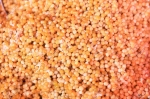
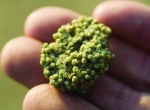
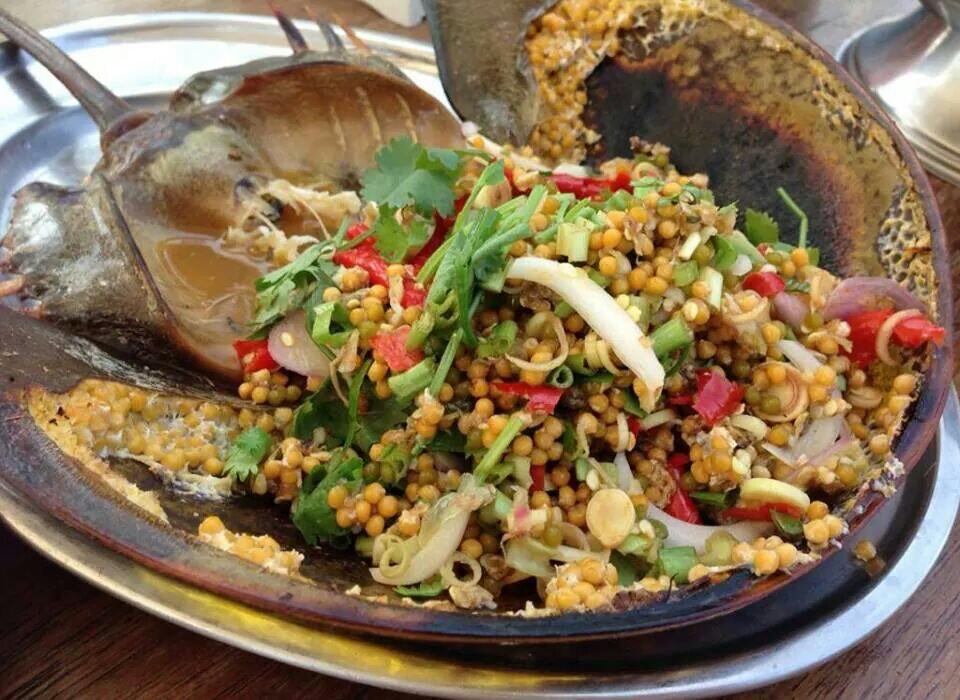
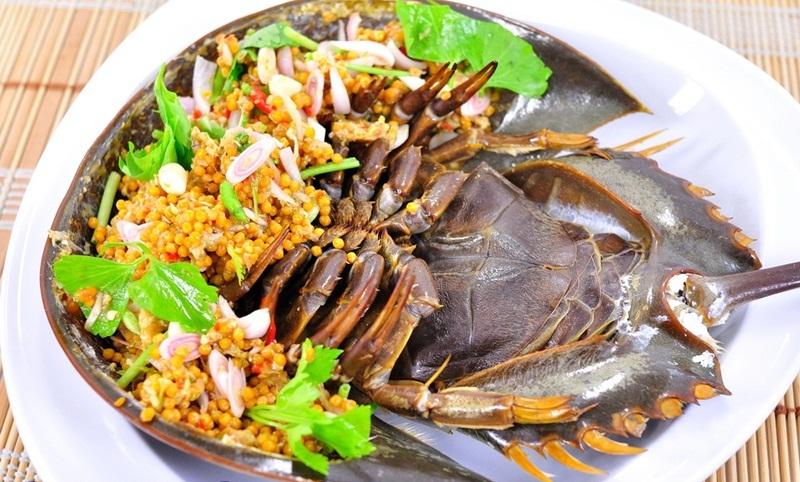
However, in restaurants where horseshoe crab is a popular dish, they serve more than just the caviar. Sometimes the entire animal, still in its shell, is also offered. In this case, the carcass is grilled and then transferred to a plate. You can remove the caviar and eat it yourself, but the rest of the animal is not consumed.
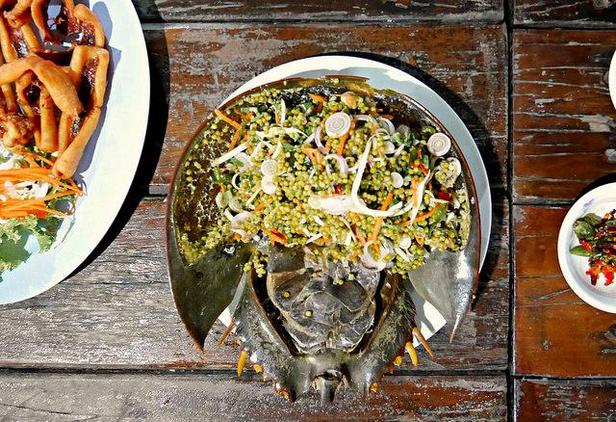
Sometimes horseshoe crab caviar isn't just eaten on its own; it's added to salads. Before cooking, the horseshoe crab is boiled in water for 3 minutes, cooled, the caviar is removed, rinsed thoroughly, and added to the salad.
We recommend reading:
It's important to know that there are special rules for extracting the caviar, cleaning it, and preparing dishes with it. This is crucial. Some species of horseshoe crab are dangerous to humans because they contain a powerful neurotoxin called tetrodotoxin, which can cause not only severe food poisoning but also death. In Thailand and Cambodia, there have been fatal cases after consuming horseshoe crab caviar. Scientific studies have shown that the neurotoxin is present in horseshoe crab caviar only during certain times of the year.
This isn't the only unpleasant side effect that can occur after consuming horseshoe crab caviar. Allergic reactions can sometimes occur, but they respond well to treatment with chlorpheniramine. To avoid allergies, it's simply not recommended to consume the caviar of young specimens.
As mentioned above, there are no edible parts of the animal other than the roe. Even if you find a soft part and want to try it, it's highly recommended, as locals claim it can cause dizziness.
Today, horseshoe crabs can be found in restaurants not only in Southeast Asia but also in many other parts of the world. Special chemical testing kits are also available to detect the presence of tetrodotoxin in the animals. However, even if tetrodotoxin is absent, the caviar is only safe to consume if it is properly prepared. Only a qualified chef can do this properly. Therefore, you should never prepare horseshoe crabs yourself without some experience handling them. This will help prevent poisoning, allergies, and other complications.
A study of horseshoe crab blood has identified components that promote human blood clotting. These unusual animals are used in the production of various injectable medications, which have already helped save millions of lives. Horseshoe crab blood is blue.
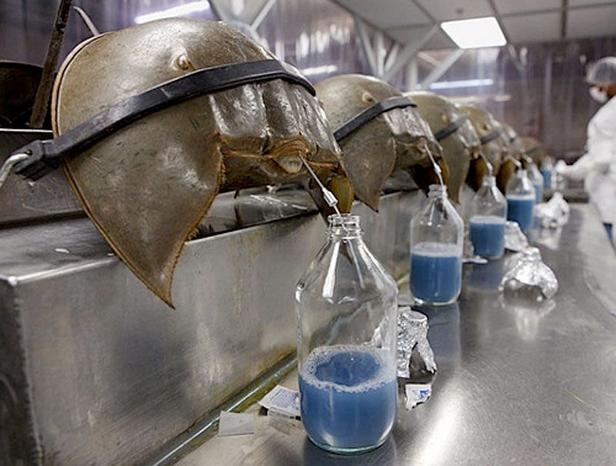
Furthermore, horseshoe crab shells contain chitin, which is used in the production of burn dressings. Chitin-containing bandages ensure effective and rapid healing of skin damaged by burns. This has made horseshoe crabs particularly prized.
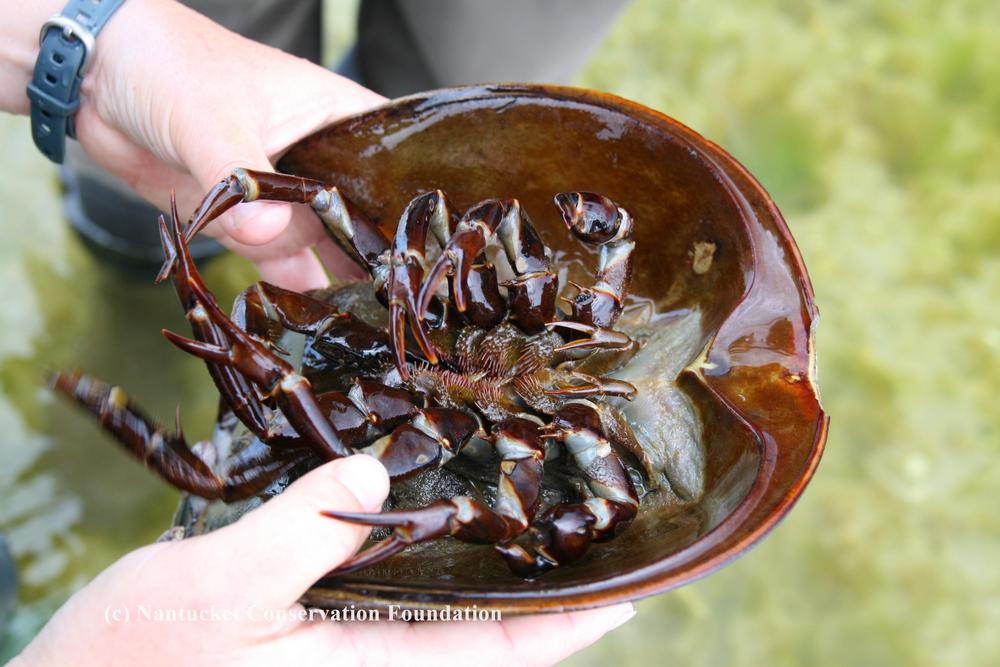
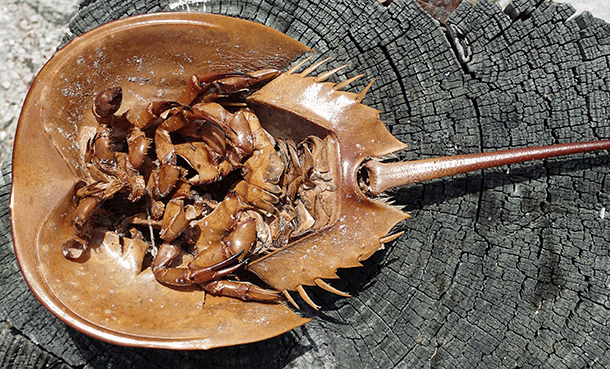
There are 4 species of horseshoe crabs. They are not particularly popular as a food source, although they are available in menu of some Asian countries, such as Malaysia.
Horseshoe crab caviar
Horseshoe crabs have no edible fleshy parts, with the exception of their eggs. This is what most large migratory birds, turtles, and other marine animals feed on. The eggs are located on the underside of the horsehair crab's body and are green or orange. In some Asian countries, they are considered an aphrodisiac, making them particularly sought after and quite expensive. The eggs are overly salty in taste and rubbery to the touch. Orange eggs are considered superior to green, although some gourmets, for some reason, prefer green.
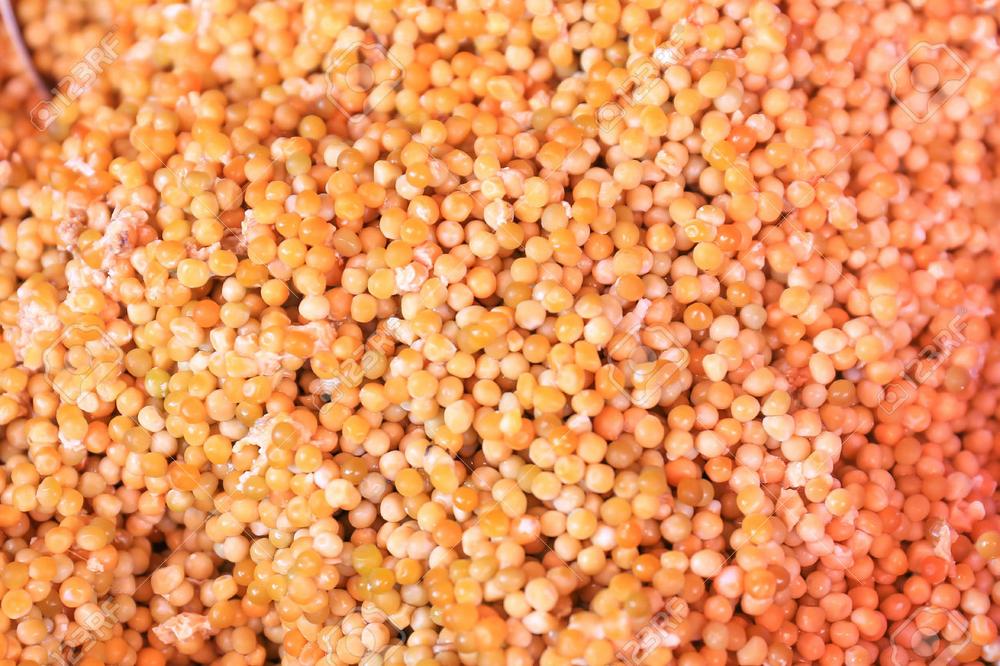
However, in restaurants where horseshoe crab is a popular dish, they serve more than just the caviar. Sometimes the entire animal, still in its shell, is also offered. In this case, the carcass is grilled and then transferred to a plate. You can remove the caviar and eat it yourself, but the rest of the animal is not consumed.
Sometimes horseshoe crab caviar isn't just eaten on its own; it's added to salads. Before cooking, the horseshoe crab is boiled in water for 3 minutes, cooled, the caviar is removed, rinsed thoroughly, and added to the salad.
We recommend reading:
The dangers of eating horseshoe crabs
It's important to know that there are special rules for extracting the caviar, cleaning it, and preparing dishes with it. This is crucial. Some species of horseshoe crab are dangerous to humans because they contain a powerful neurotoxin called tetrodotoxin, which can cause not only severe food poisoning but also death. In Thailand and Cambodia, there have been fatal cases after consuming horseshoe crab caviar. Scientific studies have shown that the neurotoxin is present in horseshoe crab caviar only during certain times of the year.
This isn't the only unpleasant side effect that can occur after consuming horseshoe crab caviar. Allergic reactions can sometimes occur, but they respond well to treatment with chlorpheniramine. To avoid allergies, it's simply not recommended to consume the caviar of young specimens.
As mentioned above, there are no edible parts of the animal other than the roe. Even if you find a soft part and want to try it, it's highly recommended, as locals claim it can cause dizziness.
Keep in mind
Today, horseshoe crabs can be found in restaurants not only in Southeast Asia but also in many other parts of the world. Special chemical testing kits are also available to detect the presence of tetrodotoxin in the animals. However, even if tetrodotoxin is absent, the caviar is only safe to consume if it is properly prepared. Only a qualified chef can do this properly. Therefore, you should never prepare horseshoe crabs yourself without some experience handling them. This will help prevent poisoning, allergies, and other complications.
Horseshoe crab blood
A study of horseshoe crab blood has identified components that promote human blood clotting. These unusual animals are used in the production of various injectable medications, which have already helped save millions of lives. Horseshoe crab blood is blue.
Furthermore, horseshoe crab shells contain chitin, which is used in the production of burn dressings. Chitin-containing bandages ensure effective and rapid healing of skin damaged by burns. This has made horseshoe crabs particularly prized.
Author of the article: Natalia Semenova "TopCook"
Votes: 2
Categories:
Related articles