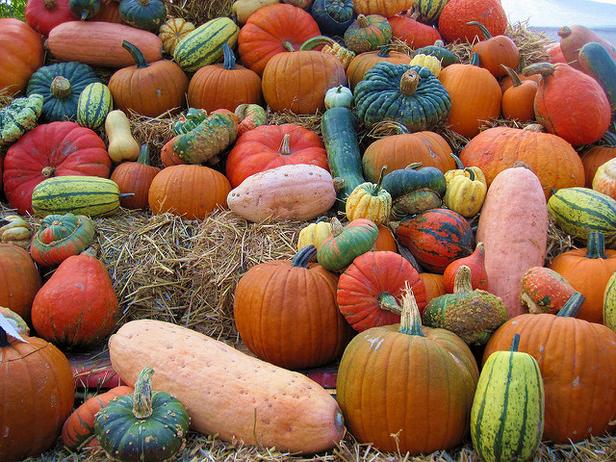
In this article, you'll learn about pumpkin varieties and also read culinary tips on preparing this autumn vegetable.
Field Pumpkin
Halloween pumpkins are meant for carving, not eating: the flesh is tough, but the roasted seeds are delicious.
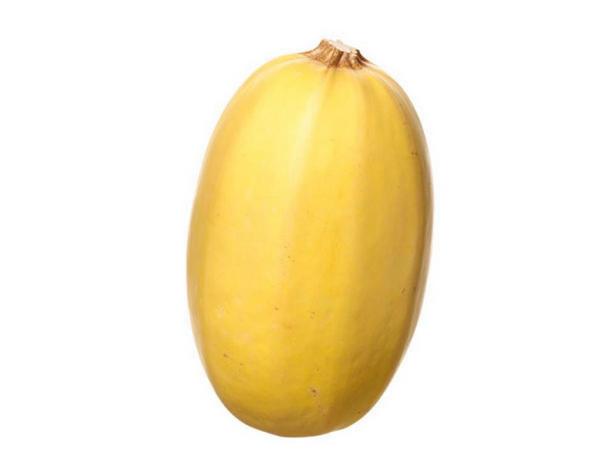
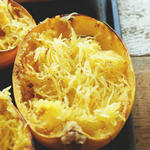
Spaghetti squash or spaghetti squash
When the zucchini is cooked, the flesh separates easily into fibers, so this vegetable can be served like pasta.
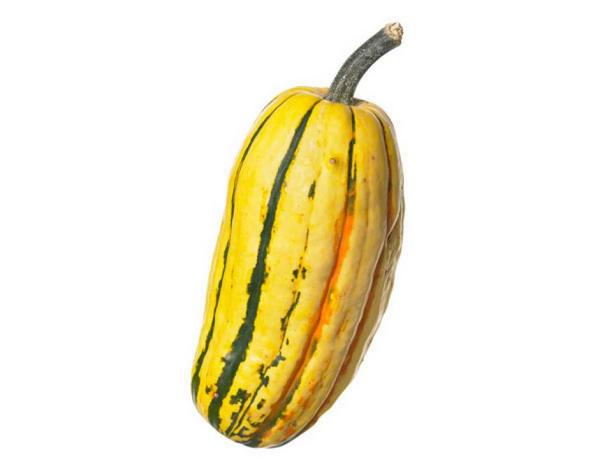
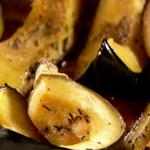
Delicata Squash
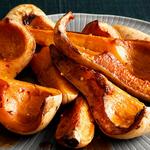
Also called sweet potato squash, this variety is thin-skinned, so you can eat the skin after baking.
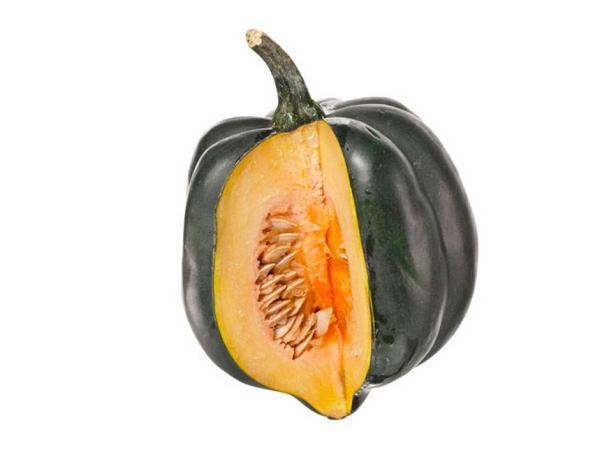
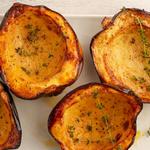
Acorn Squash (Pepper Squash or Des Moines Squash)
This fibrous pumpkin can be soft depending on the season. No need to peel; the skin is edible.
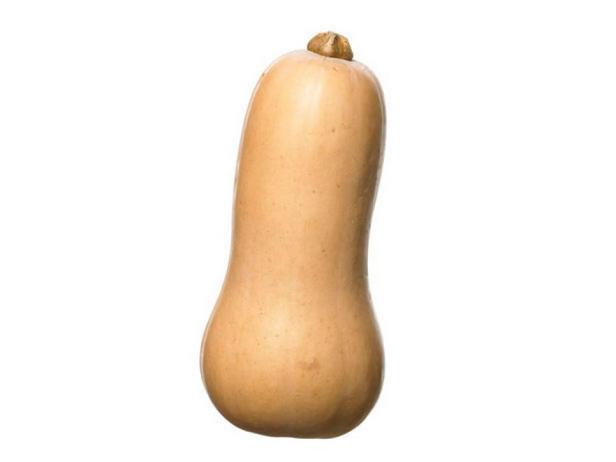
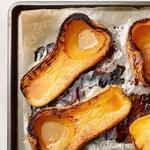
Butternut Squash
This is the most delicious pumpkin: it has a very rich aroma and sweet flavor. Use a paring knife to remove the skin.
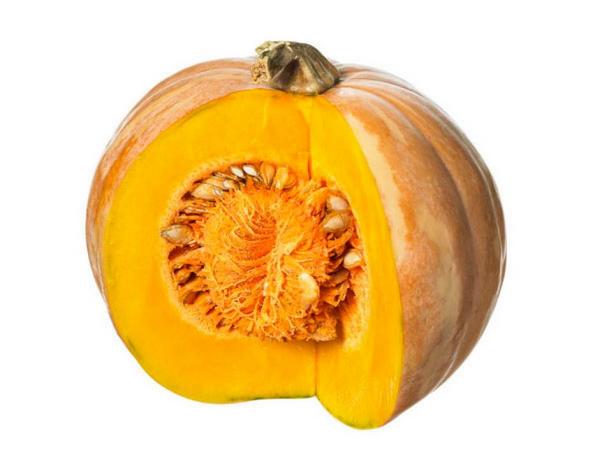
Sugar Pie Pumpkin
This pumpkin variety looks like a small field pumpkin, but it is intended for cooking: the sweet flesh is ideal for
pies.
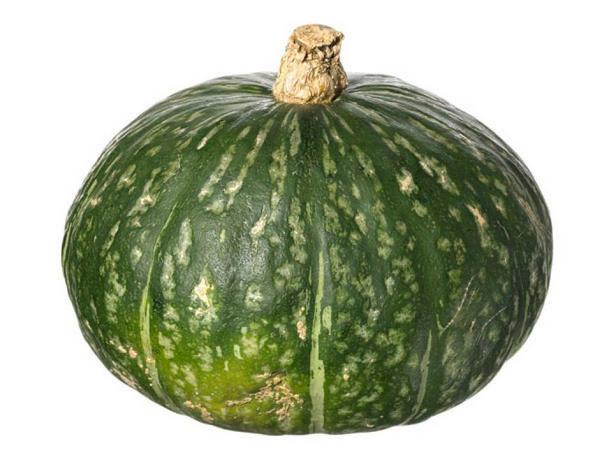
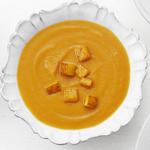
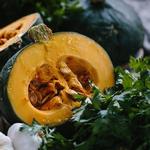
Kabocha Squash
This Japanese pumpkin becomes very tender and creamy after cooking, making it perfect for
pureed soups.
Calabaza Squash
Popular throughout Latin America, calabaza (pumpkin in Spanish) tastes similar to butternut squash.
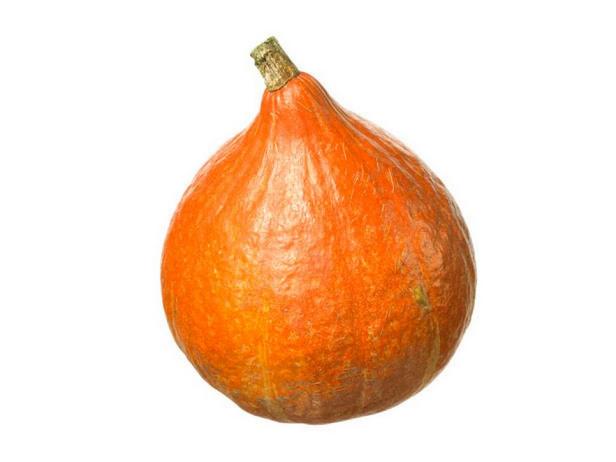
Red Kuri Squash (Kapitoshka)
This pear-shaped squash, a relative of the kabocha squash, is known for its chestnut flavor.
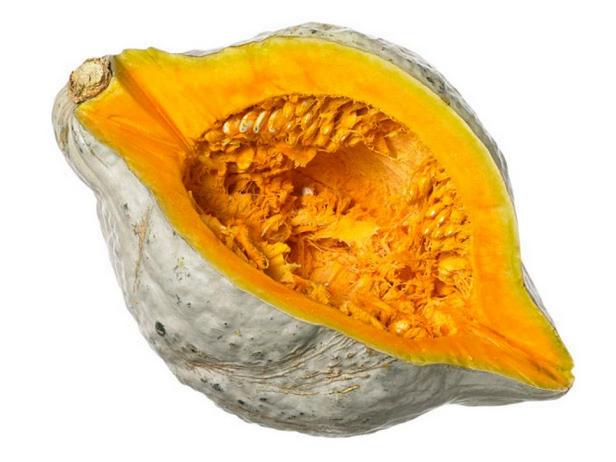
Hubbard Squash
It may be blue, green, or golden on the outside. It's difficult to peel, so roast this pumpkin in chunks with the skin on.
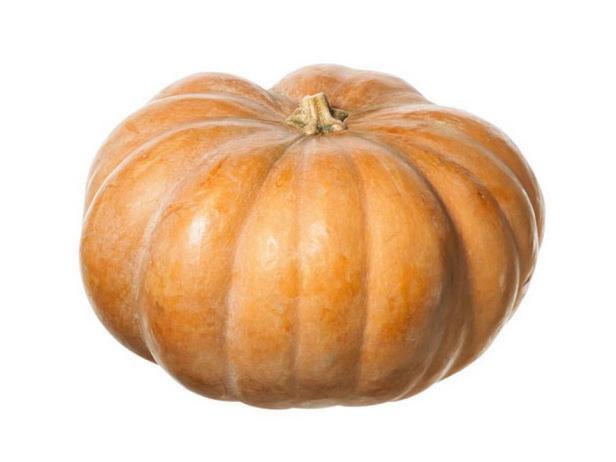
Cheese Pumpkin
The name refers to its resemblance to a wheel of cheese, not its flavor. It's sweet and excellent for pies.
Mini pumpkins
These little ones are primarily ornamental pumpkins, although some varieties, such as jack-be-littles, are edible.
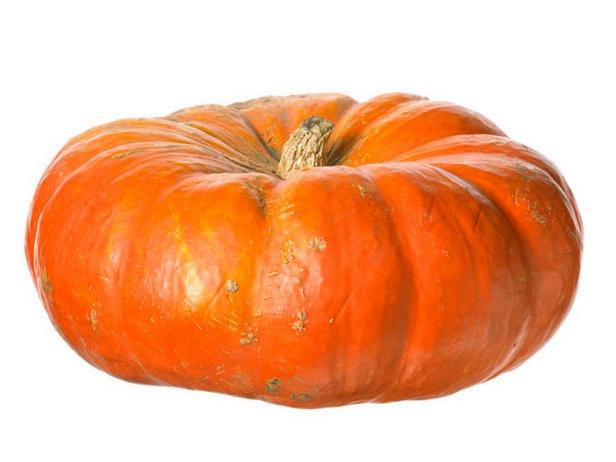
Cinderella Pumpkin
This French pumpkin variety gets its name from its resemblance to Cinderella's carriage. It's delicious when
baked whole, but this will take a lot of time.
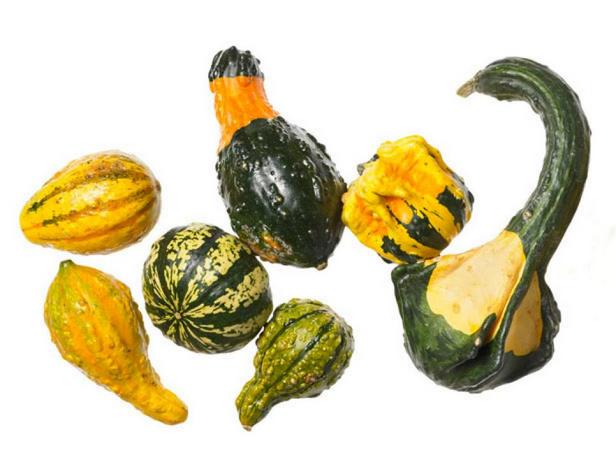
Decorative pumpkins
These wild-looking, bumpy-skinned pumpkins come in a variety of colors and shapes, but they're not for eating: they're purely decorative.
What to cook with pumpkin:
Categories: