What to fill a lunch box with food
Lunch boxes are just starting to hit the market. If you're unsure what to fill one with, this article is for you.
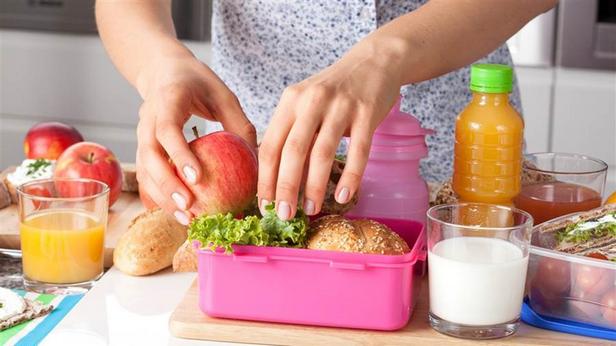
If you're carrying your lunches and snacks to work in jars, it can get boring after a while. You crave new and fresh ideas! That's where lunch boxes come in!
The idea of the lunch box belongs to the Japanese. They were the ones who started bringing breakfasts to work in lunch boxes with multiple compartments, each containing a variety of foods. Lunch box items come in a variety of colors and textures to satisfy not only the taste buds but also the eyes.
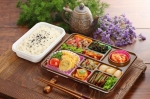
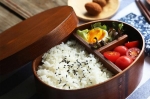
These food containers are very popular in China, Korea, the Philippines, Taiwan, and other Asian countries. They are called lunch boxes in the English language, as the word "lunch" refers to a second breakfast, and "box" refers to a box.
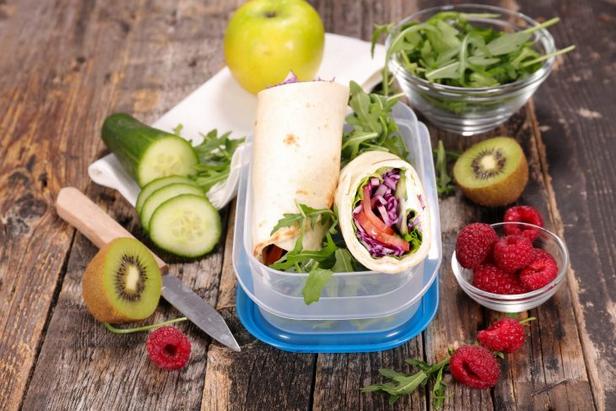
Traditionally, lunch boxes are assembled as follows. They should contain 4 main courses, 3 side dishes, 2 vegetables, and 1 dessert. Desserts typically include fruits and healthy desserts. The whole idea behind a lunch box is to provide beautifully presented, healthy food.
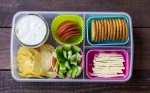
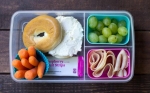
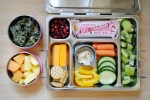
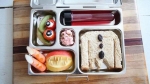
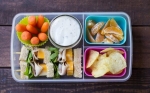
You can take with you rice, meat, fish, eggs, pasta, salads, pickled and fresh vegetables, fruits and bakery products.
If you're packing a lunchbox for a child, it's enough to have just two compartments. One compartment holds the main dish, the other holds the side dish. You can see 50 Lunch Box Filling Ideas for children to school.
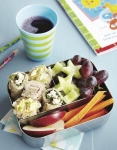
Place cooked rice in the bottom of one compartment. Sprinkle a little salt on top if it was cooked without salt. Place 2-3 pieces of fried boneless fish on top, such as blue whitingAdd thin, peeled cucumber slices to the edges, forming sticks. Sprinkle toasted sesame seeds on top.
Place additional ingredients in the second compartment: boiled egg, carrot, cucumber slices.
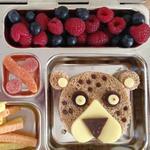
You can arrange the ingredients in a school lunchbox to look like recognizable characters, animals, or flowers. For example, you could transform an egg into a rooster's head, and cut and attach a comb and beard from a carrot. However, if you're short on imagination, you can simply arrange all the extra ingredients. Since they're all very colorful, your child will still eat them with great pleasure.
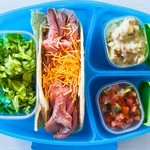
An adult lunch box differs from a child's one in that it may have three or more compartments.
For example, in the first section you can put lettuce leaves on the bottom, and place quickly fried pasta with meat on top.
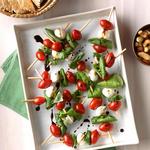
Place a vegetable salad, seasoned with vegetable oil, in the second compartment. For a splash of color, top the salad with a few slices of cherry tomatoes.
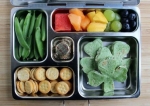
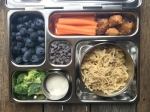
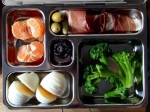
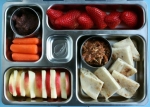
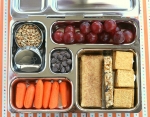
If you have other compartments, you can fill one with fruit: strawberries, cherries, or banana slices. Place pieces of bread, crackers, or nuts in the remaining compartments.
Lunchbox recipes:
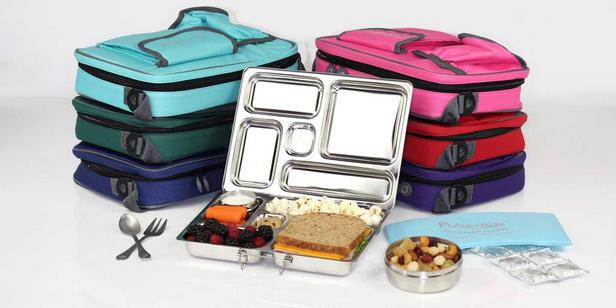
Lunch boxes are easy to fill. Most ingredients can be easily purchased at a local store or market.
– The lunchboxes themselves are made of eco-friendly, lightweight, and durable materials. Even if you drop them, they won't break, which is more than can be said for glass jars.
The lunchbox compartments hold smaller amounts of food than the average European portion. The less food you eat at a time, the better your chances of losing weight.
– Food that looks beautiful seems more filling. Over time, you'll learn to beautifully decorate not only the dishes you take to work, but also the everyday ones you prepare and eat at home.
IN Asia They know that healthy food should be pleasing to the eye, satisfy the nostrils with aroma, and the tongue with flavor. But most importantly, food should be prepared with love. When preparing a lunchbox for yourself at work or for your child at school, don't rush. Do everything slowly and with pleasure, then eating it will be a pleasure.
The idea of the lunch box belongs to the Japanese. They were the ones who started bringing breakfasts to work in lunch boxes with multiple compartments, each containing a variety of foods. Lunch box items come in a variety of colors and textures to satisfy not only the taste buds but also the eyes.
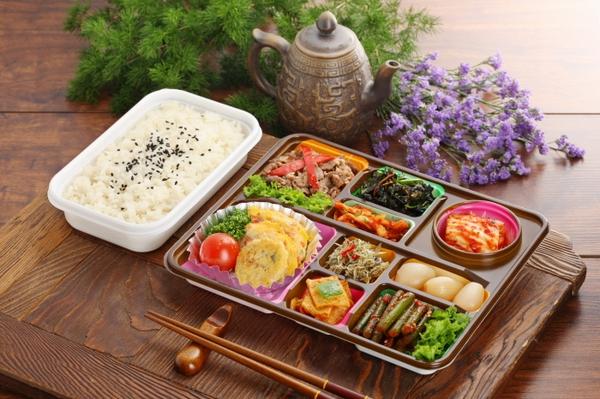
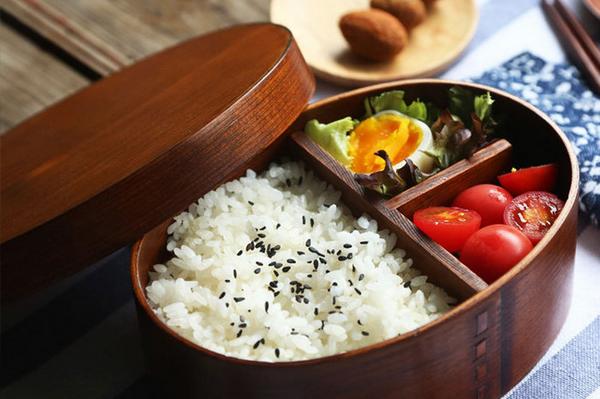
These food containers are very popular in China, Korea, the Philippines, Taiwan, and other Asian countries. They are called lunch boxes in the English language, as the word "lunch" refers to a second breakfast, and "box" refers to a box.
What to put in a lunch box?
Traditionally, lunch boxes are assembled as follows. They should contain 4 main courses, 3 side dishes, 2 vegetables, and 1 dessert. Desserts typically include fruits and healthy desserts. The whole idea behind a lunch box is to provide beautifully presented, healthy food.
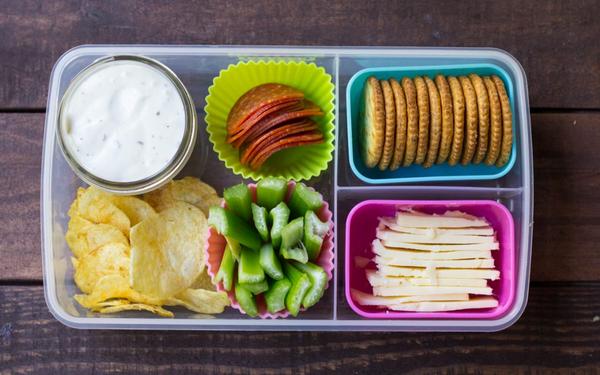
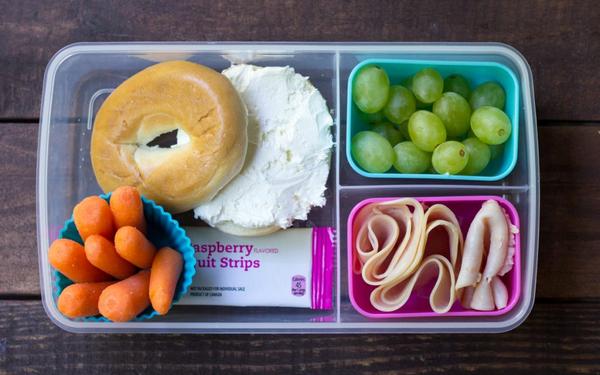
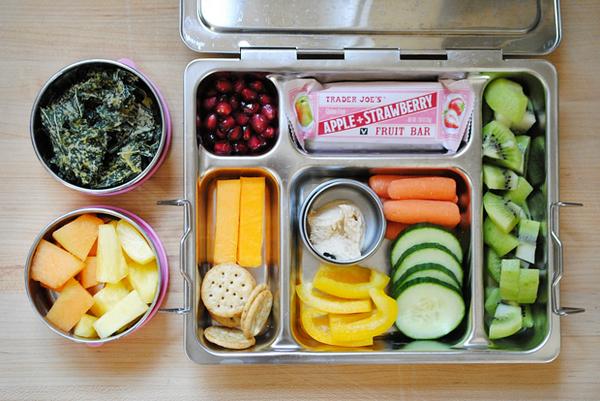
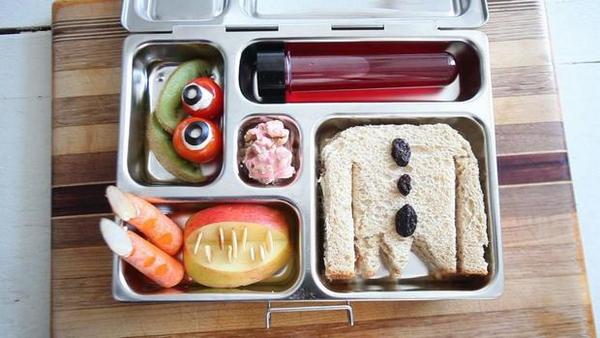
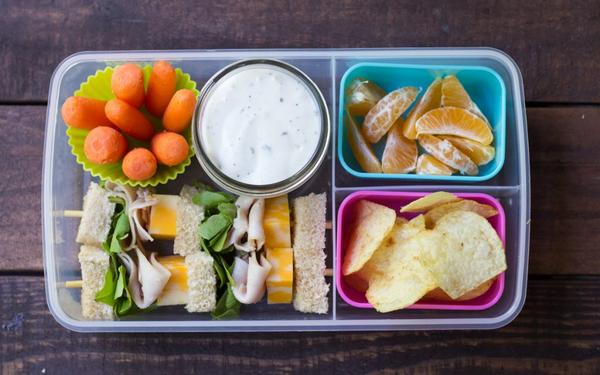
You can take with you rice, meat, fish, eggs, pasta, salads, pickled and fresh vegetables, fruits and bakery products.
Lunch box for children to take to school
If you're packing a lunchbox for a child, it's enough to have just two compartments. One compartment holds the main dish, the other holds the side dish. You can see 50 Lunch Box Filling Ideas for children to school.
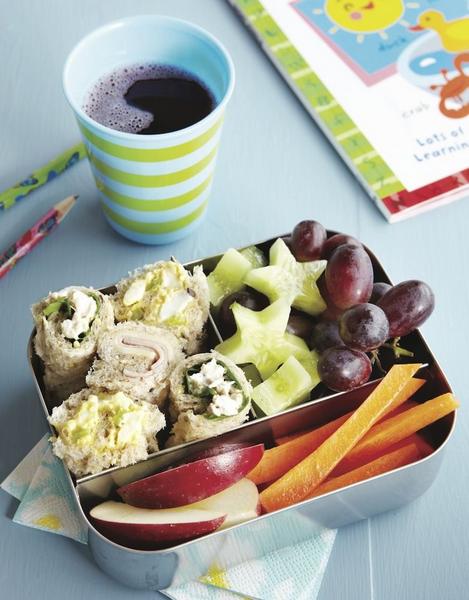
Place cooked rice in the bottom of one compartment. Sprinkle a little salt on top if it was cooked without salt. Place 2-3 pieces of fried boneless fish on top, such as blue whitingAdd thin, peeled cucumber slices to the edges, forming sticks. Sprinkle toasted sesame seeds on top.
Place additional ingredients in the second compartment: boiled egg, carrot, cucumber slices.
You can arrange the ingredients in a school lunchbox to look like recognizable characters, animals, or flowers. For example, you could transform an egg into a rooster's head, and cut and attach a comb and beard from a carrot. However, if you're short on imagination, you can simply arrange all the extra ingredients. Since they're all very colorful, your child will still eat them with great pleasure.
Lunch box for adults for work
An adult lunch box differs from a child's one in that it may have three or more compartments.
For example, in the first section you can put lettuce leaves on the bottom, and place quickly fried pasta with meat on top.
Place a vegetable salad, seasoned with vegetable oil, in the second compartment. For a splash of color, top the salad with a few slices of cherry tomatoes.
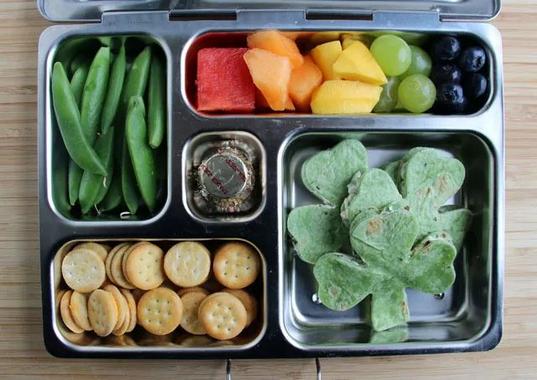
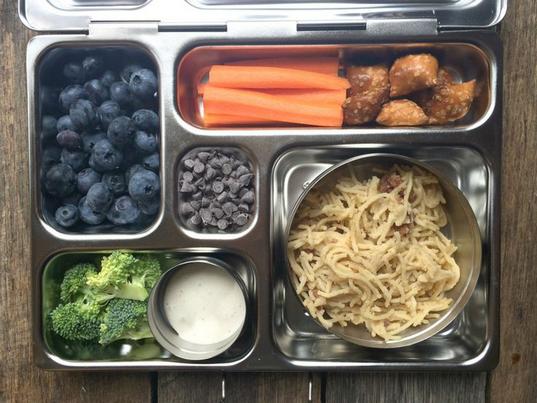
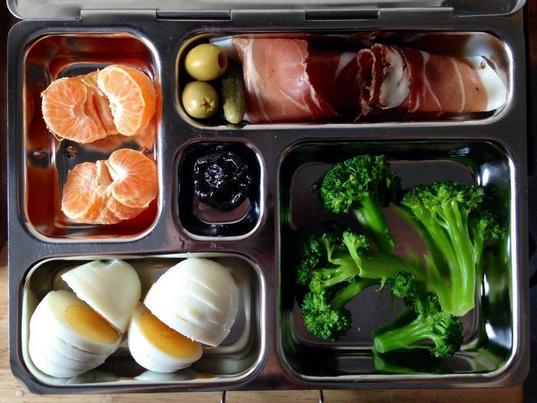
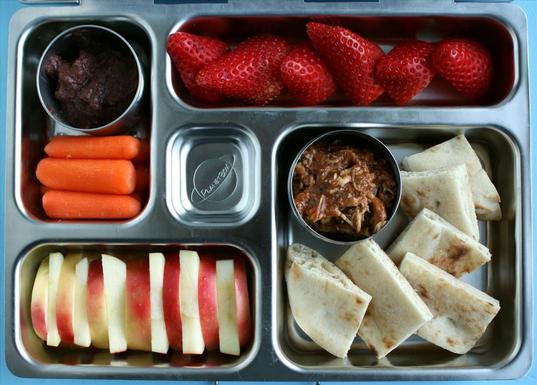
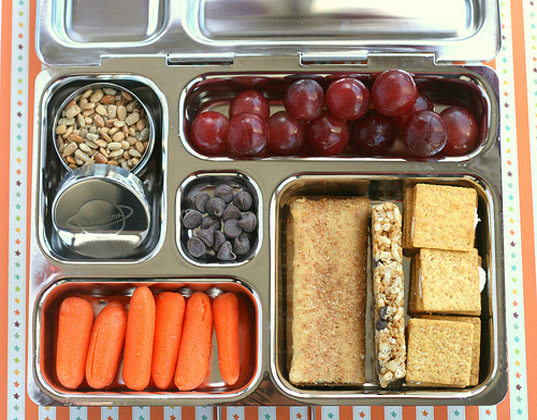
If you have other compartments, you can fill one with fruit: strawberries, cherries, or banana slices. Place pieces of bread, crackers, or nuts in the remaining compartments.
Lunchbox recipes:
What's good about lunch boxes?
Lunch boxes are easy to fill. Most ingredients can be easily purchased at a local store or market.
– The lunchboxes themselves are made of eco-friendly, lightweight, and durable materials. Even if you drop them, they won't break, which is more than can be said for glass jars.
The lunchbox compartments hold smaller amounts of food than the average European portion. The less food you eat at a time, the better your chances of losing weight.
– Food that looks beautiful seems more filling. Over time, you'll learn to beautifully decorate not only the dishes you take to work, but also the everyday ones you prepare and eat at home.
IN Asia They know that healthy food should be pleasing to the eye, satisfy the nostrils with aroma, and the tongue with flavor. But most importantly, food should be prepared with love. When preparing a lunchbox for yourself at work or for your child at school, don't rush. Do everything slowly and with pleasure, then eating it will be a pleasure.
Author of the article: Natalia Semenova "TopCook"
Votes: 2
Categories:
Related articles