Poached eggs without the hassle
Votes: 2

Time: 10 min.
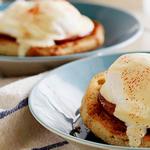
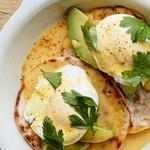
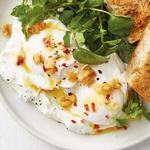
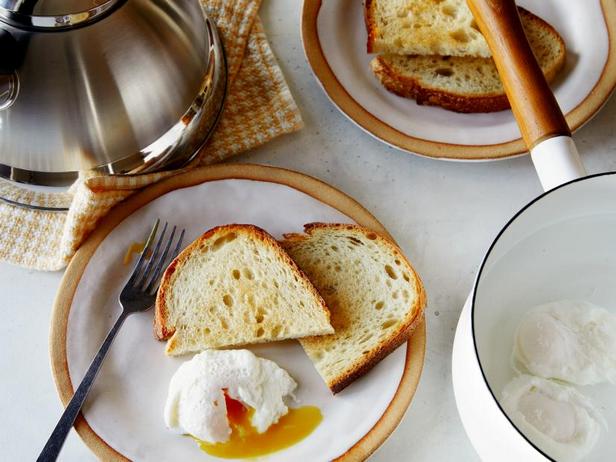
Poached eggs can be a nerve-wracking experience for even the most experienced cook. Will they stick to the bottom of the pan? How do you avoid breaking the yolk? How do you know when they're done? On top of that, eggs aren't always ready at the same time, especially if you're making a lot of them, as carefully cracking each egg and dropping it into boiling water takes time. With this recipe, you can forget all those fears. You place the eggs in the pan first, then pour in the hot water. This way, they maintain their shape and cook all at the same time. This method works equally well for two eggs or eight. So, if you're thinking of treating your loved ones to Eggs Benedict for breakfast, you can rest assured: it's a success.
The recipes use measuring containers with the following volumes:
1 glass (st.) - 250 ml.
3/4 cup (st.) - 180 ml.
2/3 cup (st.) - 160 ml.
1/2 cup (st.) - 125 ml.
1/3 cup (st.) - 80 ml.
1/4 cup (st.) - 60 ml.
1 tablespoon (tbsp) - 15 ml.
1 teaspoon (tsp) - 5 ml.
1/5 teaspoon (tsp) - 1 ml.
1 glass (st.) - 250 ml.
3/4 cup (st.) - 180 ml.
2/3 cup (st.) - 160 ml.
1/2 cup (st.) - 125 ml.
1/3 cup (st.) - 80 ml.
1/4 cup (st.) - 60 ml.
1 tablespoon (tbsp) - 15 ml.
1 teaspoon (tsp) - 5 ml.
1/5 teaspoon (tsp) - 1 ml.
Ingredients for the recipe:
- Big eggs
- 2 tablespoons distilled white vinegar
We recommend







Recipes with similar ingredients: eggs
Cooking the dish according to the recipe:
- Pour the vinegar into a small or medium saucepan (depending on how many eggs you're boiling). Carefully crack the eggs into the vinegar. Holding the saucepan by the handle, gently rock or swirl it to distribute the vinegar among the eggs. This will help start the coagulation of proteins..
- Bring a kettle of water to a boil, then carefully pour water down the inside of the pan until it covers the eggs by about 5cm.
- Cover with a lid and set a timer for 5 minutes. The whites should set.
- Remove the lid, turn on the heat, and quickly bring the water to a boil. Once it boils, turn off the heat. Skim off any foam from the surface and immediately remove the eggs with a slotted spoon. The whites will set, but the yolk will still be runny. For a firmer yolk, cook for another 1-2 minutes.
Categories:
Recipe collections





Similar recipes