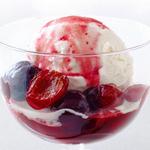
Japanese dessert daifuku
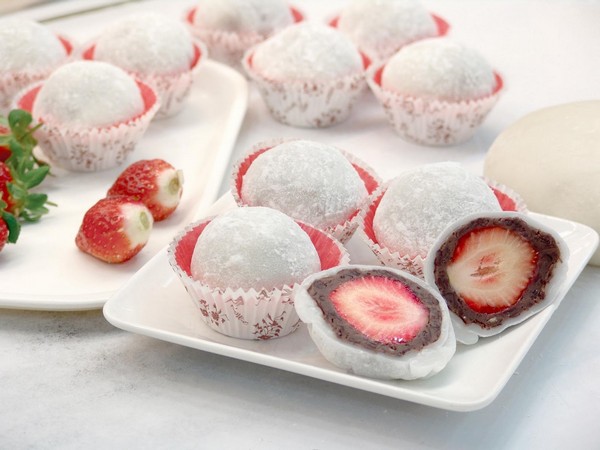
Daifuku is a type of Japanese confection. It is a small cake made of glutinous rice paste and filled with a sweet filling. It is sometimes called mochi.
In fact, "daifuku" is a shortened version of "daifukumochi," meaning "big white good luck cake." In Japan, this cake is believed to truly bring good luck, making it a traditional gift.
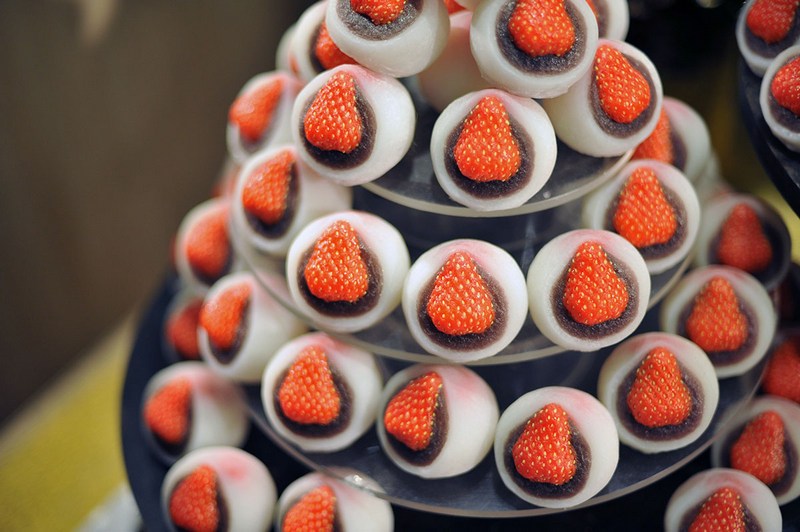
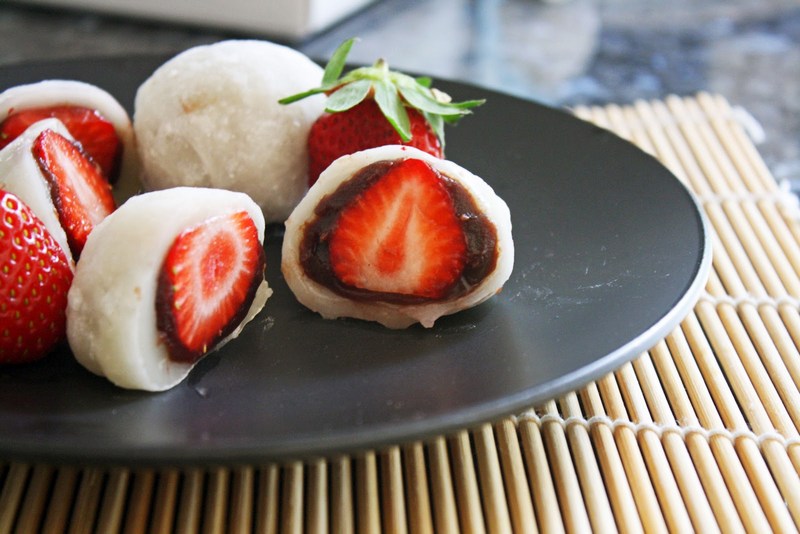
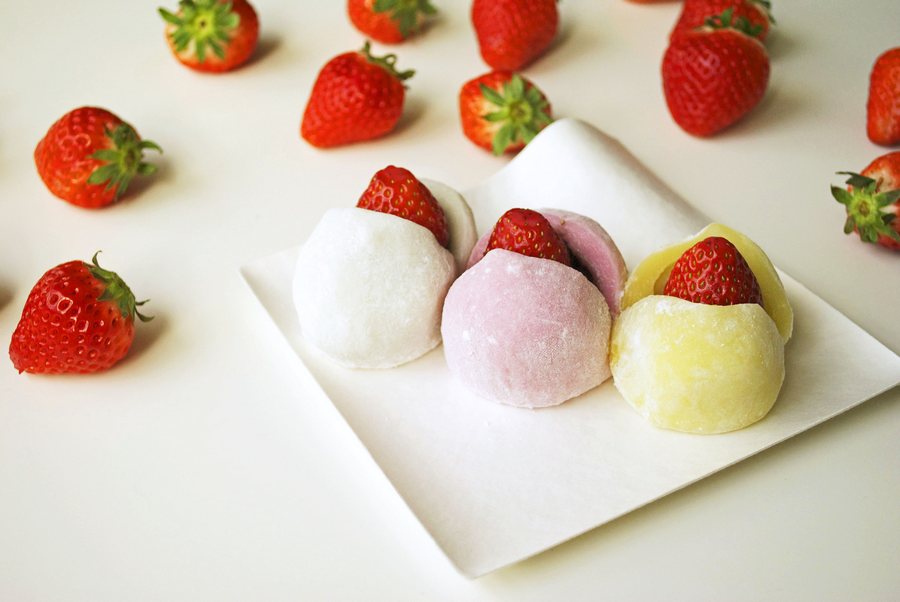
Most daifuku recipes call for mixing rice flour and water, then heating the mixture in the microwave. The result is a thick, sticky dough that is rolled out while hot and formed into a thin sheet. The dough is then cut into rectangles. Each rectangle will become a separate daifuku. The chef wraps each rectangle around the filling, then dusts it with flour or sugar. After baking, the dough is cooled, where it hardens slightly.
Making daifuku cakes using a microwave or steamer is fairly simple. However, traditional cooking takes much longer, as it involves a certain ritual. First, cooks soak rice in water for several hours, often overnight, then steam it and then grind it into a paste with a mortar. The resulting paste is then formed into round or square cakes. Daifuku cakes are a traditional Japanese New Year's dish.
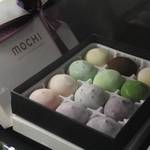
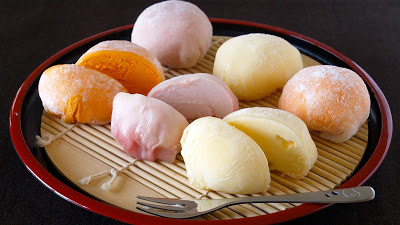
The most common filling for daifuku is red adzuki bean paste and sugar or honey. However, other fillings also exist, including strawberries, fruit pieces, or melon paste. Adding various dyes to daifuku gives the cake its colorful appearance. It can be pink or even green. Some natural dyes, such as mugwort, can impart a distinctive flavor.
One type of daifuku, yukimi daifuku, uses ice cream as the filling. The ice cream ball is usually wrapped in rice dough. This type of cake remains soft even when freshly taken out of the refrigerator.
Categories:
Related articles