Japanese mochi cakes
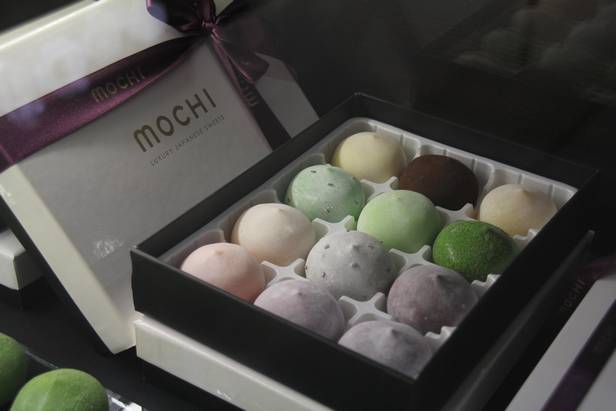
What is mochi?
Mochi is a Japanese rice cake made from white or glutinous rice. Sometimes it can also be made from steamed brown rice. It is a standalone dish in its own right. Japanese cuisine, but it's also used in other dishes, such as various desserts, savory soups, and hot pot dishes. Mochi is grilled, baked, or fried.
Fresh mochi is very soft and pliable. It's best to eat it the day it's made, or at least the next day.
Mochi dries out very quickly. So much so that it becomes very dry and hard. It's unpleasant to eat after that. When the cake hardens, it becomes flat and round.
Mochi intended for storage are sold in special bags. They are often called kirimochi or kakimochi, but these rice cakes are best boiled, grilled, or fried. They are practically unsuitable for eating fresh.
How is mochi made?
When making mochi, the rice is first steamed and then beaten until it becomes a smooth mass. Beating the rice is a ritual. Fresh steamed rice is placed in a large mortar, standing on the ground. It is so large that it reaches almost to a person's waist.
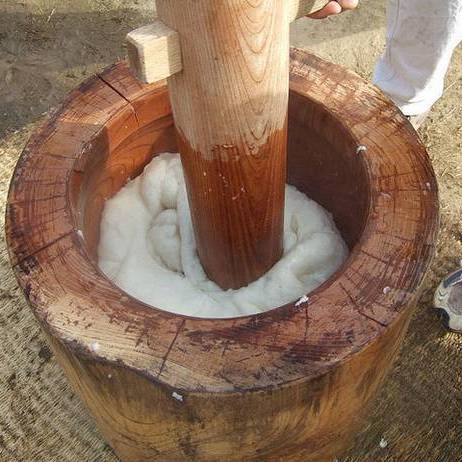
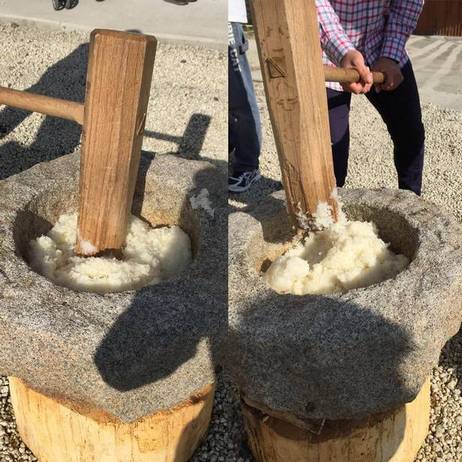
The rice is sprinkled with water and then beaten with a large wooden mallet until a smooth mass is obtained. Ceremony Mochi processing is carried out by two peopleOne works with a wooden hammer, while the other spins the vat of rice and sprinkles it with water to keep it soft and pliable. Once the rice mass has become homogeneous, small pieces are torn off and formed into round, semi-flat cakes.
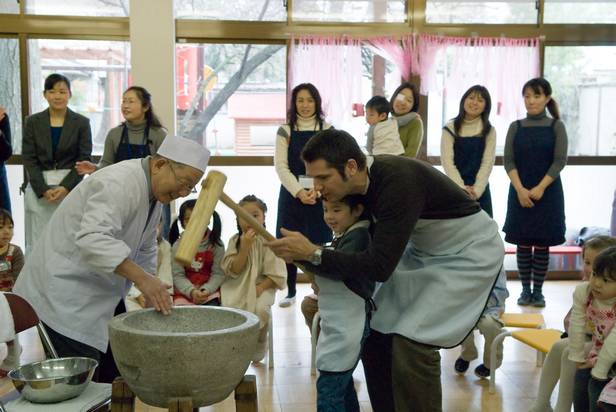
Mochi isn't always made by hand. Sometimes, special kitchen tools are used, which can be purchased in Japanese stores or online.
How to store mochi?
Fresh mochi are difficult to store because they dry out quickly. At room temperature, they will keep for a day or two. Fresh mochi should not be refrigerated, as they will harden too much and become inedible.
And they can be placed in the freezer fresh. This doesn't require short-term pre-freezing.
When you go shopping for mochi in Japanese or other Asian stores, you'll see them in traditional round, square, or cylindrical shapes. These cakes are sold either fresh or vacuum-packed.
How can you eat mochi?
1. As an appetizer:
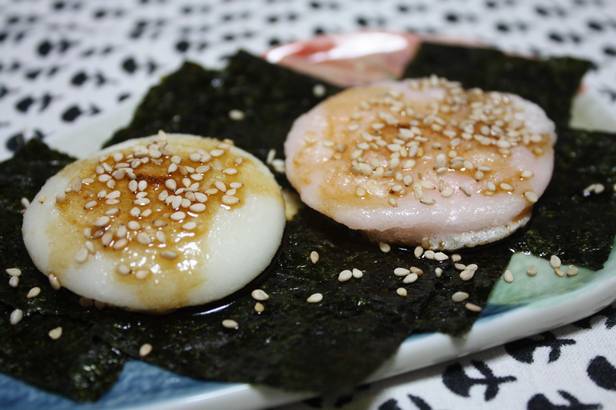
- Norimaki mochi – rice cake seasoned with sweet soy sauce and wrapped in dried seaweed.
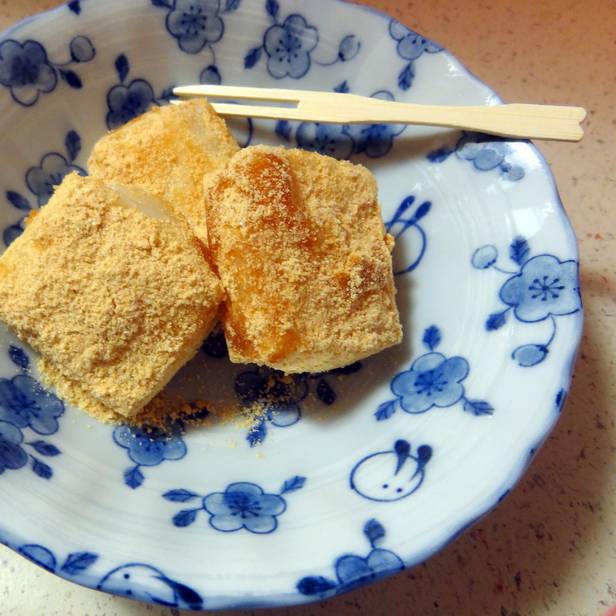
- Kinako mochi – rice cake made with roasted soybean flour and sugar.
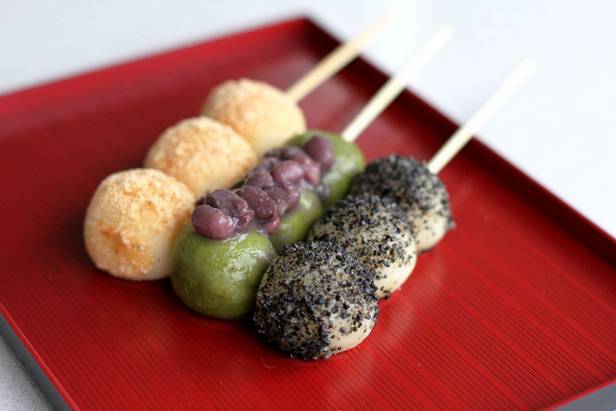
- Tofu mochi – a small, bite-sized pastry made from tofu cheese, glutinous rice flour, and sweetened roasted soybean flour.
2. As a soup:
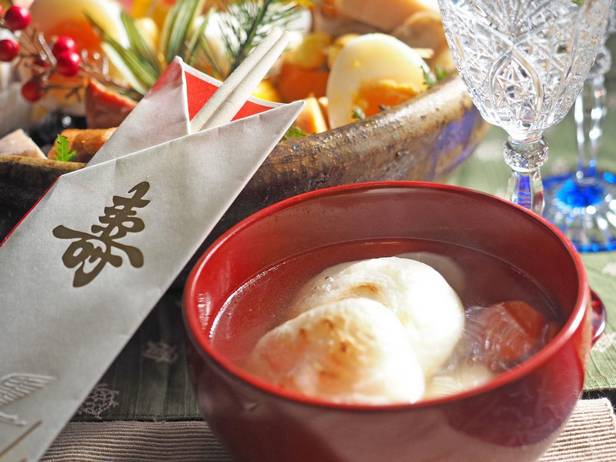
- Ozoni, or Zoni – a traditional Japanese New Year's soup with vegetables, protein, seafood and mochi.
- Shabu-shabu - mochi in Japanese hot pots, where it is one of the ingredients.
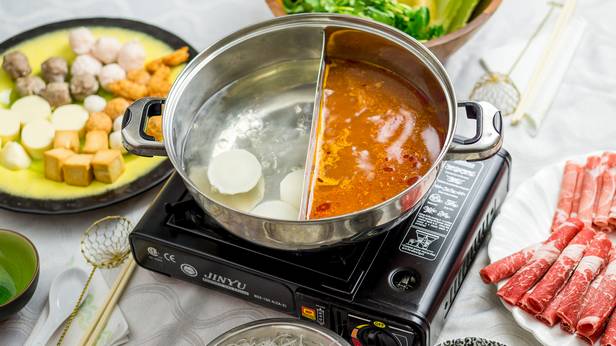
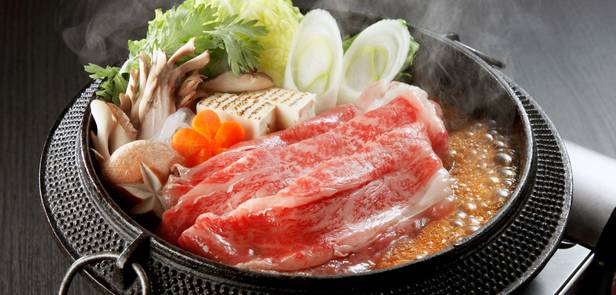
- Sukiyaki – is also a dish prepared in hot Japanese pots, where mochi is one of the ingredients.
3. As a dessert:
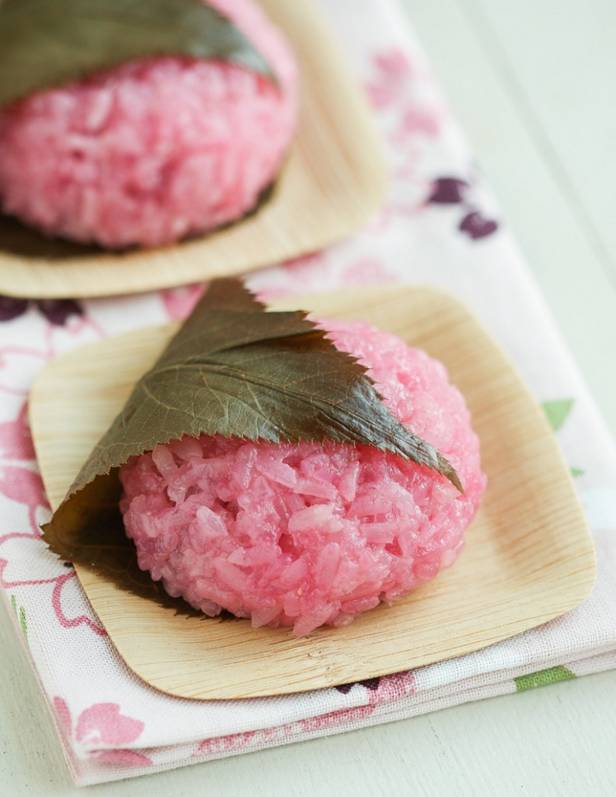
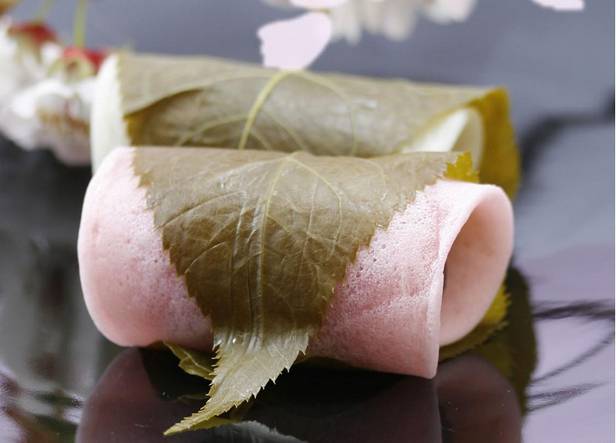
- Sakura mochi – a cake made from sweet glutinous rice wrapped in pickled cherry leaves.
- Chi Chi dango mochi - small coconut mochi, bite-sized.
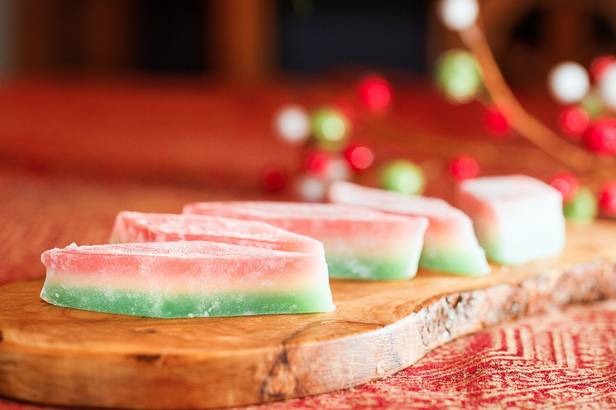
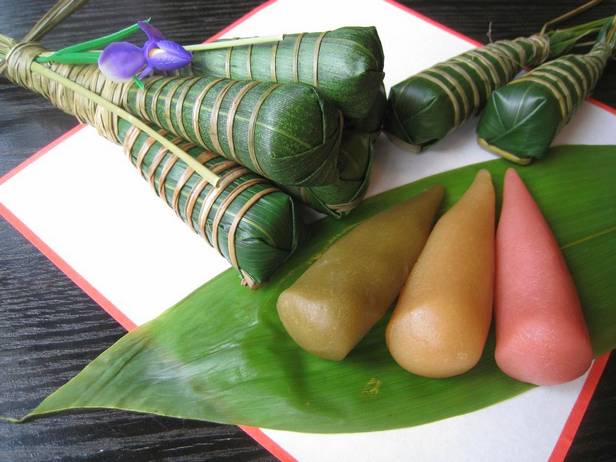
- Chimaki – sweet sticky rice cakes that are skewered and wrapped in bamboo leaves.
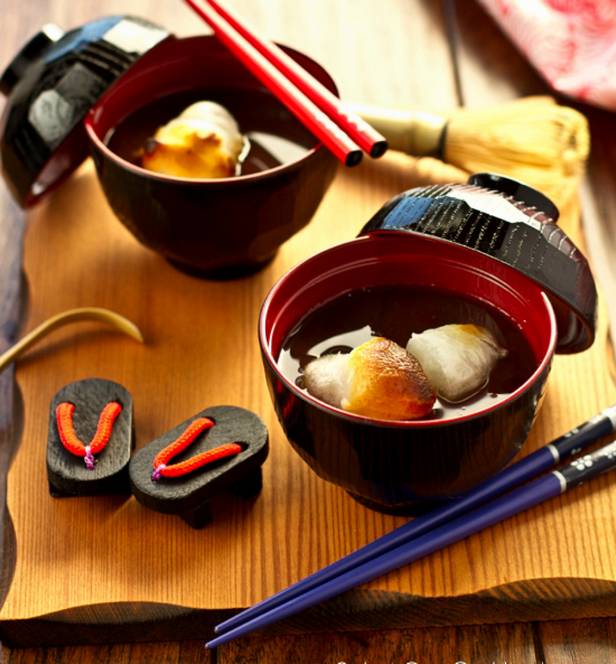
- Zenzai - sweet red bean soup with fried mochi.
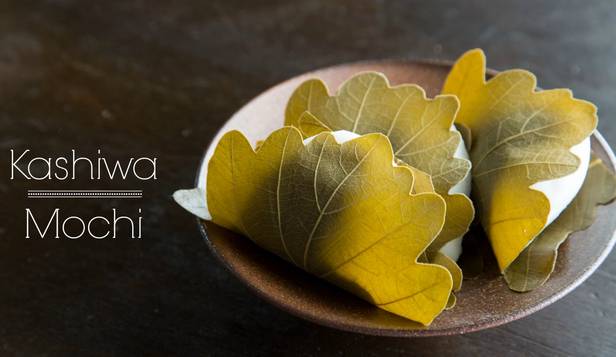
- Kashiwa mochi – rice cakes with sweet beans, wrapped in oak leaves.
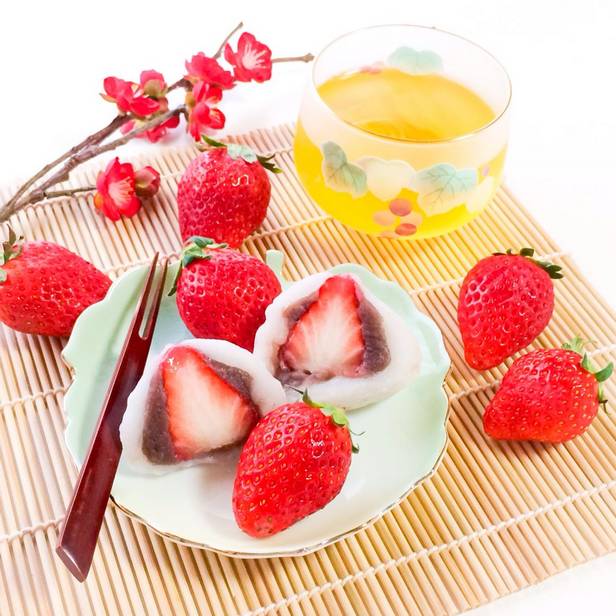
- Ichigo daifuku - mochi filled with fresh sweet strawberries.
– Vanilla ice cream with mochi shiratama and kinako – Vanilla ice cream with a small mochi with honey and sweet flour made from roasted soybeans.
Warning:
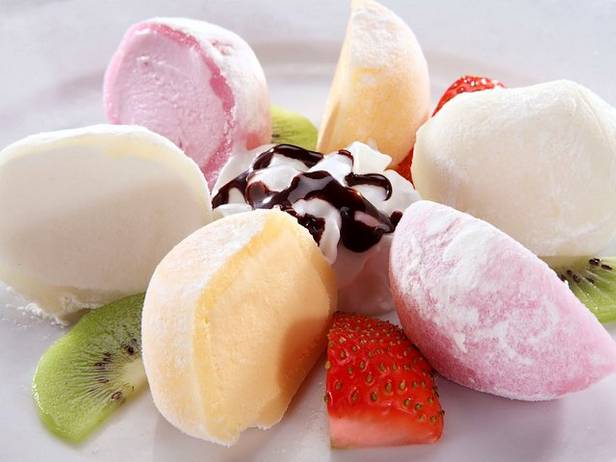
Mochi is a very thick consistency. It must be taken in small pieces and chewed thoroughly, otherwise it can cause serious choking. Unfortunately, many deaths in Japan have occurred while eating this product.
Author of the article: Natalia Semenova "TopCook"
Votes: 1
Categories
Culinary articles / Culinary EncyclopediaSimilar material

Soft Mochi Cookies "Confetti"
Sticky rice
Mini Angel Food Cakes with Marshmallow Glaze

Spreads
Mochi Ice Cream Cake
Mochi with ice cream
Mochi with four types of cheesecake filling

Mini Baked Alaska Cakes
Mochi with butter

Grilled Ice Cream Cakes
Almond Snowball Cakes

Grilled S'mores

Patbingsu (Korean shaved ice cream)
Fluffy Japanese pancakes
Bird's Nest Chocolate Cakes

Champagne Strawberry Cakes
Pineapple Upside-Down Cakes in Foil

Fudge Brownies

Decadent Brownies with Frosting
Toffee Bourbon Blondes
Tuna Onigiri (Japanese Rice Balls)

Chicken Yakitori with Leeks (Traditional)

Portuguese custard tarts
Japanese Grilled Eggplant with Miso Glaze

Chocolate, peanut and straw cakes
Savannah Berry Cheesecakes
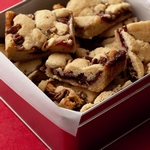
Raspberry cakes
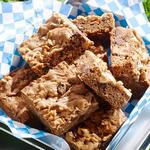
Dark Chocolate Blondie Cakes

Japanese dessert daifuku

Banana Split Ice Cream Cakes
Onions cleanse and rejuvenate brain cells
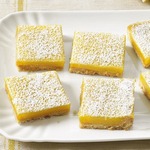
Lemon Bar Cakes