Traditional Ramadan in Turkish Cuisine
Ramadan, or Ramazan, falls in the ninth month of the Islamic calendar. Following the birth and rebirth of the new moon, Ramadan slowly shifts from winter to summer and back again every ten years or so.
Ramadan is better known worldwide as the holy month of fasting, which represents one of the five pillars of Islam. Muslims around the world dedicate time to spirituality and prayer.
For many, Ramadan is a time to distance themselves from the stresses and vices of everyday life and spend time with family and friends, following religious principles. Muslims abstain from food and water from the time of dawn prayer at sunrise until evening prayer at sunset.
All this does not apply to children, pregnant women, the elderly and sick, as well as representatives of other faiths.
Ramadan - a culinary paradox
If you look at Ramadan from a culinary rather than a spiritual perspective, the opposite is true. During these days, people focus on food preparation, entertainment, and gluttony.
The preparation of iftar, the first meal after sunset, and sahur, the last meal before sunrise, are the main events of the day. All other activities revolve around them.
Preparing for Iftar
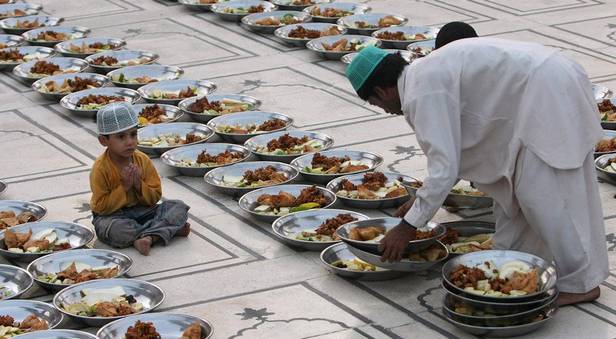
During Ramadan, most chefs return to their roots and prepare exclusively traditional dishes.
Shops, bazaars, and markets begin advertising Ramadan merchandise several months in advance. Pistachios, Turkish delight, pastrami, and other Turkish delicacies will be sold there every day.
While daytime life and work typically slow down during the holiday, the same can't be said for the kitchen, where women typically take charge. Preparing the evening meal begins in the morning, with a trip to the market.
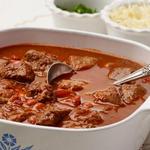
After visiting the market, women return home, peel and cut vegetables, marinate and steam meat, cook soups and make desserts.
What to expect at Iftar?
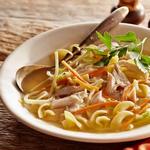
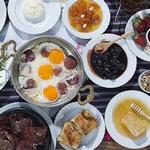
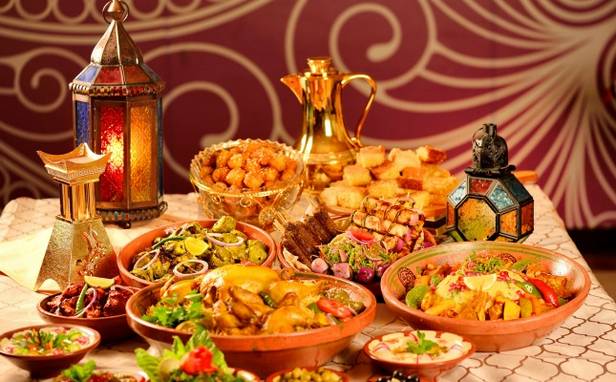
Iftar is a large, multi-course meal. It begins with light appetizers and soup and ends with desserts, Turkish coffee, and fresh fruit.
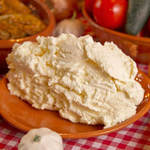
The meal begins with a sip of water, followed by black and green olives, a variety of Turkish cheeses, appetizers, and warm flatbread, which is specially baked during Ramadan.
Setting the table
Setting the table for iftar is an art in itself. Regardless of the host's wealth, the table will always feature the finest ingredients and dishes.
The soup will always be hot and steaming, poured into bowls, the glasses filled with water, and bread will be served at the evening meal. Hungry eaters, thirsty after a full day of fasting, will patiently wait at the table for the priest's final prayer. Afterward, they will eagerly attack the food.
Lunch and other meals last for hours, during which family and friends enjoy each other's company. Sometimes, before sahur—the last meal before dawn—people take a short nap.
Even if you're not fasting, be sure to attend iftar. Here you'll be able to sample authentic, traditional Turkish cuisine.Turkish sweets, Turkish bread, holiday cookies). This will be one of the best options to truly experience Turkish hospitality and get to know the Turkish food culture.
For many, Ramadan is a time to distance themselves from the stresses and vices of everyday life and spend time with family and friends, following religious principles. Muslims abstain from food and water from the time of dawn prayer at sunrise until evening prayer at sunset.
All this does not apply to children, pregnant women, the elderly and sick, as well as representatives of other faiths.
Ramadan - a culinary paradox
If you look at Ramadan from a culinary rather than a spiritual perspective, the opposite is true. During these days, people focus on food preparation, entertainment, and gluttony.
The preparation of iftar, the first meal after sunset, and sahur, the last meal before sunrise, are the main events of the day. All other activities revolve around them.
Preparing for Iftar
During Ramadan, most chefs return to their roots and prepare exclusively traditional dishes.
Shops, bazaars, and markets begin advertising Ramadan merchandise several months in advance. Pistachios, Turkish delight, pastrami, and other Turkish delicacies will be sold there every day.
While daytime life and work typically slow down during the holiday, the same can't be said for the kitchen, where women typically take charge. Preparing the evening meal begins in the morning, with a trip to the market.
After visiting the market, women return home, peel and cut vegetables, marinate and steam meat, cook soups and make desserts.
What to expect at Iftar?
Iftar is a large, multi-course meal. It begins with light appetizers and soup and ends with desserts, Turkish coffee, and fresh fruit.
The meal begins with a sip of water, followed by black and green olives, a variety of Turkish cheeses, appetizers, and warm flatbread, which is specially baked during Ramadan.
Setting the table
Setting the table for iftar is an art in itself. Regardless of the host's wealth, the table will always feature the finest ingredients and dishes.
The soup will always be hot and steaming, poured into bowls, the glasses filled with water, and bread will be served at the evening meal. Hungry eaters, thirsty after a full day of fasting, will patiently wait at the table for the priest's final prayer. Afterward, they will eagerly attack the food.
Lunch and other meals last for hours, during which family and friends enjoy each other's company. Sometimes, before sahur—the last meal before dawn—people take a short nap.
Even if you're not fasting, be sure to attend iftar. Here you'll be able to sample authentic, traditional Turkish cuisine.Turkish sweets, Turkish bread, holiday cookies). This will be one of the best options to truly experience Turkish hospitality and get to know the Turkish food culture.
Author of the article: Natalia Semenova "TopCook"
Votes: 1
Categories:
Related articles