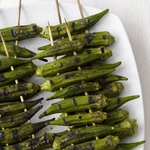
Okra
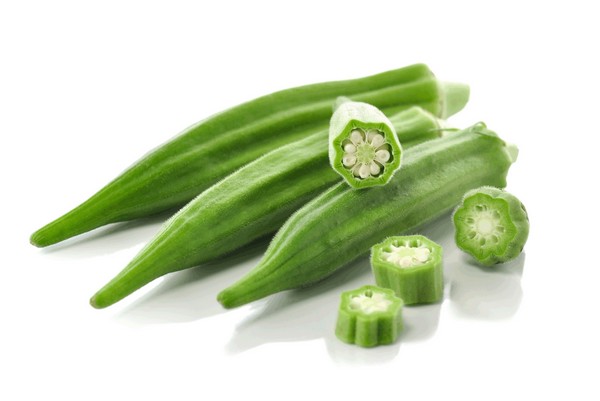
Okra, or bamia, is native to Africa. It is now grown in the Caribbean, the United States, and India. It is an annual vegetable plant. Its edible seed pods, which resemble pods, are sometimes called "lady fingers" because they taper toward one end.
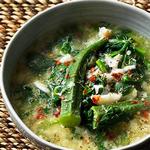
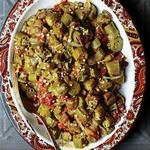
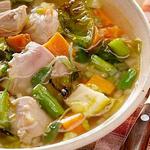
Each pointed capsule contains green, slightly fuzzy seeds that release a sticky, viscous liquid when cut and cooked. This liquid has the advantage of thickening liquids. This is why these seeds are used to thicken soups and stews. Okra is sometimes served as a side dish.
This vegetable has a rather weak taste, so to give it a piquant flavor, various seasonings need to be added to the dish.
How and when can I buy?
Where okra is grown and sold, it is available year-round.
When buying, choose firm, bright green pods. Avoid wilted pods or those with brown spots—they're no longer fresh. The larger the pod, the firmer it is. Pods 7-10 cm long are considered the best.
Culinary uses
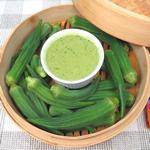
Wash and dry the okra pods. If you're cooking it as a separate dish and don't want the liquid to escape, boil the pods whole, without damaging them.
Before cooking, the pods should be soaked in acidified water to increase their liquid content. If you want even more liquid, chop the pods. Whether you chop them finely or coarsely is irrelevant and depends on the recipe you're using.
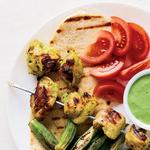
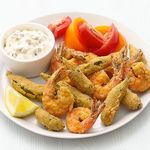
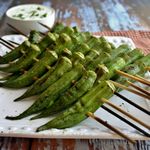
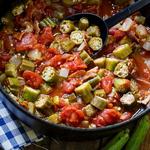
Okra pods can be fried whole or sliced (6-12 minutes), steamed (5 minutes), or grilled (2-3 minutes per side). They can also be chopped and added to soups, casseroles, and stews.
Storage
If you put okra in a perforated bag and place it in the refrigerator, it will keep well for several days.
All recipes with okra
Categories:
Related articles