The history of French cuisine
French cuisine from the Middle Ages to the present day. This article will also introduce the people who have had the greatest influence on it.
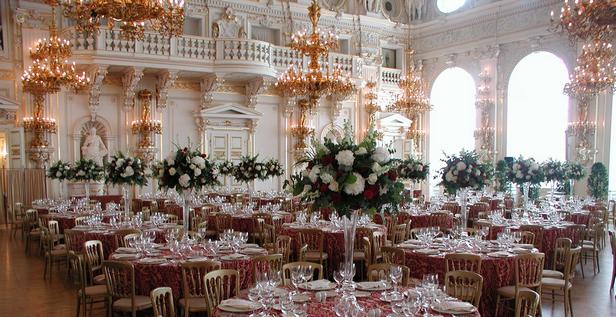
French cuisine It evolved over centuries, influenced by the lives of kings and queens, as well as cultures both neighboring and distant from France.
Start
In the Middle Ages, French food was already an important part of many people's lives, but it looked very different from what it does today.
In the past, many dishes were prepared for dinner and served simultaneously. Diners ate most of the food with their hands, not with utensils. Only centuries later did the practice of serving dishes one after another, rather than simultaneously, emerge. Waiters learned to serve each diner individually, something unheard of in the Middle Ages. Back then, food was simply brought, and diners ate. Waiters no longer played any role.
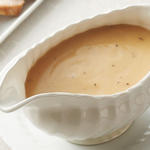
However, despite the differences in presentation and consumption, medieval French cuisine shared many characteristics that we find in the 21st century. For example, thick, spiced sauces were served with various dishes, just as they are today, and mustard was served with meat. Pastries similar to those of today also existed. Alcoholic beverages were also popular. However, beer was generally consumed more than wine.
Another point that connected the past and the present was that dishes were given visual appeal before being served.
Italian influence
When Catherine de Medici arrived in France in the 1540s, she had a profound impact on French cuisine. Food was no longer simply garnished before serving. Presenting the dishes themselves became a theatrical performance.
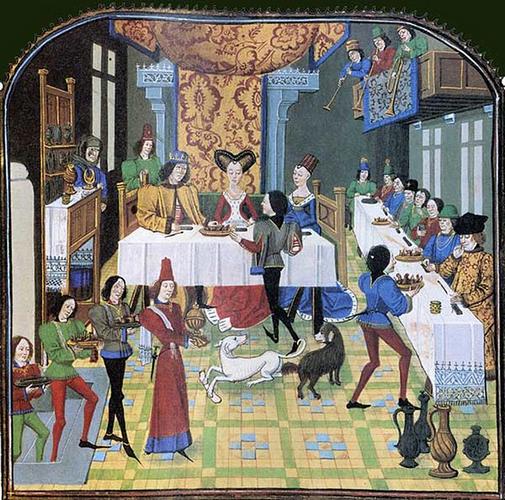
Rich dinners that Catherine de Medici The ceremonies she hosted during her reign, first as queen and then as queen mother (all three of her sons became kings of France at different times), made a significant contribution to the development of French cuisine. It was during this era that dishes began to be served on beautiful plates and platters, and drinks were poured into glasses made of beautiful and rare glass.
New dishes appeared, which were taken mainly from Mediterranean cuisine, as well as from the cuisine of other countries.
Sequential serving of dishes
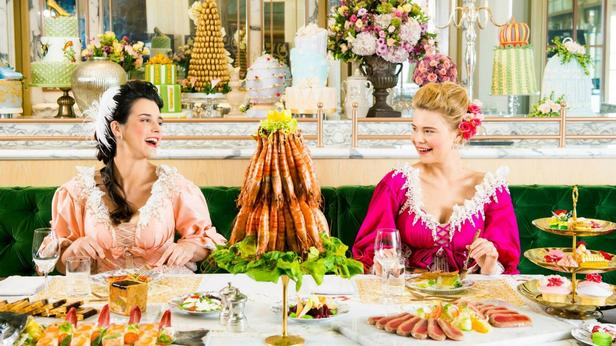
One of the defining characteristics of modern French cuisine is the slow, one-by-one serving of dishes during meals. This innovation was introduced to French cuisine at Versailles by King Louis XIVInstead of rushing through every course in a row, as before, the king leisurely occupied himself with just one, then another, and then a third. At the same time, silverware also came into use.
French chefs who influenced the development of French cuisine
Karem

Carême is one of the most famous French chefs in history. He traveled extensively, introducing various innovations he saw around the world to French cuisine. For example, in Russia, he noticed that each guest at the table was served separately from the others. He introduced the same practice in France. He also observed somewhere that castles and bridges could be built from pastries and bread. After this, they began to be built in the windows of French bakeries to attract customers.
Montagne
Prosper Montagne is another great French chef. He wrote the "Dictionnaire Gastronomique," a book that remains the bible of French cuisine. It describes every detail and attribute necessary for preparing and serving dishes. This book helped establish standards that were required to be followed in all restaurants and cafés in France. This helped suppress the influence of regional cuisines in different parts of the country and elevate traditional French cuisine to the level of high art.
Escoffier
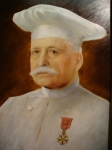
Auguste Escoffier believed that each individual step in preparing a dish should be performed by different people. For example, one cook would fry the meat while another prepared the sauce, rather than having the same person prepare both. This method of cooking allowed the entire dish to be served piping hot, rather than first cooking one thing, then another, and then reheating the first.
Escoffier is considered by many to be the most significant figure in the creation of elite French cuisine.
Nowadays
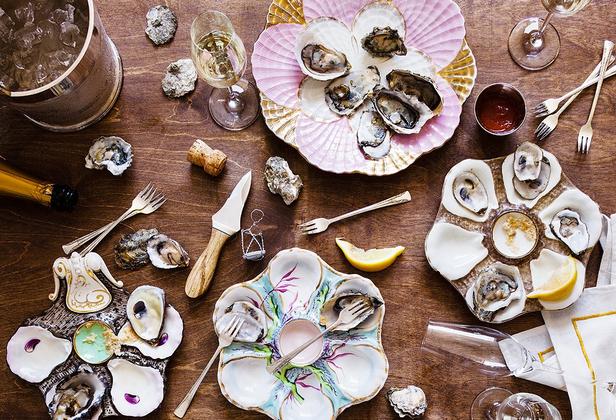
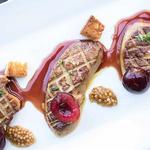
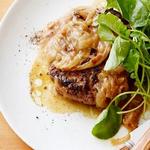
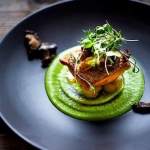
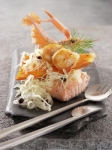
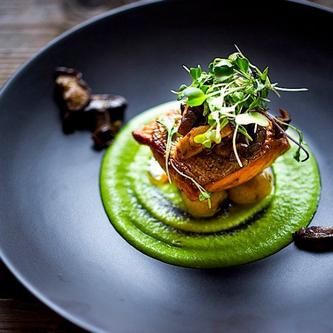
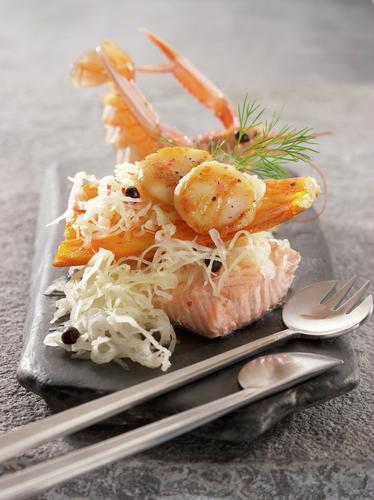
Beginning in the 1950s, French cuisine became considered refined and fashionable. During this period, portion sizes were reduced, while plate sizes increased. Great importance was placed on the garnishing of dishes on the plate. The number of courses per meal decreased and varied depending on the time of day and special occasions. For example, a typical lunch consisted of three courses, while a Sunday dinner consisted of seven.
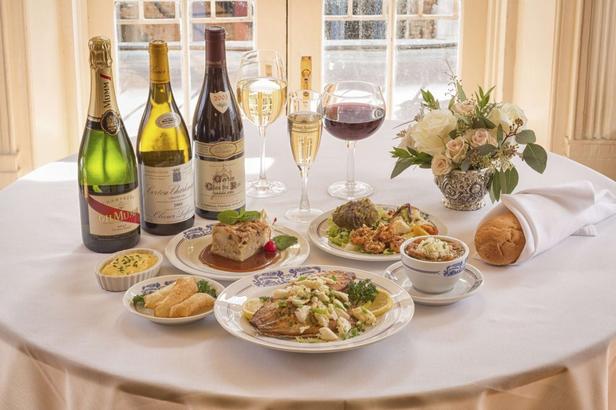
Culinary innovations
Although France is famous for its traditional cuisine, chefs They're constantly showcasing new innovations. French food is not only delicious and beautiful. Sticking to it, you can satisfy all your senses.
Mastering French cuisine can take decades. If you love cooking and have graduated from a relevant school, You can go on an internship to France. Chefs of any French restaurant will be happy to share their trademark secrets with you.
Start
In the Middle Ages, French food was already an important part of many people's lives, but it looked very different from what it does today.
In the past, many dishes were prepared for dinner and served simultaneously. Diners ate most of the food with their hands, not with utensils. Only centuries later did the practice of serving dishes one after another, rather than simultaneously, emerge. Waiters learned to serve each diner individually, something unheard of in the Middle Ages. Back then, food was simply brought, and diners ate. Waiters no longer played any role.
However, despite the differences in presentation and consumption, medieval French cuisine shared many characteristics that we find in the 21st century. For example, thick, spiced sauces were served with various dishes, just as they are today, and mustard was served with meat. Pastries similar to those of today also existed. Alcoholic beverages were also popular. However, beer was generally consumed more than wine.
Another point that connected the past and the present was that dishes were given visual appeal before being served.
Italian influence
When Catherine de Medici arrived in France in the 1540s, she had a profound impact on French cuisine. Food was no longer simply garnished before serving. Presenting the dishes themselves became a theatrical performance.
Rich dinners that Catherine de Medici The ceremonies she hosted during her reign, first as queen and then as queen mother (all three of her sons became kings of France at different times), made a significant contribution to the development of French cuisine. It was during this era that dishes began to be served on beautiful plates and platters, and drinks were poured into glasses made of beautiful and rare glass.
New dishes appeared, which were taken mainly from Mediterranean cuisine, as well as from the cuisine of other countries.
Sequential serving of dishes
One of the defining characteristics of modern French cuisine is the slow, one-by-one serving of dishes during meals. This innovation was introduced to French cuisine at Versailles by King Louis XIVInstead of rushing through every course in a row, as before, the king leisurely occupied himself with just one, then another, and then a third. At the same time, silverware also came into use.
French chefs who influenced the development of French cuisine
Karem
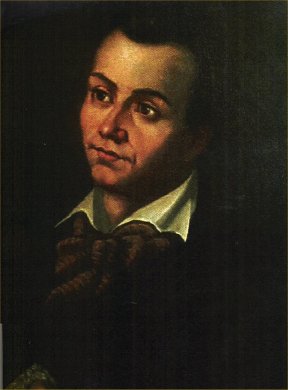
Carême is one of the most famous French chefs in history. He traveled extensively, introducing various innovations he saw around the world to French cuisine. For example, in Russia, he noticed that each guest at the table was served separately from the others. He introduced the same practice in France. He also observed somewhere that castles and bridges could be built from pastries and bread. After this, they began to be built in the windows of French bakeries to attract customers.
Montagne
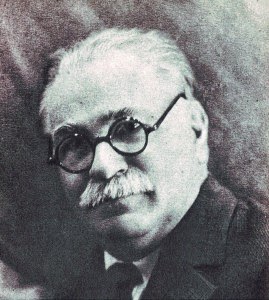
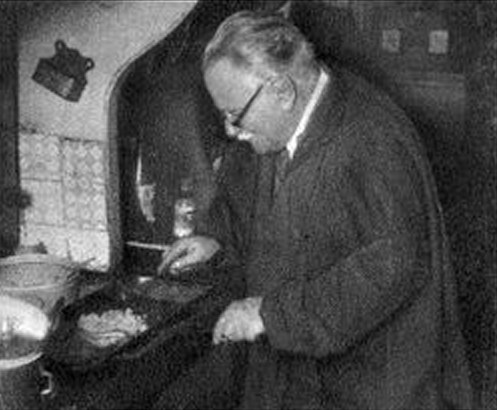
Prosper Montagne is another great French chef. He wrote the "Dictionnaire Gastronomique," a book that remains the bible of French cuisine. It describes every detail and attribute necessary for preparing and serving dishes. This book helped establish standards that were required to be followed in all restaurants and cafés in France. This helped suppress the influence of regional cuisines in different parts of the country and elevate traditional French cuisine to the level of high art.
Escoffier
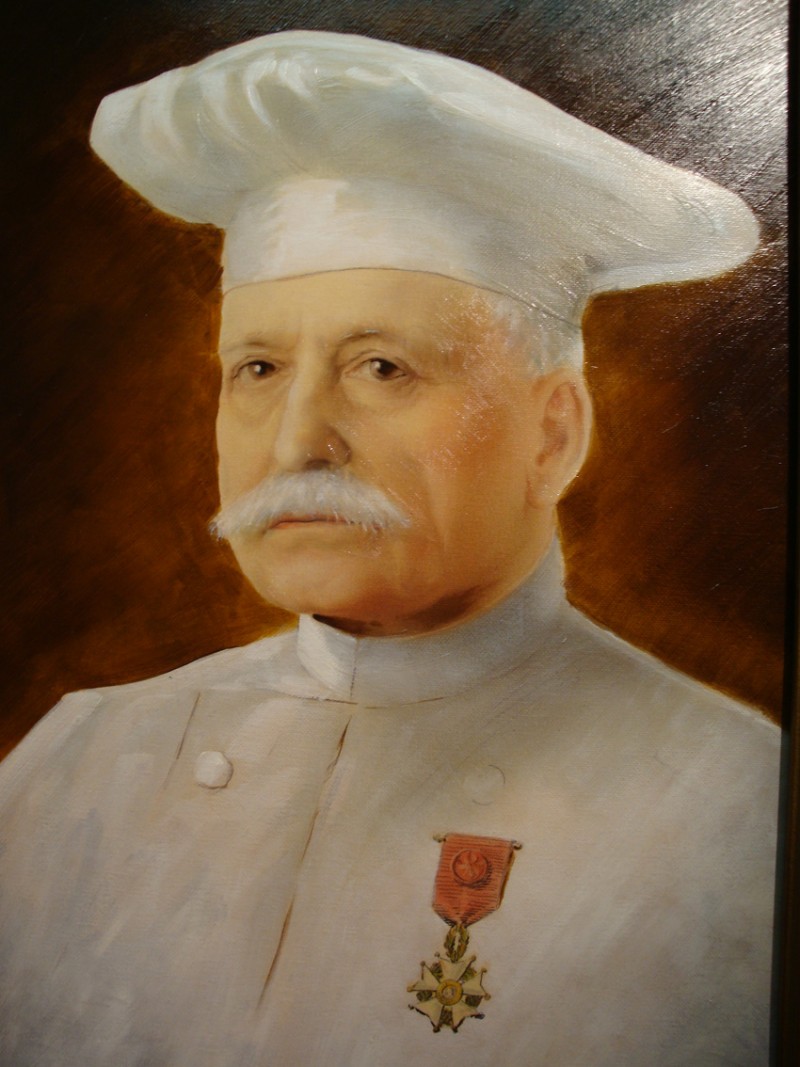
Auguste Escoffier believed that each individual step in preparing a dish should be performed by different people. For example, one cook would fry the meat while another prepared the sauce, rather than having the same person prepare both. This method of cooking allowed the entire dish to be served piping hot, rather than first cooking one thing, then another, and then reheating the first.
Escoffier is considered by many to be the most significant figure in the creation of elite French cuisine.
Nowadays
Beginning in the 1950s, French cuisine became considered refined and fashionable. During this period, portion sizes were reduced, while plate sizes increased. Great importance was placed on the garnishing of dishes on the plate. The number of courses per meal decreased and varied depending on the time of day and special occasions. For example, a typical lunch consisted of three courses, while a Sunday dinner consisted of seven.
Culinary innovations
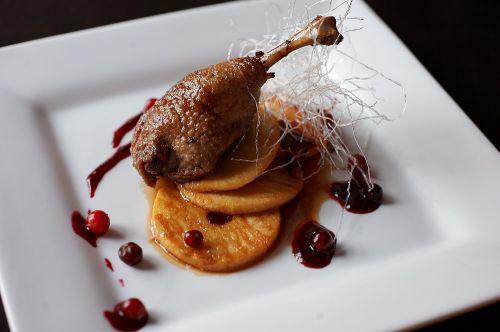
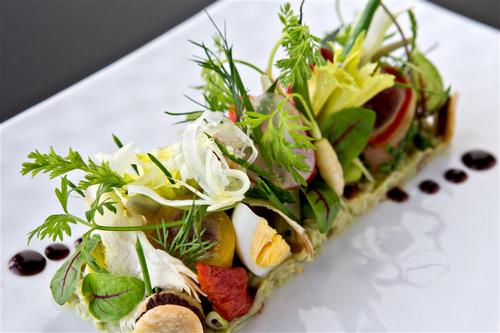
Although France is famous for its traditional cuisine, chefs They're constantly showcasing new innovations. French food is not only delicious and beautiful. Sticking to it, you can satisfy all your senses.
Mastering French cuisine can take decades. If you love cooking and have graduated from a relevant school, You can go on an internship to France. Chefs of any French restaurant will be happy to share their trademark secrets with you.
Author of the article: Natalia Semenova "TopCook"
Votes: 2
Categories:
Related articles