How to Make the Perfect Soufflé
Votes: 8
Use this basic technique to make sweet or savory soufflés.
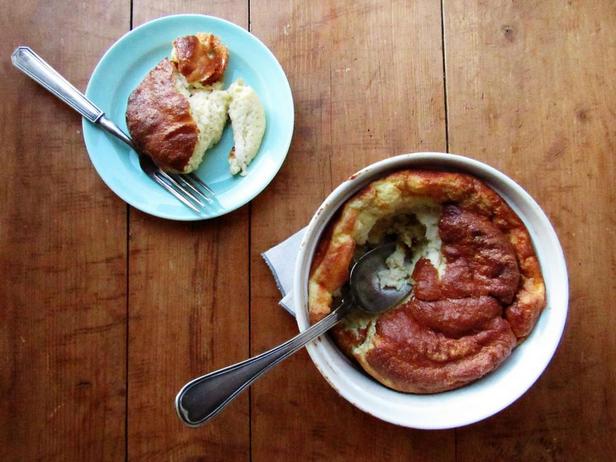
Relax: it's just a soufflé
According to the cookbook La Varenne Practique (a timeless masterpiece dedicated to classic French cuisine), there are only a few key elements to a perfect soufflé: the right consistency of the base, stiff peaks of the egg whites, and gentle folding of the whites into the base. The whites will lose some air when in contact with the base, but by gently folding them in with a spatula—as opposed to simply stirring—this process can be minimized. The following basic techniques and steps are suitable for any type of soufflé.
Recipe: Cheese soufflé
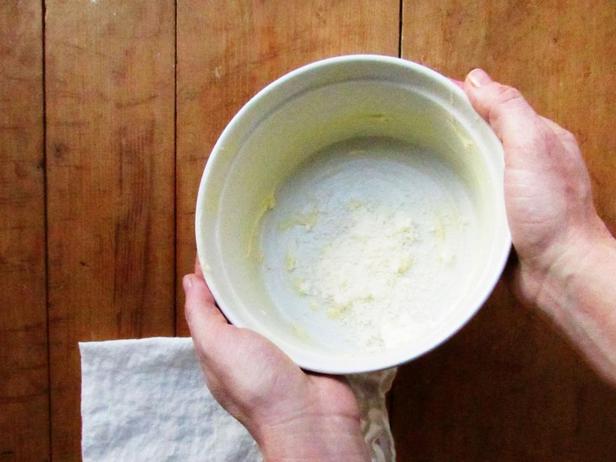
Baking pan
You'll need a ceramic or glass baking dish with straight sides. Straight sides are essential to ensure the soufflé rises properly during baking. You can grease just the bottom of the dish to ensure the soufflé rises, or grease the entire dish and then sprinkle the bottom and sides with breadcrumbs or grated cheese—this will give the soufflé something to grip onto.
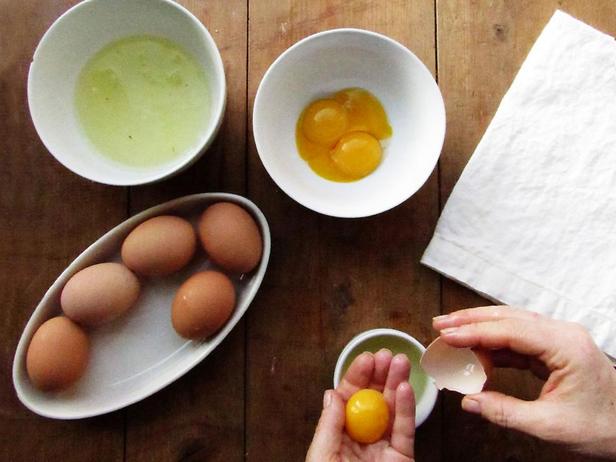
Start with eggs
Separate the egg whites from the yolks: the yolks are added to the soufflé base for richness, while the whites are beaten separately for a fluffy consistency. Holding the egg over a bowl, crack it right down the middle and move the yolk between the shell halves, allowing the whites to drip into the bowl (you can also separate them by hand). The eggs should be at room temperature; this will make it easier to separate the whites and then whisk them. Be careful to keep the yolk intact. It's best to crack the eggs over the bowl one at a time: if one yolk breaks, it won't ruin the entire bowl of whites. Pour the yolks and whites into two separate bowls as you crack them.
Prepare the base
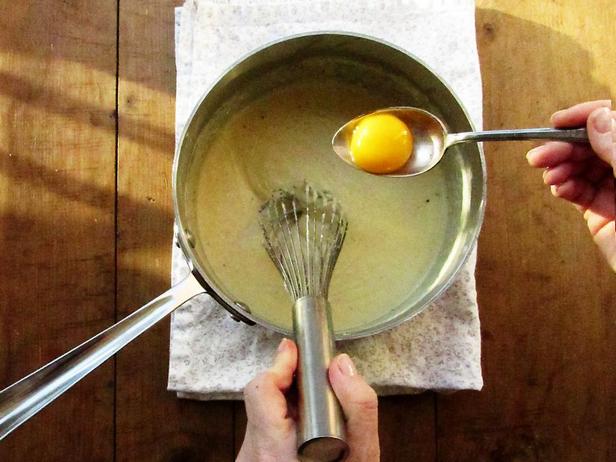
Regardless of the type of soufflé, a base is prepared first, into which the whipped egg whites are then folded. The base is almost always made of butter and flour, cooked together on the stovetop (like choux pastry) to remove the raw taste of the flour. Hot milk or cream is usually added, and then the yolks are slowly whisked in to thicken the mixture. This base contains all the flavor of the soufflé, which will be diluted by the fluffy, neutral-tasting egg whites.
Beat the egg whites
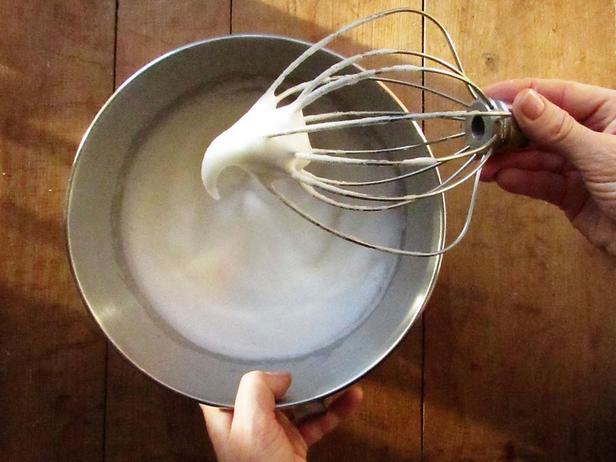
Egg whites can be whipped to a mass up to eight times their original volume. Traditionally, this is done with a whisk in a copper bowl; a stand mixer with a whisk attachment or an electric mixer is more effective. In any case, try to use a metal bowl, as plastic bowls and utensils are difficult to clean of grease residue. To properly whip egg whites, they must be free of grease, dirt, or yolk. If using a mixer, start at low speed and gradually increase the speed. Be careful; stop when peaks form when the whisk is lifted, leaving a curl at the top. If using a whisk, beat in wide, circular motions, lifting the whisk above the bowl to incorporate as much air as possible. Sometimes a pinch of salt or cream of tartar is added to stabilize the whipped egg whites, but this should be done after the egg whites begin to form peaks.
Fold the whites into the base
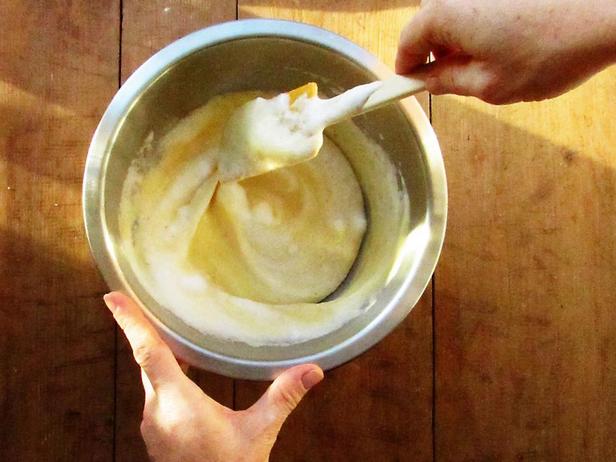
Fold 1/4 of the mixture into the base, then use a spatula to scoop the mixture from the bottom of the bowl and transfer it to the top—just to lightly combine the whites and base. There should be some visible layers in the finished mixture.
Fill out the form
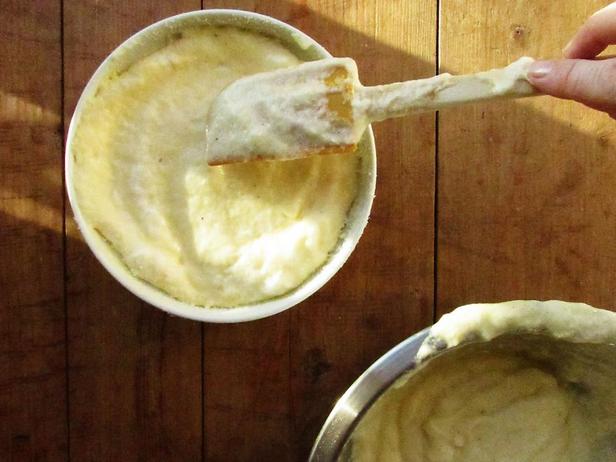
For best results, fill the mold to within 1.3 cm of the rim. The mixture should fill the mold at least 3/4 of the way, so that when it rises, it will extend beyond the rim. Some cooks attach a paper "collar" to the top of the soufflé to make it even more even and tall, but this is not necessary. Smooth the top. To give the finished soufflé a graceful appearance, make a small indentation in the center with your thumb and scrape the edges of the mold.
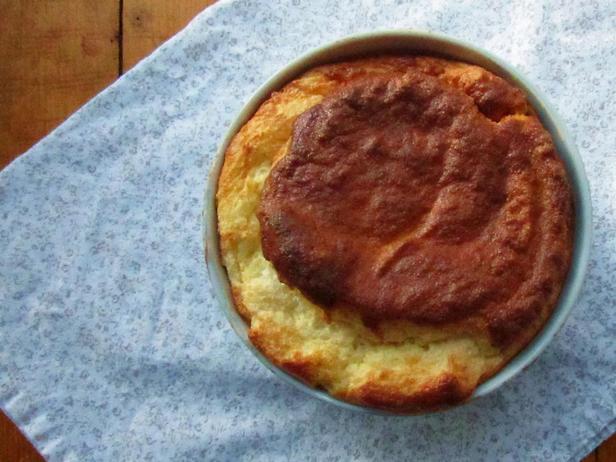
Bake the soufflé
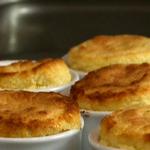
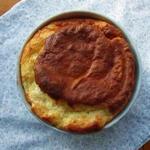
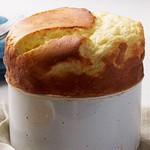
Before turning on the oven, position a rack in the lower third of the oven. Remove the other racks or place them very high to make room for the rising soufflé. Don't open the oven door until the very end of baking (when you want to check). A perfect soufflé will double in size. It will be fluffy and golden brown, with a soft or firm center (when gently shaking the pan, the soufflé may jiggle slightly or remain almost still). The latter is a matter of preference.
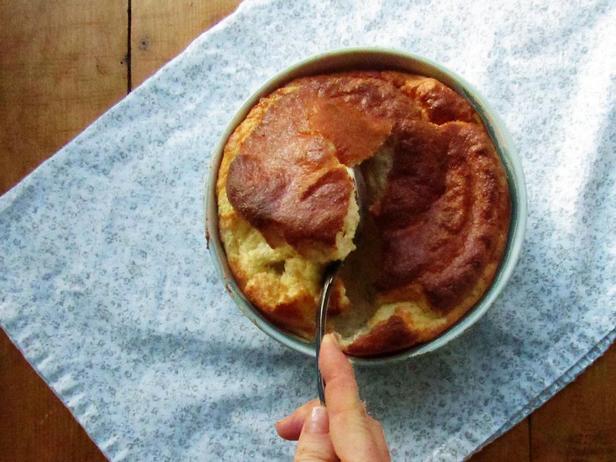
Serve immediately
Some chefs, to check for doneness, insert a knife into the soufflé to see if it comes out clean, but this method isn't ideal for such a delicate dish. If you can't serve the soufflé immediately after baking, remember that if you leave it in the oven, the fluffy top will remain crisp for about 10 minutes, but be sure to turn off the heat to prevent the soufflé from burning. Sometimes, a sauce, sweet or savory, is served with the soufflé. You can spoon it over the entire dish or over individual servings.
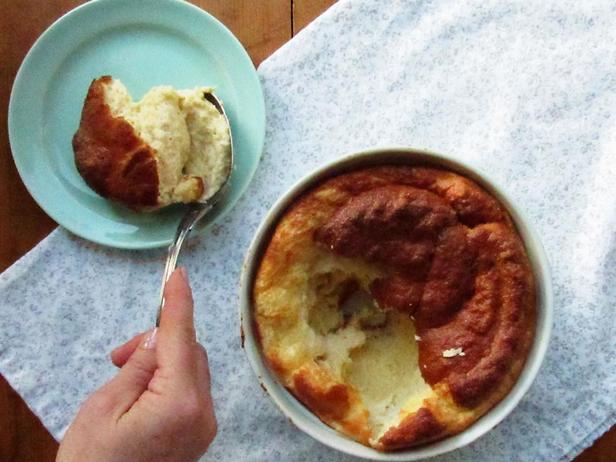
If not everything goes as planned...
If the whites separate and become grainy when whipped: beat in another egg white and whisk for another minute until smooth.
If the soufflé has not risen: The base may be too thick, meaning it's too heavy for the whites to rise. Another possible cause is that the whites were mixed too thoroughly into the base. It's also possible that the whipped whites, or the uncooked soufflé, were left to rest for too long before baking. After mixing, let the soufflé sit for an hour. If this isn't possible, refrigerate it before baking to prevent the whites from collapsing.
If the soufflé has risen in the oven but then settled: Perhaps you overcooked it in the oven or opened the door too often, and the temperature change affected the consistency. Take it out and serve—the soufflé will still be delicious!
Categories:
Similar recipes