What can replace sesame oil?
Sesame oil is a staple of Asian cuisine, especially Chinese and Indian. It's delicious and aromatic, but it's high in calories and not everyone can tolerate it due to its potential for allergies.
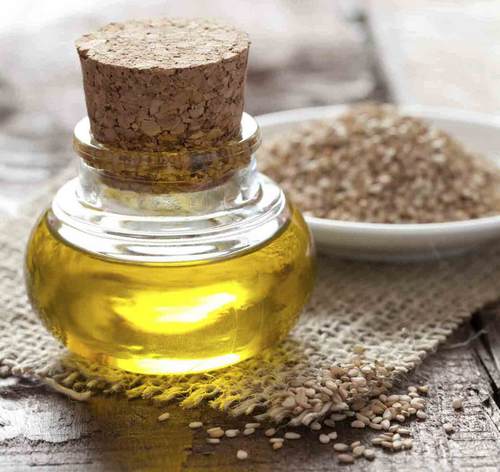
Sesame oil is a staple of Asian cuisine, especially Chinese and Indian. It's delicious and aromatic, but it's high in calories and not everyone can tolerate it due to its potential for allergies.
Sesame oil has long been used in cooking and cosmetics. Sesame has been known for many thousands of years. It is especially popular in the Mediterranean and Asian countries. Genuine sesame oil is so popular that it is not always available everywhere. Therefore, a substitute for sesame oil has to be found.
So, there are 7 oils that are ideal substitutes for sesame oil. They include:
1. Peanut butter. It has numerous benefits. It lowers cholesterol, protects the heart from vascular disease, is an excellent cancer preventative, lowers blood pressure, and even improves complexion! Its inimitable nutty flavor complements many dishes, including Asian ones. However, people with allergies should exercise extreme caution when using it.
2. Perilla oil. It is primarily used by Koreans. Its taste and aroma are very similar to sesame. It is also often used in Chinese cuisine. Perilla oil is rich in omega-3 fatty acids and helps fight obesity and asthma, as well as prevent cancer and blood clotting problems. This oil improves memory and has a number of other benefits. Pregnant and breastfeeding women should not consume it.
3. Walnut oil. The inhabitants of ancient Greece and Persia were the first to cultivate walnuts. Gradually, the nuts began to appear in Europe and other continents. They are in high demand in Mediterranean countries. Walnut oil is sometimes called holy walnut oil. It has a rich, nutty flavor and aroma and can serve as an excellent substitute for sesame oil. It is a source of omega-3 fatty acids and is also beneficial for the heart. It is great added to salads, sauces, and drizzled over fish or meat before grilling. However, walnut oil should not be used for frying.
4. Olive oil. It is one of the oldest. It is used in cooking, for general health, and to improve the condition of skin and hair. There are several types of olive oil: extra virgin, second-pressed, and regular. Extra virgin is considered the healthiest. It is a good substitute for sesame oil in salads. However, it should not be used for frying or baking, as it loses flavor when heated to high temperatures.
5. Avocado oil. Its huge advantage is that it can be used for frying. When heated, it doesn't break down into harmful components, as often happens with many other oils, and remains completely safe for the body. It's very high in monounsaturated fats, which are beneficial for heart health. In many ways, it's very similar to olive oil, so it's a good choice to always have in your kitchen and use as often as possible in cooking.
6. Rapeseed oil. Designed for culinary purposes, it is a modified version of an oil that was originally somewhat toxic to the human body. Rapeseed oil contains many beneficial substances, the most important of which are unsaturated fats. It is well suited for deep-frying foods, and its advantage is its affordability. However, it should be remembered that when heated, it can release substances harmful to the heart and leading to obesity. For this reason, it is recommended to use it in moderation.
7. Grape seed oil. It can also be used as a substitute for sesame oil and offers numerous health benefits. It's especially beneficial for those with diabetes or heart disease. It can reduce pain and is said to even slow the aging process. It shouldn't be heated too much, but it's perfectly fine for frying foods over medium heat. Because it contains omega-6 fatty acids, it's not recommended to consume it too often.
In conclusion, it's worth remembering that any vegetable oil is a source of healthy plant fats. Regularly using them in your cooking will have a beneficial effect on your health.
Sesame oil has long been used in cooking and cosmetics. Sesame has been known for many thousands of years. It is especially popular in the Mediterranean and Asian countries. Genuine sesame oil is so popular that it is not always available everywhere. Therefore, a substitute for sesame oil has to be found.
So, there are 7 oils that are ideal substitutes for sesame oil. They include:
1. Peanut butter. It has numerous benefits. It lowers cholesterol, protects the heart from vascular disease, is an excellent cancer preventative, lowers blood pressure, and even improves complexion! Its inimitable nutty flavor complements many dishes, including Asian ones. However, people with allergies should exercise extreme caution when using it.
2. Perilla oil. It is primarily used by Koreans. Its taste and aroma are very similar to sesame. It is also often used in Chinese cuisine. Perilla oil is rich in omega-3 fatty acids and helps fight obesity and asthma, as well as prevent cancer and blood clotting problems. This oil improves memory and has a number of other benefits. Pregnant and breastfeeding women should not consume it.
3. Walnut oil. The inhabitants of ancient Greece and Persia were the first to cultivate walnuts. Gradually, the nuts began to appear in Europe and other continents. They are in high demand in Mediterranean countries. Walnut oil is sometimes called holy walnut oil. It has a rich, nutty flavor and aroma and can serve as an excellent substitute for sesame oil. It is a source of omega-3 fatty acids and is also beneficial for the heart. It is great added to salads, sauces, and drizzled over fish or meat before grilling. However, walnut oil should not be used for frying.
4. Olive oil. It is one of the oldest. It is used in cooking, for general health, and to improve the condition of skin and hair. There are several types of olive oil: extra virgin, second-pressed, and regular. Extra virgin is considered the healthiest. It is a good substitute for sesame oil in salads. However, it should not be used for frying or baking, as it loses flavor when heated to high temperatures.
5. Avocado oil. Its huge advantage is that it can be used for frying. When heated, it doesn't break down into harmful components, as often happens with many other oils, and remains completely safe for the body. It's very high in monounsaturated fats, which are beneficial for heart health. In many ways, it's very similar to olive oil, so it's a good choice to always have in your kitchen and use as often as possible in cooking.
6. Rapeseed oil. Designed for culinary purposes, it is a modified version of an oil that was originally somewhat toxic to the human body. Rapeseed oil contains many beneficial substances, the most important of which are unsaturated fats. It is well suited for deep-frying foods, and its advantage is its affordability. However, it should be remembered that when heated, it can release substances harmful to the heart and leading to obesity. For this reason, it is recommended to use it in moderation.
7. Grape seed oil. It can also be used as a substitute for sesame oil and offers numerous health benefits. It's especially beneficial for those with diabetes or heart disease. It can reduce pain and is said to even slow the aging process. It shouldn't be heated too much, but it's perfectly fine for frying foods over medium heat. Because it contains omega-6 fatty acids, it's not recommended to consume it too often.
In conclusion, it's worth remembering that any vegetable oil is a source of healthy plant fats. Regularly using them in your cooking will have a beneficial effect on your health.
Votes: 1
Categories:
Related articles