Olive
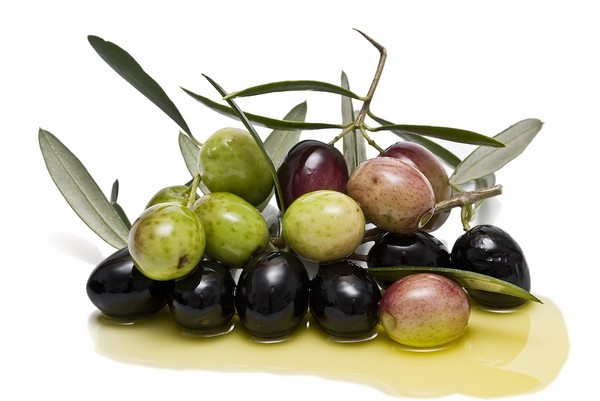
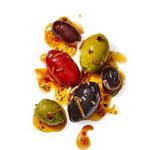
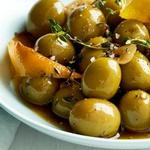
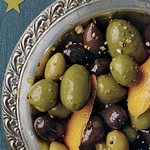
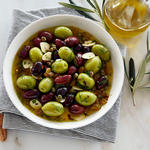
Olives are grown in the Mediterranean region. They have been cultivated there since biblical times. They are primarily green and black, although there are varieties with various shades in between.
The difference in color—green and black—doesn't necessarily mean the fruits belong to different species. It simply means they were picked at different stages of ripeness. Olives are harvested in October or November, when they are still green and not fully ripe. They fully ripen in December, when they turn black. For some reason, black olives are more often called "olives" in Russia.
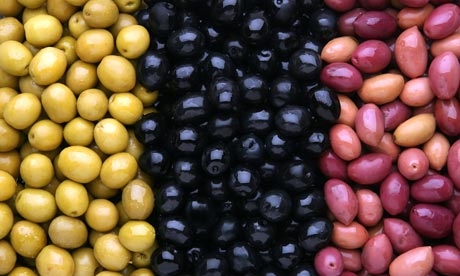
Most of the harvest is usually used to produce olive oil, and the rest is pickled or salted – these are the olives that we buy in jars and use in cooking.
How and when to buy?
Olives are available year-round. They're available not only canned but also dried. In the latter case, it's best to buy them loose. This way, you can try a small amount of each variety first, then buy a larger batch.
Green olives are usually quite firm and have a sharper flavor than black ones. The best and juiciest varieties are Queen and Manzanilla. They are only available in Spain. Another popular variety is Cerignola; as the name suggests, it is produced in Italy.
The riper the olive, the more oil it contains, which makes the fruit's flavor and texture more delicate and soft. The best black olives, or olives, are considered to be those from Italy called Gaeta.
Instead of real olives, stores often sell olives dyed black with a salt solution. Of course, real olives and dyed olives taste very different.
Kalamata olives from Greece are highly prized. They are large, purple-hued, and have a slightly fruity flavor. They are considered the finest in Greece.
Olives are sometimes stuffed with nuts, lemon zest, capers, anchovies, or pepper. This gives them a sharper, more interesting flavor. Large green Italian olives from Puglia and Sicily are best for stuffing. In general, buying pitted olives is not recommended, as their flavor is much weaker than that of pitted olives.
Culinary uses
Open the jar of olives and drain the brine. You can now pit the olives if you wish, but you don't have to. You can leave the olives whole or chop them into small pieces according to the recipe you're preparing.
Stuffed olives are great served with various alcoholic drinks, or made into tapenade and added to salads, pasta, stews and pizza.
Storage
Canned olives should be kept in a cool, dark place until ready to use. They typically keep well for up to 12 months. After opening, the olives and their brine should be poured into a glass container with a tight-fitting lid; this will keep well for 3-4 days.
Fresh olives can also be stored in the refrigerator in a tightly sealed container for 3-4 days.
All recipes with olives
Categories:
Related articles