How is olive oil made?
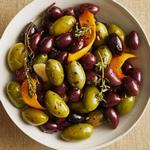
The entire process begins with the berry picking. Olives are harvested at a specific time, when they are almost ripe. Scientists claim that manual berry picking is much better than automated picking. It allows for the selection of olives of the right size and ripeness, and it also minimizes damage to the berries.
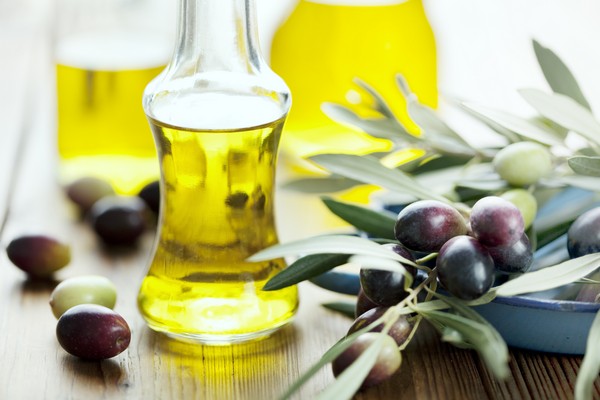
The entire process begins with the berry picking. Olives are harvested at a specific time, when they are almost ripe. Scientists claim that manual berry picking is much better than automated picking. It allows for the selection of olives of the right size and ripeness, and it also minimizes damage to the berries.
Next, it's transported to the factory. This is done daily, as transporting it reduces the time between harvesting and pressing. This greatly improves the quality of the oil. Then, using special fans, the leaves are removed. Finally, it's washed with potable water to prevent contamination.
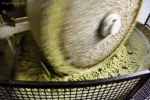
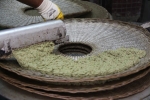
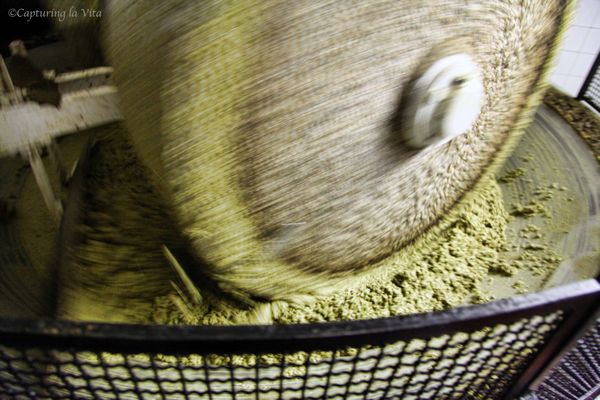
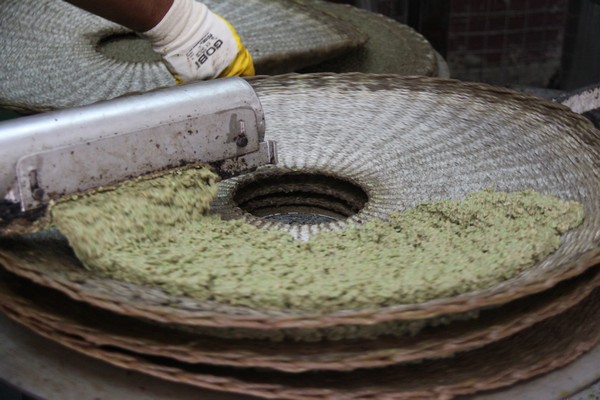
The next stage is grinding the olives into a paste. Olive oil is typically found in the cells of the fruit. A device similar to a mill is used for grinding. It extracts the oil from the cells without heating. A valve on the side allows the oil to pass through and form into small cakes. These cakes are then stacked on top of each other and pressed.
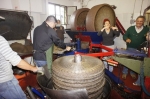
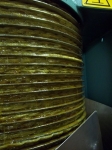
The first pressing yields the highest quality oil, while subsequent pressings are of lower quality. Finally, the oil is poured to separate out water and small particles. To prevent quality loss, this process takes place at a temperature of 16–28 degrees Celsius.
Next, it's transported to the factory. This is done daily, as transporting it reduces the time between harvesting and pressing. This greatly improves the quality of the oil. Then, using special fans, the leaves are removed. Finally, it's washed with potable water to prevent contamination.
The next stage is grinding the olives into a paste. Olive oil is typically found in the cells of the fruit. A device similar to a mill is used for grinding. It extracts the oil from the cells without heating. A valve on the side allows the oil to pass through and form into small cakes. These cakes are then stacked on top of each other and pressed.
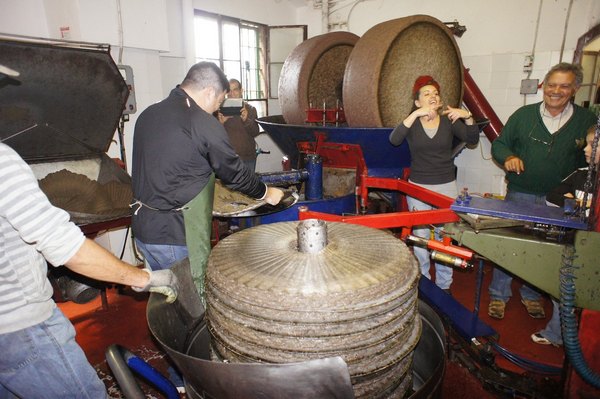
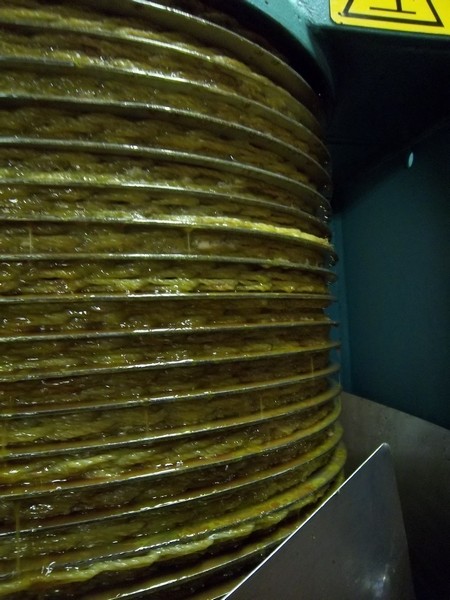
The first pressing yields the highest quality oil, while subsequent pressings are of lower quality. Finally, the oil is poured to separate out water and small particles. To prevent quality loss, this process takes place at a temperature of 16–28 degrees Celsius.
Votes: 1
Categories:
Related articles