How Bread Is Made: From Dough to Shelf
Have you ever wondered how bread is made? What's added to it? How does it get the shape it has in the store?
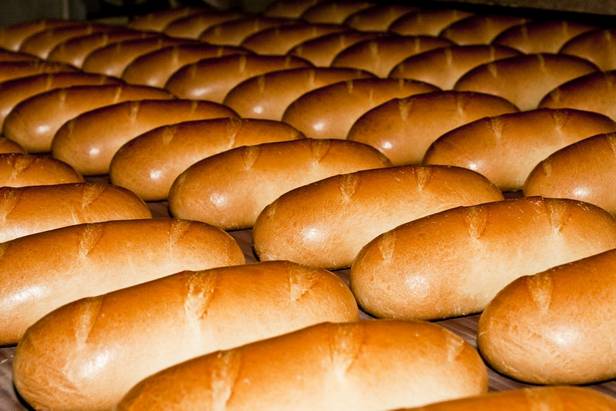
For centuries, bread has been a staple food for many people. While its preparation once required considerable labor, now all you need to do is go to the store and buy the bread you like. Despite the development of mass production and refined manufacturing techniques, a great deal of effort and ingredients still goes into each loaf. Before bread hits the shelves, producers conduct extensive marketing research to determine consumer tastes, texture, and packaging.
What production processes are used in bread factories and bakeries?
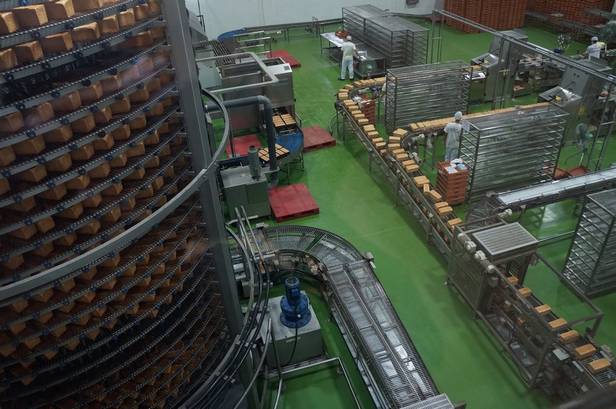
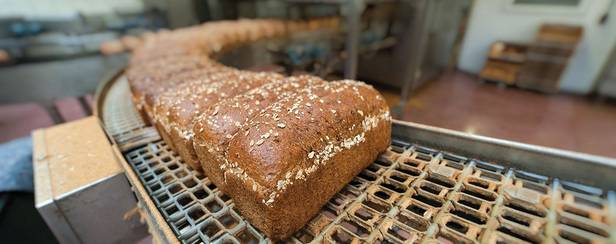
The primary ingredients for baking bread remain the same: flour, water, yeast, and various flavor enhancers such as sugar, salt, and spices. All of this is placed in a huge vat and mixed with a large mixer. The resulting dough is then divided into individual loaves or rolls, each of which is allowed to rise slightly. After the bread has risen, it is baked until it reaches the desired color. After baking, the bread is cooled for two hours, cut, and packaged.
What else is added to bread?
Ascorbic acid, or vitamin C, is always added to bread to improve dough formation. It helps loaves rise properly and retain their softness for a long time after baking.
Soy flour is used to give white bread its white color. Without it, it would have a gray tint and would likely be less popular.
Emulsifiers make bread soft. They are added to the dough last. They are what keep the bread fresh while it's stored at home. These can include calcium propionate, fermented wheat flour, or vinegar. They all do the same thing: they transform the moisture in the bread into a slightly acidic environment that prevents mold. There are pros and cons to using each. Using vinegar will give the bread a slight vinegary flavor, while adding something else can create other unexpected flavor nuances. Bakers carefully select ingredients and their proportions to achieve the delicious taste of the bread itself, not just its individual components.
Why does bread cost so much everywhere? What determines the price?
The main costs in bread production are the cost of flour, dough improvers, packaging and marketing.
The cost of flour depends on the harvest and the producer. Flour must be of the highest quality.
Dough improvers are additives that soften bread, give it the desired texture and flavor, and give it the appearance we love. The fewer of these in the dough, the less appetizing the bread will be. Instead of being white, fluffy, and airy, it will be gray, too porous, and moldy faster.
Packaging consists of more than just the bags and boxes the bread will be stored in. It also includes the cost of the paint and ink used to print the text on the packaging, the artists and designers who created the artwork, and much more.
Marketing research into where and what kind of bread is best to sell, its delivery and sales also require financial investment.
How long does bread stay fresh?
Depending on the recipe, bread will keep for an average of three days, although it can sometimes stay fresh for up to 12 days.
How to store bread so that it doesn’t spoil prematurely?
Some people believe that storing bread in the refrigerator will prevent it from spoiling too quickly, but this method actually makes it taste worse faster. Yes, it's best to store it in a cool, but not cold, place.
– The crusts protect the bread from drying out, so don’t cut them off unnecessarily.
– Bread can be frozen. It's best to cut it into slices first and take one at a time as needed.
What to do if bread starts to spoil?
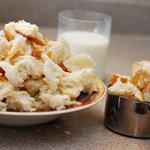
If bread is starting to go stale, it's a good idea to toast it or fry it in a pan. It can also be frozen or grated and used as breadcrumbs for frying cutlets, fish, or meat.
What production processes are used in bread factories and bakeries?
The primary ingredients for baking bread remain the same: flour, water, yeast, and various flavor enhancers such as sugar, salt, and spices. All of this is placed in a huge vat and mixed with a large mixer. The resulting dough is then divided into individual loaves or rolls, each of which is allowed to rise slightly. After the bread has risen, it is baked until it reaches the desired color. After baking, the bread is cooled for two hours, cut, and packaged.
What else is added to bread?
Ascorbic acid, or vitamin C, is always added to bread to improve dough formation. It helps loaves rise properly and retain their softness for a long time after baking.
Soy flour is used to give white bread its white color. Without it, it would have a gray tint and would likely be less popular.
Emulsifiers make bread soft. They are added to the dough last. They are what keep the bread fresh while it's stored at home. These can include calcium propionate, fermented wheat flour, or vinegar. They all do the same thing: they transform the moisture in the bread into a slightly acidic environment that prevents mold. There are pros and cons to using each. Using vinegar will give the bread a slight vinegary flavor, while adding something else can create other unexpected flavor nuances. Bakers carefully select ingredients and their proportions to achieve the delicious taste of the bread itself, not just its individual components.
Why does bread cost so much everywhere? What determines the price?
The main costs in bread production are the cost of flour, dough improvers, packaging and marketing.
The cost of flour depends on the harvest and the producer. Flour must be of the highest quality.
Dough improvers are additives that soften bread, give it the desired texture and flavor, and give it the appearance we love. The fewer of these in the dough, the less appetizing the bread will be. Instead of being white, fluffy, and airy, it will be gray, too porous, and moldy faster.
Packaging consists of more than just the bags and boxes the bread will be stored in. It also includes the cost of the paint and ink used to print the text on the packaging, the artists and designers who created the artwork, and much more.
Marketing research into where and what kind of bread is best to sell, its delivery and sales also require financial investment.
How long does bread stay fresh?
Depending on the recipe, bread will keep for an average of three days, although it can sometimes stay fresh for up to 12 days.
How to store bread so that it doesn’t spoil prematurely?
Some people believe that storing bread in the refrigerator will prevent it from spoiling too quickly, but this method actually makes it taste worse faster. Yes, it's best to store it in a cool, but not cold, place.
– The crusts protect the bread from drying out, so don’t cut them off unnecessarily.
– Bread can be frozen. It's best to cut it into slices first and take one at a time as needed.
What to do if bread starts to spoil?
If bread is starting to go stale, it's a good idea to toast it or fry it in a pan. It can also be frozen or grated and used as breadcrumbs for frying cutlets, fish, or meat.
Author of the article: Natalia Semenova "TopCook"
Votes: 1
Categories:
Related articles