Olive oil
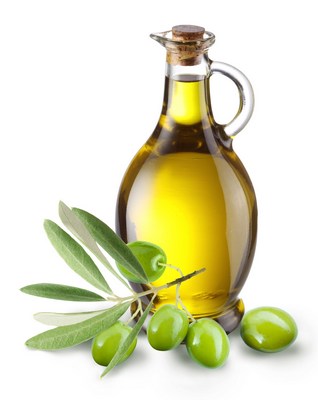
Olive oil is very popular and widely used in cooking. It is produced primarily in Mediterranean countries—Italy, Spain, and Greece—although it is also produced in America and Australia. The flavor of olive oil is influenced by the climate and soil type in which the olives are grown.
When determining the value of olive oil, three components are assessed: taste, aroma, and color. These can vary depending on the variety and many other factors.
It's generally observed that the hotter the country where olive oil is produced, the better its flavor. Sometimes, however, olive oil is intentionally flavored with herbs and spices, which are steeped in it for 10 days and then removed. Flavoring oil with pepper requires less than 10 days.
How and when to buy?
Olive oil can be purchased at any time of the year.
Extra virgin olive oil is the most expensive and valuable. It is designated as "extra virgin." It has very low acidity (less than 1%) and is ideal for salad dressings, as its essential components are fully preserved and not destroyed by heat.
Second-pressed olive oil (designated as "virgin") has a higher acidity level (up to 2%). It is used in the same way as extra virgin olive oil for salad dressings and in various Mediterranean dishes. However, it should not be used for frying.
Oil that's completely purified from all impurities is considered the cheapest. It has almost no flavor or aroma, so it's not recommended for use in salads. However, it's a good all-purpose product that can be used to season a wide variety of dishes. However, it's also not recommended for frying.
Oil from Spain is highly prized; it has a slightly sweet taste with the aroma of melon and nuts and a slight piquant bitterness.
Italian butter can vary, and its flavor depends on the region where it's produced. In the north of the country, they produce a mild, slightly nutty butter that pairs well with fish. Central Italy produces butter with a herbaceous aroma, while in the south, in Sicily, they produce butter with a hint of herbs.
Greek olive oil has a spicy, fruity or peppery aroma and is suitable for a variety of dishes.
Culinary uses
Commercially available olive oil is already ready to use. If you want to infuse it with additional flavors of herbs and spices, follow these steps: pour a certain amount of oil into a separate clean bottle, add the herbs, and let it sit for 10 days.
Read more about this, How olive oil is made in the next article.
Storage
Olive oil's quality deteriorates when exposed to sunlight. Therefore, it should be stored in a tightly sealed bottle in a cool, dark place. A kitchen cabinet is a good place for this. Never leave the oil on a windowsill or counter.
The taste and aroma of the oil do not deteriorate with long-term storage, but it is at its most delicious within one year after bottling.
Categories
Culinary Encyclopedia / Fatty foodsSimilar material
Chicken breasts with lemon juice and tequila
Classic vinaigrette dressing
Butternut squash in the oven

Warm salad with fennel and grapefruit

Focaccia Tea Sandwich with Olives
Parsnips in maple glaze

Chickpea and Hazelnut Chocolate Spread
Steamed broccoli florets

Vinaigrette sauce
Spaghetti "Alio e olio" (with olive oil and
Fresh champignon salad
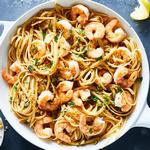
Linguine pasta with shrimp and lemon butter
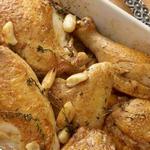
Chicken and 40 cloves of garlic

Crostini with baked tomatoes, ricotta and
Eggplant soup
Eggplant caviar

Olive oil with garlic and lemon
Olive oil with basil
Olive oil with chili
Baked Beetroot Carpaccio
Corn salad with beans
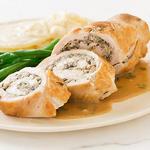
Chicken breasts stuffed with spinach
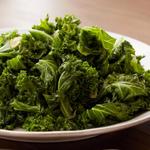
Braised Kale
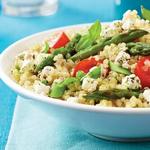
Asparagus with quinoa salad and vinaigrette
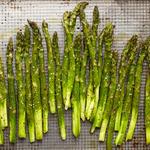
Baked asparagus in the oven

Spiced olive oil
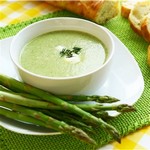
Cream of asparagus soup
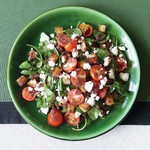
Salad with trout, arugula and cheese
Sauerkraut Reuben Sauce

Bruschetta with dry-cured beef and marinated
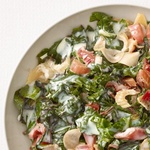
Fried Swiss chard with cream
Spicy mushrooms
Appetizers
Beer snacks
Cheese appetizers
Sandwiches
Snacks
Canapes
Assorted appetizers
Snacks with sauces
Meat appetizers
Fish appetizers
Vegetable appetizers
Egg appetizers
Soups
Cold soups
Creamy soups
Cream soups
Soups with dressings
Clear soups
Vegetable soups
Thick soups, stews
Meat soups
Fish soups
Soups with pasta and cereals
Main courses
Meat
Bird, game
Side dishes
Vegetables, mushrooms
Fish, seafood
Cereals, legumes
Eggs, dairy products
Pasta
Casseroles
Salads
Warm salads
Vegetable salads
Leafy salads
Fruit salads
Salads with cereals and pasta
Salads with meat
Salads with fish
Salads with eggs
Salads with beans
Salads with bread
Fast food
Hamburgers
Sandwiches
Hot dogs
Pizzas
Hot sandwiches
Tortilla Dishes
Pita dishes
Pancakes
Sauces for fast food
Deep-fried dishes
Sauces
Seasonings
Gravies
Dips
Spreads
Barbecue glazes and sauces
Salad dressings
Oil mixtures
Emulsion sauces
Sweet sauces
Hot sauces
Sauces for fast food
Grill, barbecue
Grilled meat
Grilled poultry
Grilled fish
Smoked dishes
Grilled vegetables and fruits
Grilled flour products
Barbecue glazes and sauces
Bakery
Savory pies, pizzas
Homemade bread
Potato pancakes, pancakes
Unsweetened buns, pies
Unsweetened cookies and muffins
Desserts
Cupcakes
Fruit desserts
Cookie
Cakes
Donuts, pies, buns
Candies and small sweets
Creams, sauces, mousses, puddings
Soufflé, meringues, meringues
Jelly
Ice cream, sorbets
Cakes
Sweet pies, tarts
Pancakes, fritters, waffles, toast
Breakfast cereals, granola, muesli
Drinks
Milkshakes
Smoothies, granitas
Coffee and chocolate based drinks
Fruit drinks, juices
Tea and herbal drinks
Hot drinks
Alcoholic cocktails
Cocktails with vodka
Cocktails with gin
Whiskey cocktails
Cocktails with wine
Cocktails with brandy, cognac
Cocktails with absinthe
Cocktails with rum
Cocktails with sparkling wine
Tequila cocktails
Cocktails with beer
Cocktails with liqueurs
Frozen cocktails
Cooking methods
Air fryer
Pressure cooker
Cold dishes
Multicooker
Stuffed dishes
Deep-frying
Double boiler
Pan
Baking tray
Foil
Oven
Roaster
Mixer
Blender
Brazier
Food processor
Microwave
Wok
Pickled dishes
Dried and cured foods
Pickled dishes
Poached dishes
Salty dishes
Smoked dishes
Canned goods
Seasonal dishes
Festive dishes
New Year
Christmas
Valentine's Day
March 8
Easter
May 1st
Halloween
Birthday
Party Dishes
Wedding dishes
Cocktail party
Dinner party
Mother's Day
Cuisines of the world
European
French
Italian
Spanish
Greek
English
Irish
German
Portuguese
Austrian
Polish
Russian
Scandinavian Swedish
Asian Chinese Japanese Thai Vietnamese Korean Filipino
Arabic Jewish Turkish
Indian
African Moroccan
American Hawaiian Cajun Canadian Tex-Mex
Latin American Mexican Venezuelan Argentine Brazilian
Caribbean Cuban Jamaican
Scandinavian Swedish
Asian Chinese Japanese Thai Vietnamese Korean Filipino
Arabic Jewish Turkish
Indian
African Moroccan
American Hawaiian Cajun Canadian Tex-Mex
Latin American Mexican Venezuelan Argentine Brazilian
Caribbean Cuban Jamaican
Categories
Breakfasts
Lunches
Dinners
Children's dishes
Dishes for future use
Budget recipes
Comfort food
Recipes for one
Recipes for two
Picnic
Backyard Recipes
Dishes for fans
Movie Night Dishes
Cooking methods
Food Network Recipes
Recipe collections
Recipes by ingredients
Healthy eating
Healthy breakfasts
Lunches
Dinners
Healthy snacks
Dishes rich in fiber
Gluten-free dishes
Low sodium content
Low-calorie dishes
Dishes for diabetics
Low-carb meals
Low fat content
Low cholesterol
Calorie content of prepared meals
Vegetarian dishes
Vegan dishes