Interesting professions in the culinary industry

Food Network Magazine has compiled a list of the top culinary jobs in America and explains what it takes to land one.
Fast Food Menu Developer: Trevor Wilson, Sonic Restaurants
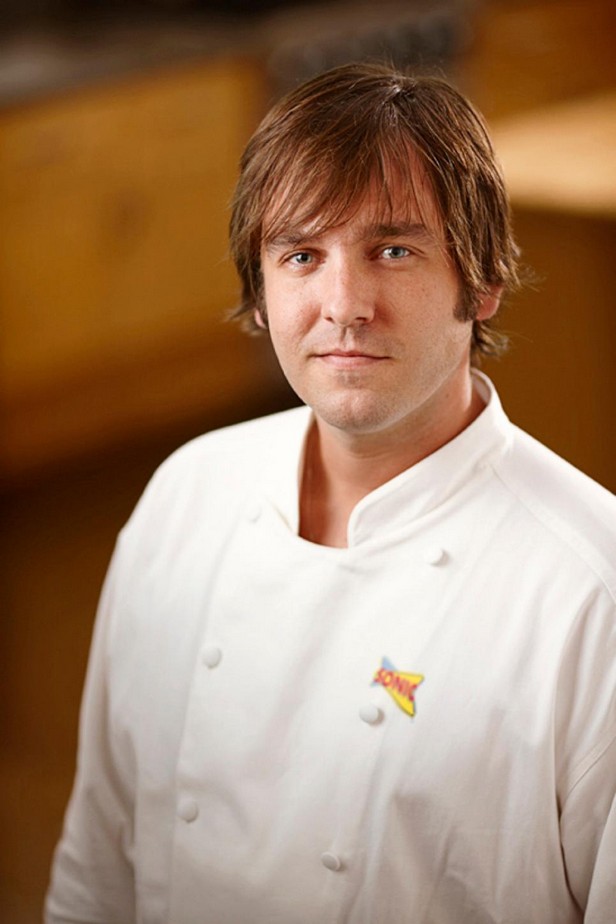
When you see a new item on a restaurant chain's menu, you know someone spent months or even years developing it. Trevor Wilson, a product developer at Sonic, studies culinary trends and then creates his own interpretations of popular dishes.
The main advantage: Trevor travels across the country in search of inspiration. One day he's trying a cheesesteak in Philadelphia, the next he's searching for new spicy flavors in the American Southwest.
How to get a job: Wilson has a culinary background, but being a good chef isn't enough. Successful dishes need to be tasty and popular, so marketing experience is a plus.
Willy Wonka in real life: Janet T. Planet, Nestle
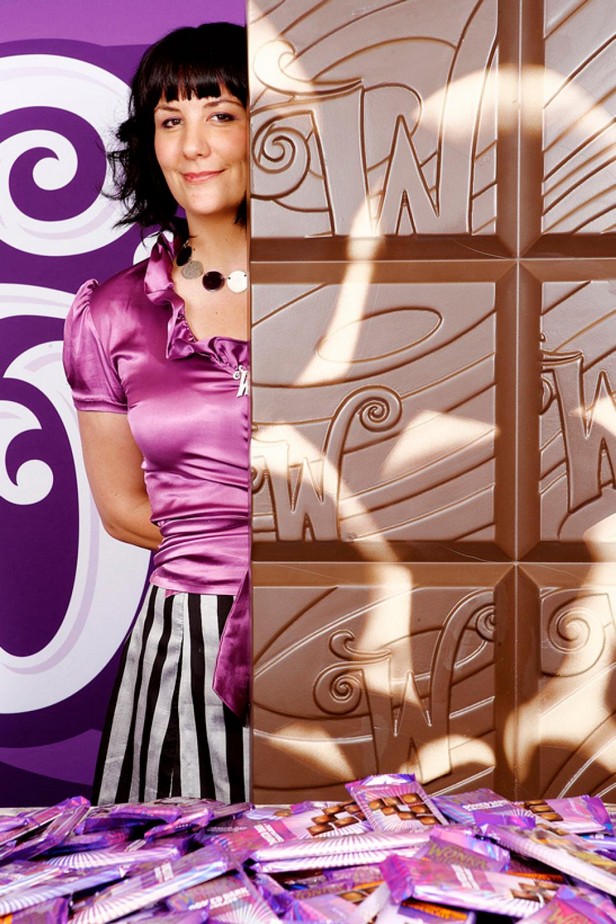
Janet Planet's (her real name on her passport) job is reminiscent of the film "Charlie and the Chocolate Factory." As an innovation manager at Nestlé, Janet dreams up new, unusual sweets under the Wonka brand. She sketches new candies and develops flavor combinations, then participates in creating the shapes of future sweets and designing the wrappers.
The main advantage: Working in a candy factory. "You see waterfalls of colorful candies and jelly beans, and the aroma is simply amazing," she says.
How to get a job: A rich imagination and experience in the creative industry are essential here, but technical skills are also important. Planet is also a fashion designer and engineer.
Pastry Chef: Bill Yosses, White House
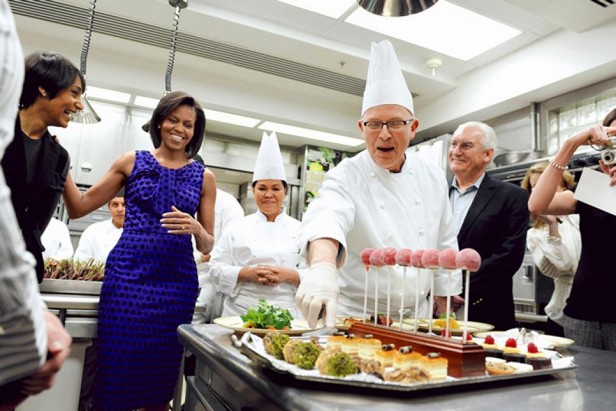
As the White House pastry chef, Bill Yosses creates sweet treats for the presidential family and VIP guests. Among his most intriguing projects are a giant gingerbread house for Christmas (complete with a marzipan figurine of Bo the dog) and Obama family favorites like peach cobbler.
The main advantage: You can call the White House your office. And even get a nickname (like "Cake Master") from the president himself.
How to get a job: Before Laura Bush offered Yossez the job, he had become renowned for his world-class pastries in New York's finest restaurants. He gained an excellent foundation by graduating from culinary school and completing an internship in Paris. Integrity is also crucial. Yossez had to undergo a thorough background check.
Unusual Fruit Breeder: David Jackson, KiwiBerry Organics
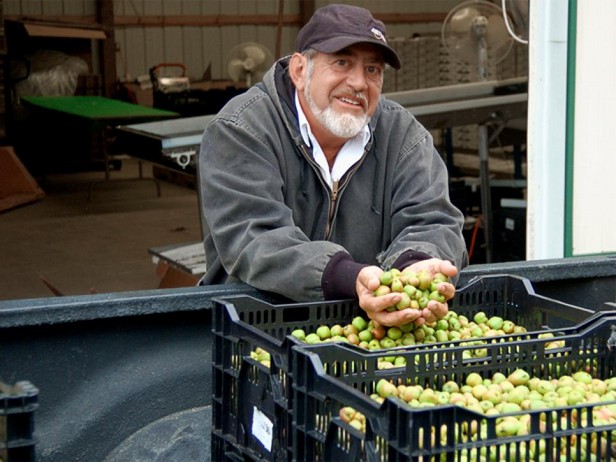
Breeder David Jackson grows KiwiBerries: a rare kiwifruit variety that looks like a grape and tastes like a kiwi (but smoother). David works over 300 days a year, as these fruits require constant care, but he loves his work. He's constantly searching for new varieties and spends years achieving the perfect sweet fruit through cross-pollination.
The main advantage: Customer reactions. Mini kiwis are a real eye-catcher in the store. "The best part of my job is seeing the expressions on people's faces when they try one for the first time," says David.
How to get a job: Jackson, a former drummer, had always loved gardening; he read about the tiny kiwi fruit and decided to start growing them.
On-Set Food Stylist: Susan Spungen
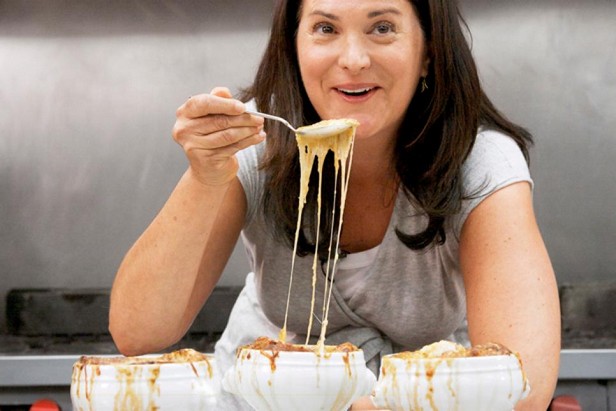
Meryl Streep brilliantly portrayed Julia Child in Julie & Julia, but preparing all those dishes required the help of a professional—namely, food stylist Susan Spungen. For the scene in which Streep and her co-star Amy Adams ate French onion soup, Spungen experimented with various cheeses in search of the perfect strand of melted cheese that would stretch out from the plate. "A food stylist creates a narrative," she says. Don't believe the rumors about fake food: Spungen uses simple tricks, like drizzling the pasta with oil on the set of Eat, Pray, Love, to keep the dish looking fresh.
The main advantage: Traveling and meeting celebrities. While filming Eat, Pray, Love, Spungen spent three weeks in Rome cooking for Roberts and the rest of the cast.
How to get a job: Spungen began her career as a caterer and food editor at a magazine. She recommends getting a culinary degree and then gaining experience by working as a food stylist's assistant.
Professional Gum Chewer: Bill Hirt, Cadbury
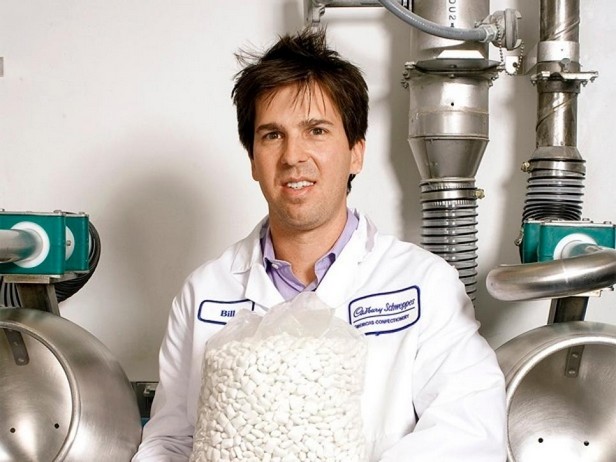
Bill Hirt creates new chewing gum flavors at Cadbury (brands Trident, Dentyne, and others). He had a moment of inspiration when he bought some fruit juices, mixed them, and found the inspiration for Trident Tropical Twist, which became the brand's most popular chewing gum. He tests his ideas almost daily at special meetings where people chew the gum and provide feedback on taste, texture, and longevity. This is how unsuccessful ideas, like strawberry gum, which tasted like rotten vegetables, are discarded.
The main advantage: Free sweets! Tasters cleanse their taste buds with chocolate.
How to get a job: Chewing gum production is highly technical, so a food industry background is helpful. And if you enjoy chewing gum, it's a plus.
Gourmet Food Buyer: Maria Remer, Dean & Deluca
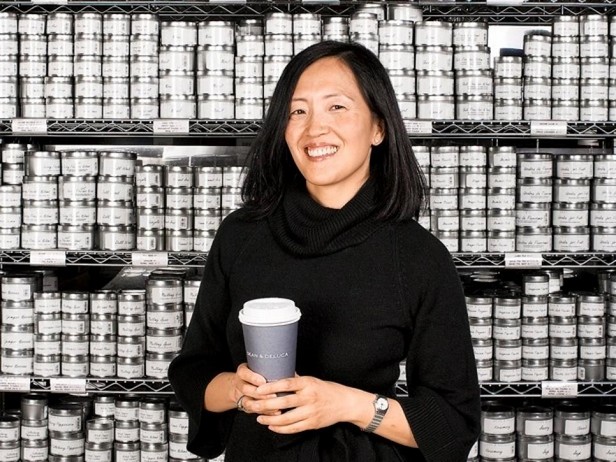
Specialty store Dean & Deluca is known for its high-end and exotic merchandise, and Maria Remer is responsible for finding them. She searches for the finest breads, sweets, and packaged goods, analyzing their packaging, prices, and, of course, taste.
The main advantage: Trying new foods all day long. "Who else gets to try 10 types of potato chips in one sitting?" she says.
How to get a job: This requires knowledge of food products and a sensitive taste buds. Remer recommends starting in retail, a professional kitchen, or a food production facility.
We recommend







Restaurant critic: Frank Bruni, The New York Times
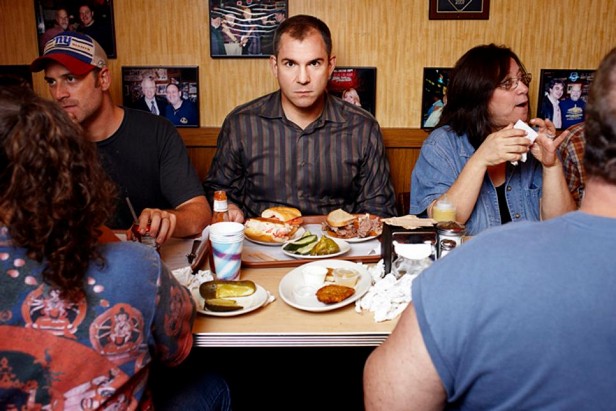
Dining out in New York City restaurants almost every night is challenging, but someone has to be a restaurant reviewer for the New York Times. Frank Bruni held the job for five years and still covers bars and spirits for the paper. "Your job is to dine out all the time, and there's a budget for that," he says, explaining that the company pays for all meals to ensure critics can write fairly. For each review, he visited each restaurant multiple times and sampled almost the entire menu.
The main advantage: Expense account. Bruni doesn't disclose her annual budget, but some sources say it's over $150,000.
How to get a job: The most important thing is to be a good writer. And you need to seize the moment: there aren't many openings for critics.
Restaurant designer: Stephanie Goto, Stephanie Goto Design Group

New restaurants can attract attention not only with their food but also with their design, thanks to specialists like Stephanie Goto—she chooses everything from chairs and wall colors to the bar layout to bring the client's vision to life.
The main advantage: Industry connections. Stephanie works with restaurateurs and has many friends in the industry, so she never has to wait long for a table.
How to get a job: Goto is a qualified architect; she says it's crucial to have experience in architecture, interior design, or product development. Flexibility is also essential. She once had to redo a design when the stuffed animals needed for the project got stuck at customs.
Culinary Ghostwriter: JJ Goode
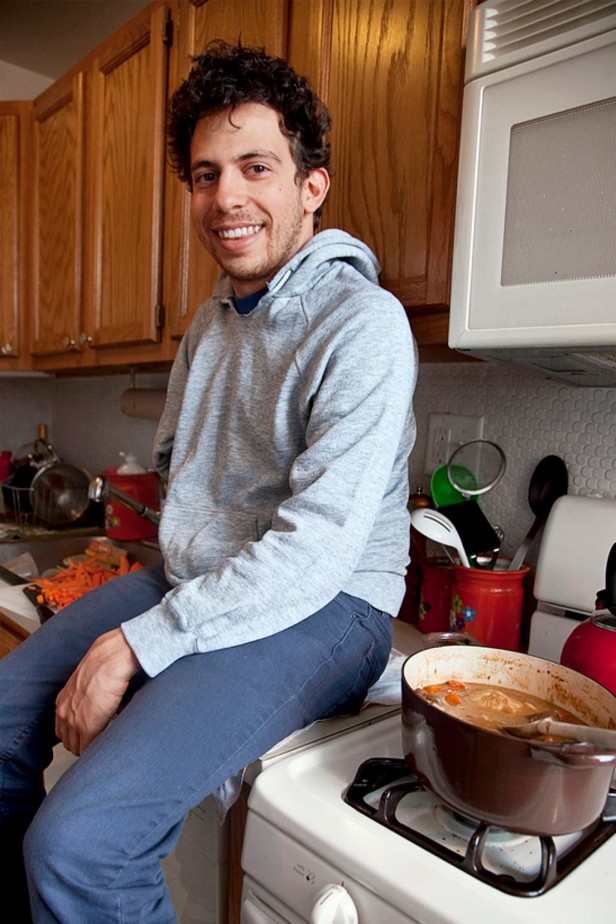
When restaurant chefs want to write a cookbook, they hire someone like JJ Goode, an experienced chef who will transform their dishes into recipes that even novices can understand. Goode spends his days in the kitchens of renowned chefs like Masaharu Morimoto and Adam Perry Lang, who prepare dish after dish specifically for him. He then tweaks their recipes.
The main advantage: Private tasting. "I sit and watch the chefs cook, ask them questions, and wait for my lamb to be served," says Good.
How to get a job: Good insists that friendliness is even more important than good writing skills. "Chefs hire you because they enjoy interacting with you. They need to be confident that the next nine months you'll spend together won't be a miserable experience."
Votes: 253
Author of the recipe - TopCook
Categories:
Related articles