History of Culinary Arts
An informative article for culinary enthusiasts. Learn about the development of certain cooking methods, the origins of tea and coffee brewing, and much more about culinary history.
Who was the first person on Earth to appreciate all the flavors and aromas God has given us? Who was the first to prepare culinary dishes?
According to the Bible, God created Adam and Eve, who lived in an idealistic garden where they had everything they wanted. However, historical and archaeological evidence tells a different story. The advanced brains of Paleolithic humans required a more calorie-dense diet.
Before the invention of fire, primitive people ate fruits and tree roots and raw meat. Researchers say that fried meat It happened completely by accident - animals that died during fires were more popular with primitive people because they tasted better and were more easily digested than raw animals.

Roasting wasn't initially used only for cooking meat. Culinary history tells us that grains of various cereals were spread on flat stones or in shells, small cavities in rocks, or even animal skulls, and then exposed to fire. However, this culinary art barely developed until the invention of pottery, which occurred during the Neolithic era.
Researchers also discovered that the diet of prehistoric people included a dish later used by Roman soldiers called "polenta." It was somewhat similar to the Romanian mamaliga. This product was made by mixing water with the seeds of wild herbs, which were then crushed to form a smooth paste. The paste was then fried on a flat stone until a golden brown crust formed on the outside. This is how the first bread was created.
Of course, cooking methods improved with the advent of clay pottery, the domestication of wild animals, and the cultivation of edible plants. The very first drink of prehistoric humans was milk, initially given to children to improve their growth and health. However, the raw milk they initially drank wasn't always beneficial. Sometimes it caused various illnesses and even death.
Ancient hunters rarely stayed in one place; they constantly moved from one place to another, so they didn't store water or other liquids. However, for sedentary tribes, living in one place and polluting nearby bodies of water led to various serious diseases. This became possible with the invention of sterilizing liquids through fermentation.
Homemade grape wine appeared around 3000 BC. Whiskey and brandy began to be produced around 800 years ago. The first real beer was produced around 600 years ago.
In addition to fermentation, boiling water began to be used to prevent the growth of various bacteria. It was discovered that boiling water could be used to brew plant leaves and flowers, producing a variety of delicious beverages. Thus, the era of tea began in China during the Tang Dynasty (618-907). Central Asian nomads also brewed tea. tea, and they brought it to Russia. In the 6th century, tea arrived in Japan, but it didn't immediately become popular there. From Japan, tea was brought to Indonesia, after which it appeared in what is now the Netherlands, and only then did it reach other European countries. A few hundred years later, the English took up tea. They would make the drink so popular and actively engage in its trade.
Historical distribution coffee This is also quite interesting. The coffee plant was originally a wild species, native to Ethiopia. The Gallic tribes used coffee beans as food during wartime. To prevent the beans from spoiling, they covered them with a thick layer of animal fat. Coffee beans were noted to have a stimulating effect on both humans and animals. In the year 1000, merchants brought coffee to Arabia, after which it began to be grown on plantations there. Around the same time, the Arabs began roasting coffee beans, and the resulting drink was called "gawa," which translates as "that which drives away sleep."
Turkey was the first country to immediately and widely consume coffee as a beverage. Turks added various spices to coffee, such as cinnamon, pepper, nutmeg, and anise. Gradually, coffee spread throughout the Arab world. Residents of these countries love coffee and guard the secrets of its preparation. At one time, it was considered illegal to export cocoa beans from Muslim countries. Therefore, enterprising Arabs named coffee "baba budan" (from Arabic) and began growing it on plantations in the mountains of Mysore, India, after which they actively traded it.
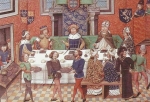
Initially, Christianity considered coffee a devil's drink. One of the first to try it was Pope Vincent III. He initially considered banning its consumption, but he liked it so much that he decided not to ban it, though he warned that it should be consumed sparingly.
There are many books written about cooking. But cooking It wasn't just culinary writers who were interested, recipes Famous poets devoted attention to their search, and writers mentioned all sorts of cooking manuals in their works. They believed they were visited by the culinary muse, along with other muses who embody inspiration, insight, and moments of light.
According to the Bible, God created Adam and Eve, who lived in an idealistic garden where they had everything they wanted. However, historical and archaeological evidence tells a different story. The advanced brains of Paleolithic humans required a more calorie-dense diet.
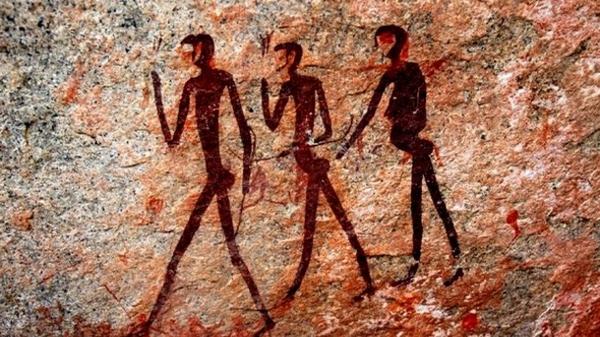
Before the invention of fire, primitive people ate fruits and tree roots and raw meat. Researchers say that fried meat It happened completely by accident - animals that died during fires were more popular with primitive people because they tasted better and were more easily digested than raw animals.
Roasting wasn't initially used only for cooking meat. Culinary history tells us that grains of various cereals were spread on flat stones or in shells, small cavities in rocks, or even animal skulls, and then exposed to fire. However, this culinary art barely developed until the invention of pottery, which occurred during the Neolithic era.
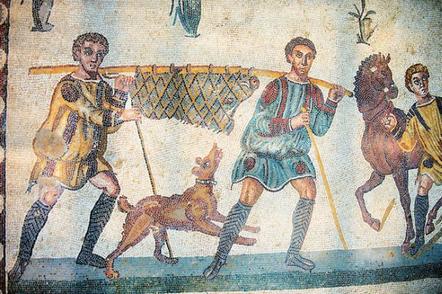
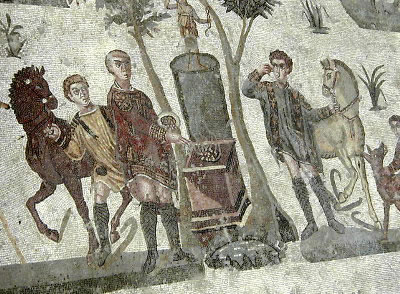
Researchers also discovered that the diet of prehistoric people included a dish later used by Roman soldiers called "polenta." It was somewhat similar to the Romanian mamaliga. This product was made by mixing water with the seeds of wild herbs, which were then crushed to form a smooth paste. The paste was then fried on a flat stone until a golden brown crust formed on the outside. This is how the first bread was created.
Of course, cooking methods improved with the advent of clay pottery, the domestication of wild animals, and the cultivation of edible plants. The very first drink of prehistoric humans was milk, initially given to children to improve their growth and health. However, the raw milk they initially drank wasn't always beneficial. Sometimes it caused various illnesses and even death.
Ancient hunters rarely stayed in one place; they constantly moved from one place to another, so they didn't store water or other liquids. However, for sedentary tribes, living in one place and polluting nearby bodies of water led to various serious diseases. This became possible with the invention of sterilizing liquids through fermentation.
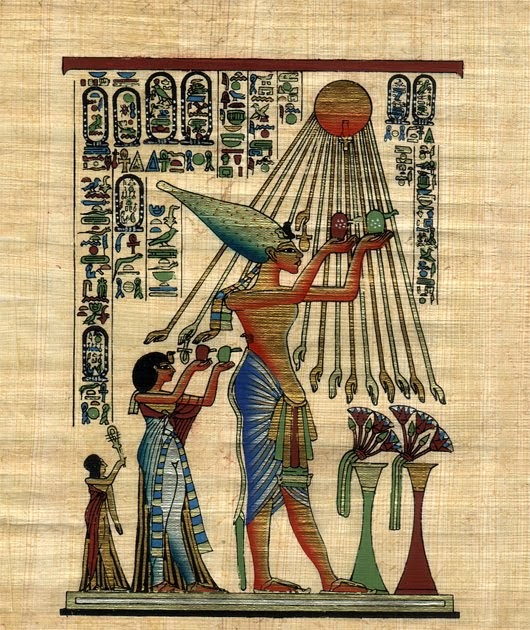
Homemade grape wine appeared around 3000 BC. Whiskey and brandy began to be produced around 800 years ago. The first real beer was produced around 600 years ago.
In addition to fermentation, boiling water began to be used to prevent the growth of various bacteria. It was discovered that boiling water could be used to brew plant leaves and flowers, producing a variety of delicious beverages. Thus, the era of tea began in China during the Tang Dynasty (618-907). Central Asian nomads also brewed tea. tea, and they brought it to Russia. In the 6th century, tea arrived in Japan, but it didn't immediately become popular there. From Japan, tea was brought to Indonesia, after which it appeared in what is now the Netherlands, and only then did it reach other European countries. A few hundred years later, the English took up tea. They would make the drink so popular and actively engage in its trade.
Historical distribution coffee This is also quite interesting. The coffee plant was originally a wild species, native to Ethiopia. The Gallic tribes used coffee beans as food during wartime. To prevent the beans from spoiling, they covered them with a thick layer of animal fat. Coffee beans were noted to have a stimulating effect on both humans and animals. In the year 1000, merchants brought coffee to Arabia, after which it began to be grown on plantations there. Around the same time, the Arabs began roasting coffee beans, and the resulting drink was called "gawa," which translates as "that which drives away sleep."
Turkey was the first country to immediately and widely consume coffee as a beverage. Turks added various spices to coffee, such as cinnamon, pepper, nutmeg, and anise. Gradually, coffee spread throughout the Arab world. Residents of these countries love coffee and guard the secrets of its preparation. At one time, it was considered illegal to export cocoa beans from Muslim countries. Therefore, enterprising Arabs named coffee "baba budan" (from Arabic) and began growing it on plantations in the mountains of Mysore, India, after which they actively traded it.
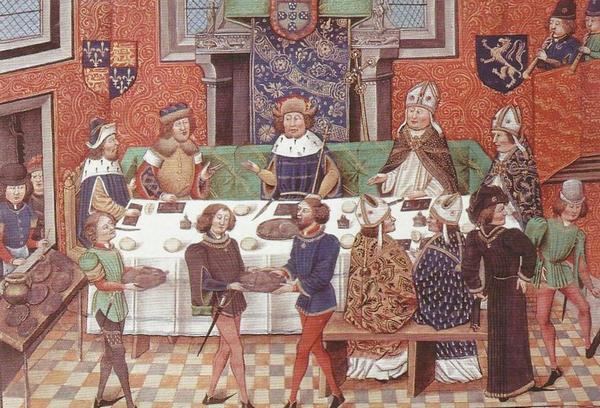
Initially, Christianity considered coffee a devil's drink. One of the first to try it was Pope Vincent III. He initially considered banning its consumption, but he liked it so much that he decided not to ban it, though he warned that it should be consumed sparingly.
There are many books written about cooking. But cooking It wasn't just culinary writers who were interested, recipes Famous poets devoted attention to their search, and writers mentioned all sorts of cooking manuals in their works. They believed they were visited by the culinary muse, along with other muses who embody inspiration, insight, and moments of light.
Author of the article: Natalia Semenova "TopCook"
Votes: 9
Categories:
Related articles